








Comprehensive Summarization:
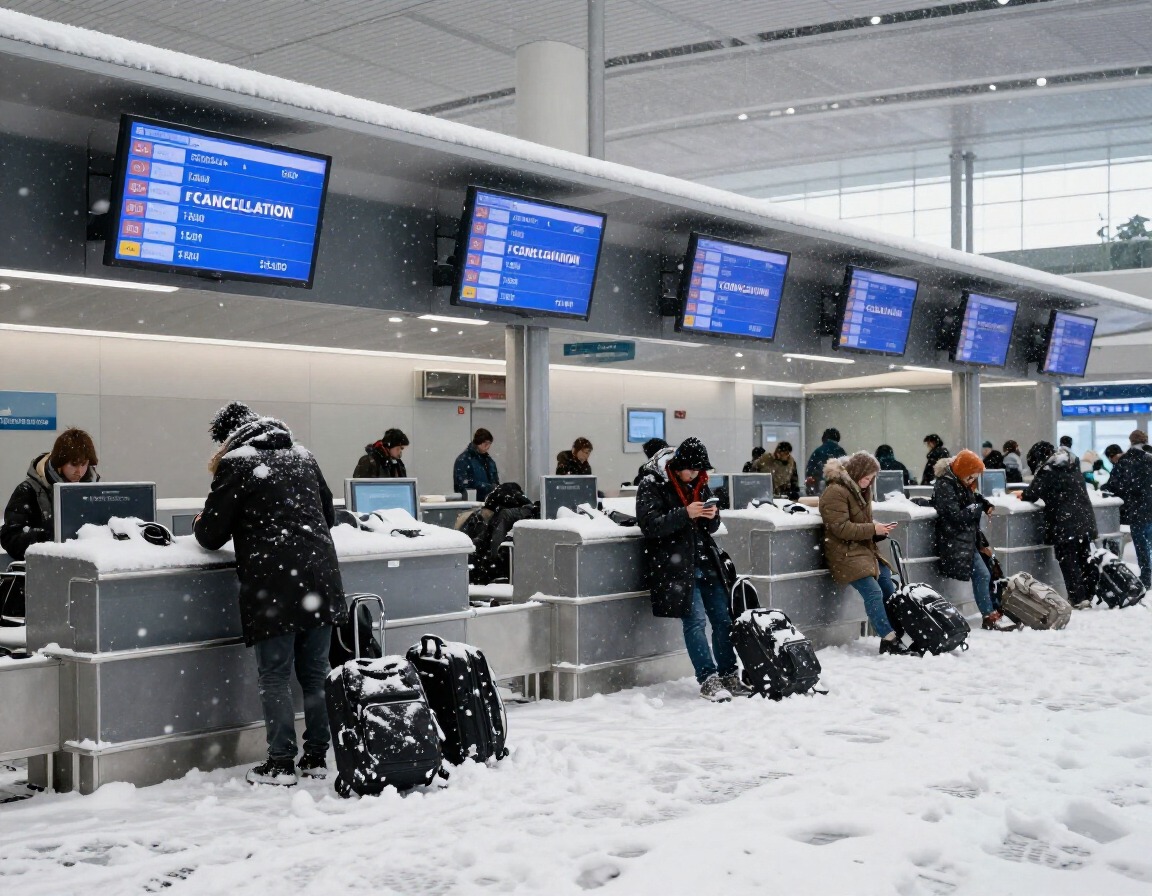
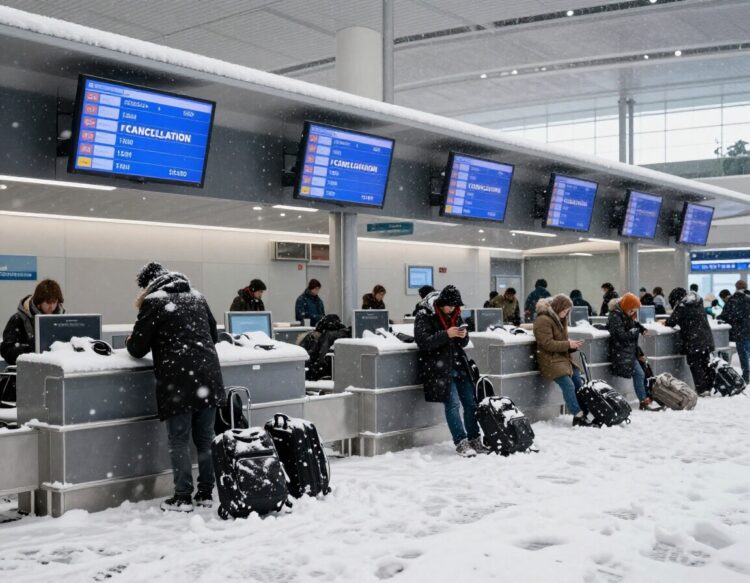
The article reports on a historic blizzard that is set to disrupt flights, hotels, and travel plans across the Northeast, particularly affecting major cities like New York, Boston, and Philadelphia. American Airlines, Delta, JetBlue, and United are preparing for one of the most disruptive storms in decades, impacting millions of travelers. The blizzard poses significant challenges to the travel industry, highlighting the vulnerabilities in travel logistics during extreme weather conditions.
Key Points:
- A historic blizzard is expected to hit the Northeast, including major cities like New York, Boston, and Philadelphia.
- Major airlines such as American Airlines, Delta, JetBlue, and United are bracing for substantial disruptions to their operations.
- The storm is anticipated to affect millions of travelers, potentially causing widespread travel disruptions.
- The article emphasizes the need for the travel industry to adapt to such extreme weather events to minimize disruptions.
Actionable Takeaways:
-
Implement Flexible Cancellation Policies: Airlines should consider offering more flexible cancellation policies to accommodate travelers who may need to change their travel plans due to weather disruptions. This can help mitigate financial losses and improve customer satisfaction.
-
Enhance Real-Time Communication: Travel companies should improve their real-time communication strategies to keep passengers informed about potential delays or cancellations. Utilizing SMS alerts, mobile apps, and social media can ensure travelers receive timely updates, reducing anxiety and improving trust in the airline’s ability to manage disruptions.
-
Invest in Weather-Resilient Infrastructure: The travel industry should invest in weather-resilient infrastructure, such as backup power systems, real-time weather monitoring, and flexible staffing models. These investments can help airlines and hotels better prepare for and respond to extreme weather events, minimizing disruptions and maintaining service quality.
Contextual Understanding:
The blizzard described in the article is a significant weather event that underscores the vulnerabilities of the travel industry to extreme weather conditions. Historically, such storms have caused widespread disruptions, leading to flight cancellations, delays, and increased operational costs. The article highlights the importance of adaptability and preparedness in the face of such challenges. Recent trends indicate a growing emphasis on digital communication and flexible policies as key strategies for managing travel disruptions. Thought leaders in the travel industry are increasingly advocating for the integration of advanced technologies, such as AI-driven predictive analytics and real-time monitoring systems, to enhance operational resilience. These innovations not only help in mitigating the immediate impacts of weather disruptions but also contribute to long-term improvements in service reliability and customer satisfaction.
Handling Different Article Types:
The article in question is a news blurb, providing a concise overview of a significant weather event and its potential impact on the travel industry. News blurbs are typically factual and aim to inform readers quickly about key developments. In handling such articles, it is crucial to focus on the core facts and context provided, ensuring that the summary, key points, and actionable takeaways are directly derived from the article’s content. This approach ensures that the output remains accurate, relevant, and useful for a professional audience.
Read the Complete Article.






