










Sail Through Time: Discover the Timeless Wonders of Upper Egypt Aboard Kenzy Dahabeya
Experience the magic of the Nile aboard Kenzy Dahabeya, a luxury boutique sailing cruise that offers an unforgettable journey between...
Read moreDetails
The travel industry in 2025 is a dynamic and evolving landscape, shaped by shifting consumer preferences, technological advancements, and economic realities. Understanding these key drivers is crucial for businesses aiming to thrive and capture market share. As we look ahead, several dominant trends are set to redefine how people explore the world.
The Rise of Experiential Travel: Consumers are increasingly prioritizing authentic, immersive experiences over traditional sightseeing. This translates to a demand for activities that connect them with local cultures, offer hands-on learning, and create lasting memories. Think beyond the typical tourist attractions and focus on unique workshops, community-based tourism, and adventure activities that offer a genuine sense of place.
Sustainability Takes Center Stage: Environmental consciousness is no longer a niche concern; it’s a mainstream expectation. Travelers are actively seeking out eco-friendly accommodations, responsible tour operators, and destinations committed to conservation. Businesses that can demonstrate a clear commitment to sustainability, from reducing their carbon footprint to supporting local economies, will resonate with a growing segment of the market. This includes promoting low-impact transportation options and encouraging ethical wildlife encounters.
Technology as an Enabler, Not a Replacement: Artificial intelligence (AI) and automation are revolutionizing the travel experience, from personalized recommendations and seamless booking processes to on-the-ground assistance. However, the human touch remains vital. Technology should be leveraged to enhance, not replace, genuine human interaction and service. Chatbots can handle routine inquiries, freeing up staff to focus on creating memorable guest experiences. Virtual and augmented reality (VR/AR) also offer exciting possibilities for pre-trip inspiration and enhanced on-site exploration.
The Quest for Value and Flexibility: While luxury travel continues to attract a significant clientele, a substantial portion of travelers are seeking better value for their money. This doesn’t necessarily mean cheaper options, but rather a greater perceived benefit for the price paid. Flexible booking policies and transparent pricing are also highly valued, especially in the wake of recent global uncertainties. Travelers want the assurance that they can adapt their plans if needed.
Personalization is Paramount: Generic travel packages are losing their appeal. Travelers expect tailor-made itineraries that cater to their individual interests, budgets, and travel styles. Leveraging data analytics to understand customer preferences and deliver highly personalized recommendations and offers will be a key differentiator for success.
Navigating Economic Headwinds: The travel industry must remain adaptable to global economic fluctuations. While pent-up demand remains a significant factor, economic concerns could influence spending patterns. Businesses that offer tiered pricing options, focus on value, and provide clear communication about their offerings will be better positioned to weather any economic storms.
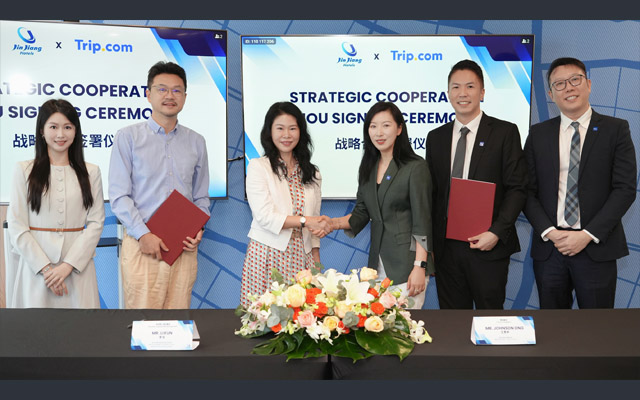
The Future is Collaborative: Partnerships between various players in the travel ecosystem – airlines, hotels, tour operators, and technology providers – will be essential for creating integrated and seamless travel experiences. Cross-promotional activities and shared loyalty programs can foster customer engagement and broaden reach.
Key Points
The provided article does not contain specific revenue numbers, KPI’s, or detailed data points. It focuses on general trends and strategic considerations for the travel industry in 2025. However, the implicit takeaways for travel industry professionals revolve around adapting to evolving consumer demands and leveraging technological advancements while maintaining a focus on customer service and sustainability.
Read the Complete Article.
Experience the magic of the Nile aboard Kenzy Dahabeya, a luxury boutique sailing cruise that offers an unforgettable journey between...
Read moreDetails



