












Comprehensive Summarization:
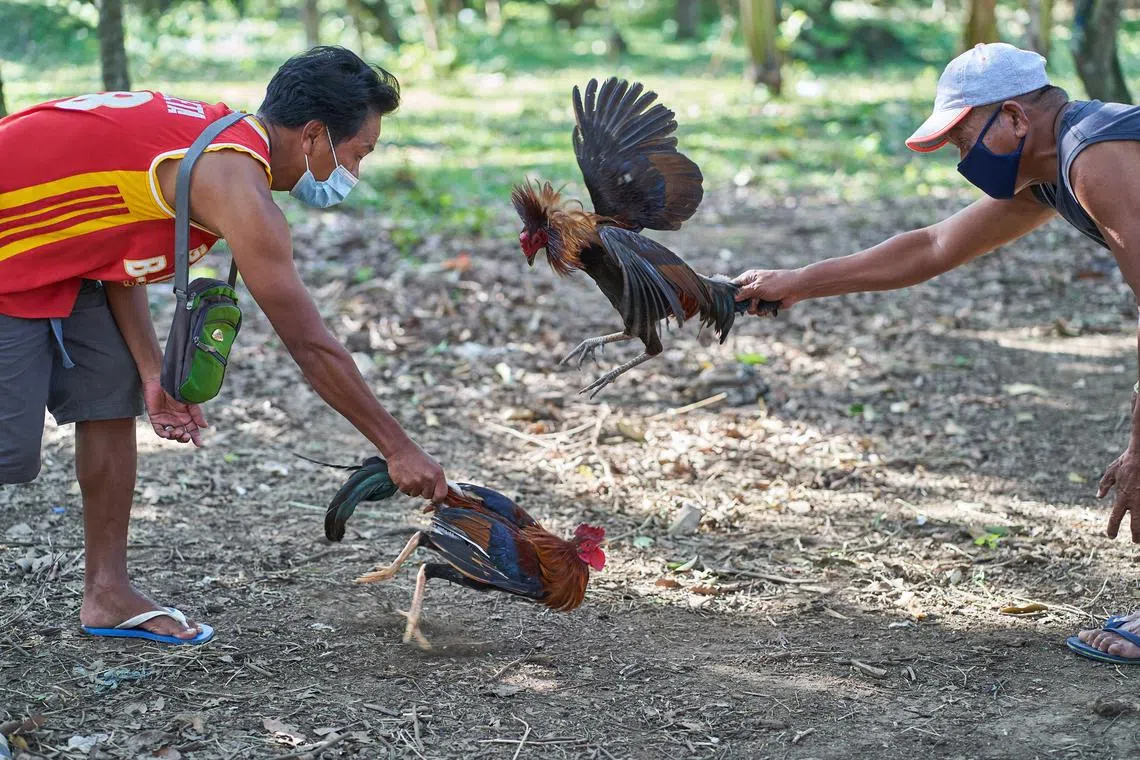
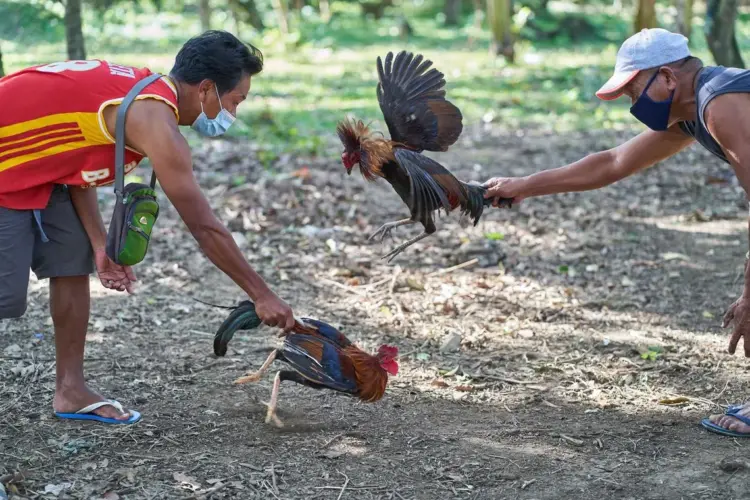
The article reports on a significant development by South Korean airline Korean Air, which banned the transport of roosters on flights from the US to the Philippines on May 2. This decision was made in response to animal rights advocates who were celebrating the ban. The ban comes amid the significant cockfighting industry in the Philippines, where Filipinos wager tens of millions of dollars daily on matches involving roosters armed with metal spurs. The US is identified as a key source of roosters for these fights, according to activists and industry insiders. The article underscores the intersection of animal rights, international trade, and the travel industry, highlighting the impact of such decisions on sectors reliant on specific goods or practices.
Key Points:
- Korean Air has banned the transport of roosters on flights from the US to the Philippines, effective immediately.
- The ban is a response to animal rights advocacy and the significant cockfighting industry in the Philippines.
- Filipinos wager tens of millions of dollars daily on rooster fights, which can last less than a minute.
- The US is a major supplier of roosters for these fights, according to activists and industry estimates.
Actionable Takeaways:
-
Impact on Travel and Trade: The ban on rooster transport could have ripple effects on the travel industry, particularly for airlines and logistics companies involved in the trade of live animals. Airlines may need to reassess their cargo policies and potentially invest in alternative cargo solutions to mitigate potential losses. This move underscores the growing influence of animal rights advocacy on international trade regulations.
-
Regulatory Shifts in the Travel Industry: The decision by Korean Air sets a precedent for other airlines to consider the ethical implications of cargo transport. This could lead to a broader industry shift towards more sustainable and ethically conscious practices, potentially driving innovation in cargo handling and animal transport technologies. Travel startups focusing on eco-friendly logistics may find new opportunities in this evolving landscape.
Contextual Insights:
The ban on rooster transport by Korean Air reflects a growing trend in the travel industry towards ethical considerations in cargo handling. Recent years have seen increased scrutiny on industries that involve animal welfare issues, prompting regulatory changes and consumer demand for more responsible practices. This development aligns with the broader trend of integrating sustainability and animal rights into travel and logistics sectors. Thought leaders in the industry are likely to emphasize the importance of ethical sourcing and cargo handling in future discussions, potentially influencing policy and consumer behavior. The move by Korean Air also highlights the interconnectedness of global supply chains and the need for stakeholders to consider the broader impact of their operations on animal welfare and international trade regulations.
Read the Complete Article.



