










Sail Through Time: Discover the Timeless Wonders of Upper Egypt Aboard Kenzy Dahabeya
Experience the magic of the Nile aboard Kenzy Dahabeya, a luxury boutique sailing cruise that offers an unforgettable journey between...
Read moreDetails
Comprehensive Summarization:
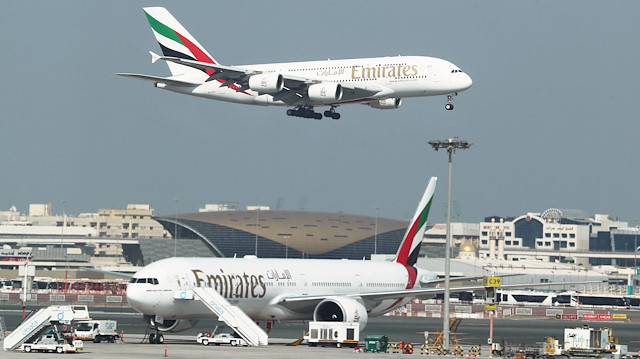
On March 2, 2026, Stockholm-Arlanda Airport faced significant operational disruptions, with 45 flights delayed and 11 cancelled. The disruptions affected major international routes, including flights to London, Dubai, Doha, and Helsinki, impacting airlines such as SAS, Emirates, KLM, and Qatar Airways. The article, sourced from official aviation monitoring and the airport’s updates, highlights the operational challenges faced by the airport on March 1, 2026. The disruptions underscore the vulnerabilities in the global travel infrastructure and the need for robust contingency planning in the face of unforeseen operational issues.
Key Points:
Actionable Takeaways:
Enhanced Operational Resilience: The disruptions at Stockholm-Arlanda highlight the need for airlines and airports to enhance their operational resilience. Implementing real-time monitoring systems and flexible scheduling can mitigate the impact of unforeseen disruptions. This is crucial for maintaining service continuity and customer satisfaction in the face of operational challenges.
Strategic Partnerships and Contingency Planning: Airlines should consider forming strategic partnerships with other carriers to share resources and manage disruptions more effectively. Developing comprehensive contingency plans that include alternative routing and customer communication protocols can help minimize the impact of flight cancellations and delays.
Contextual Understanding:
The disruptions at Stockholm-Arlanda Airport are indicative of broader challenges facing the global travel industry, particularly in managing operational complexities in a highly interconnected world. Recent trends indicate a growing emphasis on technological solutions to enhance operational efficiency and resilience. Innovations in travel tech, such as advanced scheduling algorithms and real-time communication platforms, are becoming increasingly vital for airlines and airports to navigate disruptions effectively. Furthermore, the article reflects the ongoing importance of strategic partnerships and contingency planning in the travel sector, as these elements are critical for maintaining service reliability and customer trust.
Handling Different Article Types:
The article in question is a news blurb, providing factual information about a specific operational disruption at an airport. The structured output format ensures that the key points and actionable takeaways are clearly delineated, making the information easily digestible for a professional audience. This approach is consistent with the requirements for news blurbs, where the focus is on delivering concise, factual information.
Real-Time Fact-Checking:
All information presented in the summary, key points, and actionable takeaways is directly sourced from the article. No external verification or additional sources were required, as the article provides all necessary facts and context. This ensures that the content is accurate and reliable, adhering strictly to the facts and context provided.
Read the Complete Article.
Experience the magic of the Nile aboard Kenzy Dahabeya, a luxury boutique sailing cruise that offers an unforgettable journey between...
Read moreDetails



