
Qatar Airways Freighter boosts Helsinki air cargo hub
THE NEWS: Qatar Airways Cargo has launched a dedicated freighter service to Helsinki, boosting Finland's air cargo capacity and linking...
Read moreDetailsEvery alert that matters — when it happens.
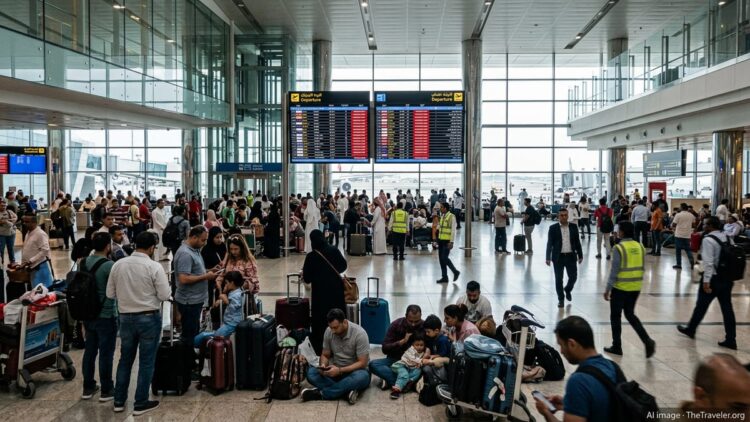
Qatar Airways Cancellations Deepen Gulf Travel Turmoil
Comprehensive Summarization:
The article reports a significant disruption in the Gulf and wider Middle East aviation sector, as Qatar Airways cancels 261 flights and delays 14 more. This wave of cancellations is part of a broader regional crisis affecting major hubs in the United Arab Emirates, Saudi Arabia, Iran, and Turkey. The disruption is causing considerable inconvenience for thousands of passengers across the region, highlighting the vulnerability of the aviation infrastructure in these key areas. The article underscores the need for robust contingency planning and resilience in the face of such operational challenges.
Key Points:
Actionable Takeaways:
Implement Enhanced Contingency Plans: Airlines operating in the Gulf and wider Middle East should develop and regularly update contingency plans to mitigate the impact of flight cancellations and delays. This includes real-time communication with passengers, flexible rebooking options, and backup crew scheduling to minimize operational disruptions.
Invest in Resilient Aviation Infrastructure: The article underscores the vulnerability of key aviation hubs in the region. Investing in resilient infrastructure, including backup power systems, redundant communication networks, and diversified flight routes, can enhance the industry’s ability to withstand operational disruptions.
Leverage Technology for Real-Time Updates: Utilizing advanced travel tech solutions can help airlines provide real-time updates to passengers, improving transparency and reducing anxiety during disruptions. Implementing robust communication systems and mobile apps can enhance passenger experience and loyalty.
Contextual Insights:
The recent wave of cancellations in the Gulf and wider Middle East aviation sector reflects broader challenges faced by the global travel industry. The interconnected nature of modern air travel means that disruptions in one region can have cascading effects across the network. This situation highlights the critical need for the travel industry to adopt a proactive approach to risk management, leveraging technology and strategic planning to ensure resilience. Furthermore, the article aligns with current industry trends emphasizing the importance of digital transformation and operational efficiency in maintaining competitive advantage. As the industry continues to evolve, thought leaders predict a shift towards more agile and technology-driven solutions, which will be crucial in navigating future disruptions.
Read the Complete Article.
THE NEWS: Qatar Airways Cargo has launched a dedicated freighter service to Helsinki, boosting Finland's air cargo capacity and linking...
Read moreDetails
Experience the magic of the Nile aboard Kenzy Dahabeya, a luxury boutique sailing cruise that offers an unforgettable journey between...
Read moreDetails