







Sail Through Time: Discover the Timeless Wonders of Upper Egypt Aboard Kenzy Dahabeya
Experience the magic of the Nile aboard Kenzy Dahabeya, a luxury boutique sailing cruise that offers an unforgettable journey between...
Read moreDetails
Comprehensive Summarization:
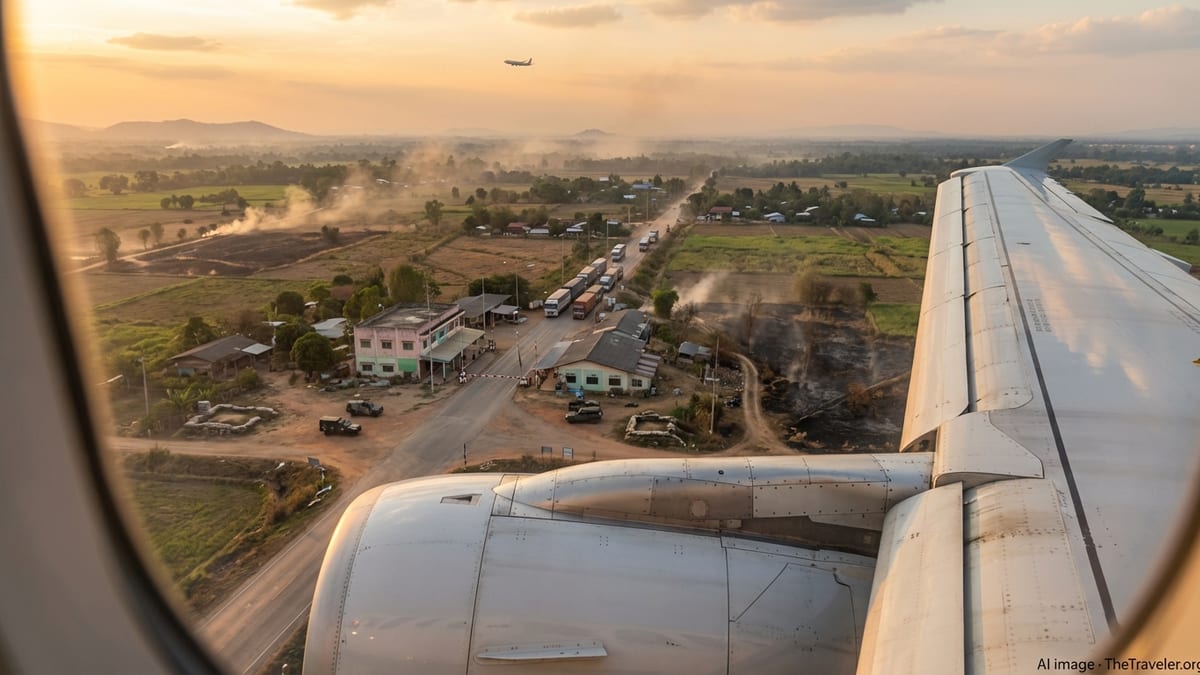
The article reports on significant disruptions to travel routes in Thailand, affecting hundreds of travelers who were left scrambling for alternative routes after six flights operated by Jetstar Airways, Thai VietJet Air, Bangkok Airways, and other carriers were cancelled. These cancellations occurred on busy Thailand routes linking major cities such as Perth, Melbourne, Koh Samui, Nakhon Si Thammarat, and additional destinations. The operational data and published coverage highlight the impact of these cancellations on travelers’ plans and the broader travel industry’s response to such disruptions.
Key Points:
Actionable Takeaways:
Implement Flexible Booking Options: Travel agencies and airlines should offer flexible booking options, including free cancellations or rescheduling, to mitigate the impact of flight disruptions on travelers. This approach aligns with current industry trends towards customer-centric policies and can enhance customer satisfaction during unforeseen events.
Enhance Communication Protocols: Airlines and travel service providers should improve communication protocols to promptly inform passengers about cancellations and provide clear guidance on alternative routes or accommodations. Effective communication can reduce traveler stress and improve overall travel experience, reflecting best practices in customer service within the travel industry.
Contextual Insights:
The recent cancellations underscore the vulnerabilities in the travel industry, particularly in regions with high tourist traffic like Thailand. This incident highlights the importance of robust contingency planning and flexible travel policies to manage unexpected disruptions. As the travel industry continues to evolve, integrating advanced technologies for real-time tracking and automated rebooking systems could mitigate such disruptions. Furthermore, the emphasis on customer communication and flexibility aligns with emerging trends in customer-centric travel services, suggesting a shift towards more resilient and adaptable travel solutions. Thought leaders in the travel sector emphasize the need for continuous innovation in travel tech to enhance resilience and improve the travel experience amidst uncertainties.
Read the Complete Article.
Experience the magic of the Nile aboard Kenzy Dahabeya, a luxury boutique sailing cruise that offers an unforgettable journey between...
Read moreDetails



