
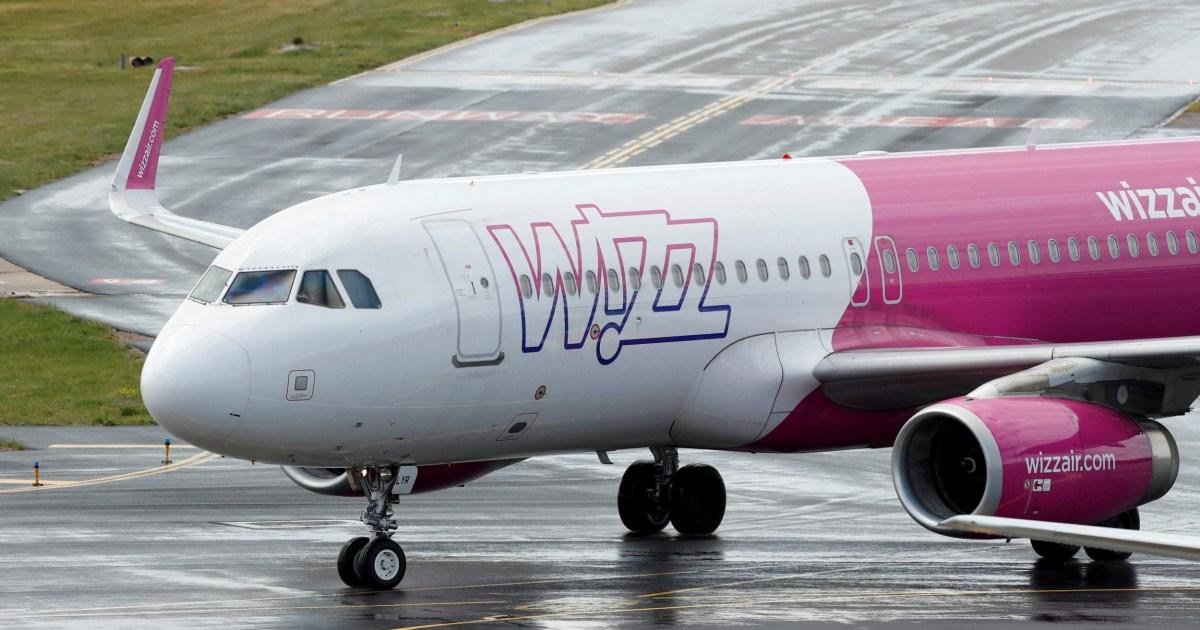
Wizz Air imposes £55 fines for carrying common flight essential
THE NEWS: Wizz Air’s hand‑luggage policy, already noted for “less than generous” allowances and “strict” enforcement, also features a controversial rule...
Read moreDetailsEvery alert that matters — when it happens.

The airline has faced several issues over the past couple of years that have thrown its operations into disarray.
Wizz Air, the ultra-low-cost carrier, is embarking on a significant two-year strategic overhaul aimed at revitalizing its operations and positioning the airline for sustained growth. CEO József Váradi has outlined a comprehensive plan to navigate recent setbacks and capitalize on emerging opportunities within the dynamic aviation landscape.
The airline is focusing on several key areas to enhance its performance and customer experience. A primary objective is to optimize its fleet operations, ensuring greater efficiency and reliability. This includes a commitment to modernizing its aircraft and streamlining maintenance procedures to minimize disruptions.
Customer satisfaction is also at the forefront of Váradi’s revitalization strategy. Wizz Air is investing in improving its digital platforms and customer service channels, aiming to provide a seamless and user-friendly experience from booking to arrival. The airline recognizes the growing importance of digital engagement and is committed to leveraging technology to meet evolving passenger expectations.
Furthermore, Wizz Air is strategically reviewing its route network. While maintaining its strong presence in Central and Eastern Europe, the airline is also exploring new market opportunities and strengthening its offerings in existing popular destinations. This agile approach to network planning is crucial for adapting to shifting travel demand and competitive pressures.
The CEO’s plan addresses the current challenges facing the aviation industry, including rising operational costs and the lingering effects of global economic uncertainties. By focusing on cost management and operational excellence, Wizz Air aims to maintain its competitive edge as an ultra-low-cost provider.
Váradi’s vision for the next two years is one of resilience and proactive adaptation. The airline’s commitment to innovation, customer centricity, and strategic network development positions it to emerge stronger from recent challenges and continue its trajectory as a significant player in the European aviation market.
Key Points
Read the Complete Article.
THE NEWS: Wizz Air’s hand‑luggage policy, already noted for “less than generous” allowances and “strict” enforcement, also features a controversial rule...
Read moreDetails

Experience the magic of the Nile aboard Kenzy Dahabeya, a luxury boutique sailing cruise that offers an unforgettable journey between...
Read moreDetails






