
Wizz Air bans neck pillows, ending popular travel hack
THE NEWS: The popular low‑cost airline announced that neck pillows can no longer be carried as a personal item and...
Read moreDetails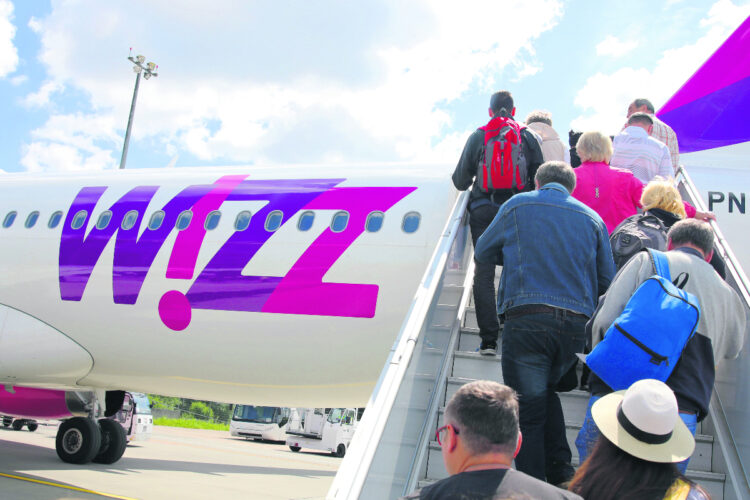
the UK government prepares the public for possible disruption
Comprehensive Summarization:
Wizz Air, a budget carrier, has reassured passengers that its summer schedule will proceed as planned despite concerns over potential flight disruptions due to the Middle East conflict. The airline claims its operations remain “fully stable and unaffected,” despite warnings from ministers about possible jet fuel shortages impacting travel during the peak holiday season. The article highlights the airline’s efforts to maintain service continuity amidst geopolitical tensions and supply chain challenges, emphasizing the importance of operational stability in the travel industry.
Key Points:
Actionable Takeaways:
Contextual Insights:
The article reflects the current challenges faced by the travel industry, particularly in the context of geopolitical tensions and supply chain vulnerabilities. Wizz Air’s reassurance of its summer schedule, despite warnings of potential disruptions, underscores the importance of operational resilience in maintaining passenger confidence. The emphasis on jet fuel shortages as a potential disruptor highlights the need for the industry to focus on supply chain diversification and contingency planning. As travel trends continue to evolve, with increasing emphasis on safety and reliability, companies must adapt by leveraging technology and strategic planning to mitigate risks and ensure smooth operations.
Read the Complete Article.
THE NEWS: The popular low‑cost airline announced that neck pillows can no longer be carried as a personal item and...
Read moreDetails
Experience the magic of the Nile aboard Kenzy Dahabeya, a luxury boutique sailing cruise that offers an unforgettable journey between...
Read moreDetails