











Sail Through Time: Discover the Timeless Wonders of Upper Egypt Aboard Kenzy Dahabeya
Experience the magic of the Nile aboard Kenzy Dahabeya, a luxury boutique sailing cruise that offers an unforgettable journey between...
Read moreDetails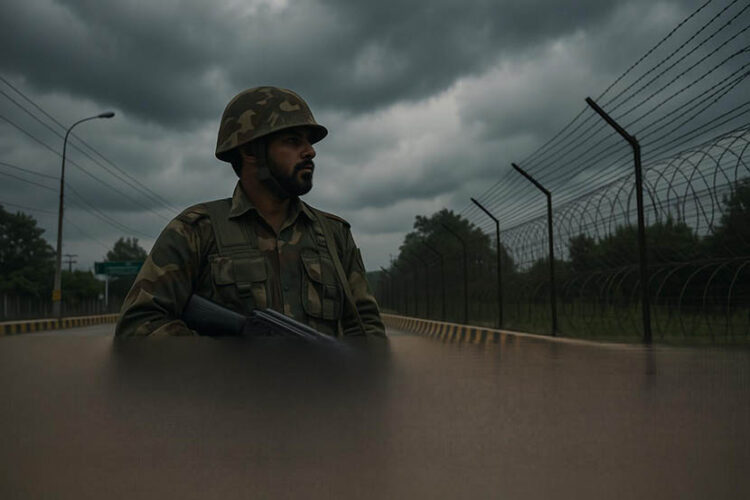
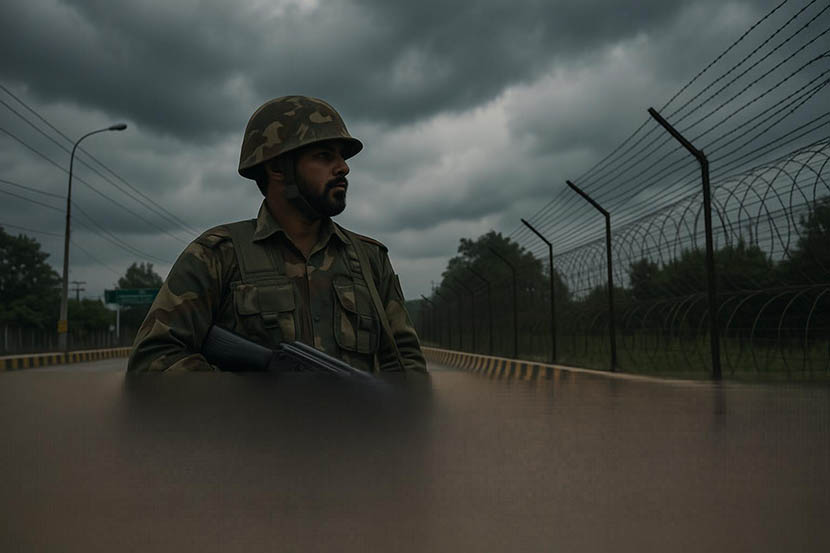
India Prepares for War with Pakistan, But What will Happen to Travel and Tourism Industry, Any Trave...
Article Summary:
India is preparing for a potential conflict with Pakistan, prompting travel and tourism operators across the country to issue travel alerts to 244 districts and all 28 Indian states. This situation is expected to significantly impact the travel and tourism industry, as every major operator, including hotels and transport providers, is grappling with the uncertainty and potential disruptions. The article highlights the immediate and long-term effects on the industry, emphasizing the need for adaptability and strategic planning.
Key Points:
Actionable Takeaways:
Enhance Risk Management Strategies: Travel and tourism operators should develop and implement comprehensive risk management strategies to mitigate the impact of geopolitical tensions. This includes real-time monitoring of geopolitical developments, flexible cancellation policies, and enhanced safety protocols for travelers.
Invest in Digital Solutions: Leveraging digital technologies, such as AI-driven travel advisories and real-time communication platforms, can enhance operational efficiency and customer engagement. These tools can provide travelers with up-to-date information and support, ensuring a smoother travel experience despite disruptions.
Contextual Insights:
The article reflects the heightened sensitivity of the travel industry to geopolitical events, particularly in regions with ongoing tensions. The issuance of travel alerts across 244 districts and 28 states underscores the gravity of the situation and the industry’s proactive approach to risk mitigation. This context is crucial for understanding the broader implications for the travel and tourism sector, as it highlights the need for adaptability and strategic foresight.
In the current landscape, where geopolitical tensions can rapidly impact travel dynamics, the travel industry must prioritize agility and innovation. The integration of advanced technologies and collaborative approaches will be key to navigating future uncertainties. Thought leaders emphasize the importance of continuous monitoring, flexible business models, and customer-centric solutions to sustain growth and resilience in the face of external challenges.
Read the Complete Article.
Experience the magic of the Nile aboard Kenzy Dahabeya, a luxury boutique sailing cruise that offers an unforgettable journey between...
Read moreDetails



