







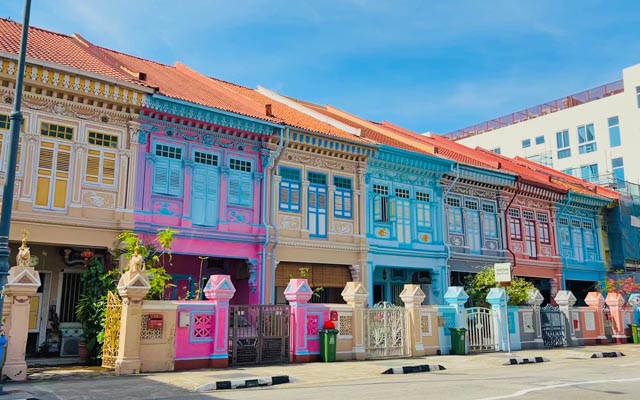



Sail Through Time: Discover the Timeless Wonders of Upper Egypt Aboard Kenzy Dahabeya
Experience the magic of the Nile aboard Kenzy Dahabeya, a luxury boutique sailing cruise that offers an unforgettable journey between...
Read moreDetails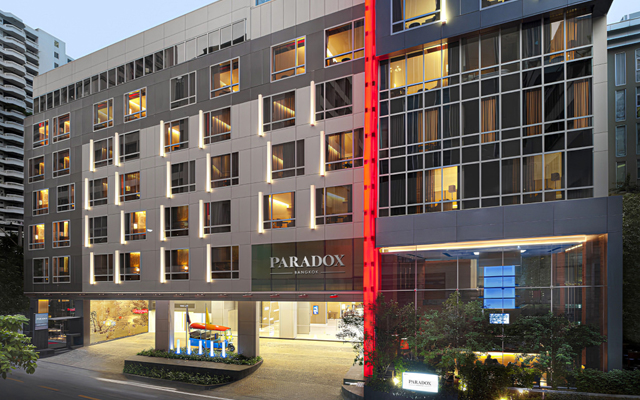
The former Four Points by Sheraton Bangkok, Sukhumvit 15, has been rebranded as Paradox Bangkok Sukhumvit; photo by Paradox Hotel Group
Comprehensive Summarization:
Paradox Hotels & Resorts has rebranded the former Four Points by Sheraton Bangkok, Sukhumvit 15, to Paradox Bangkok Sukhumvit, effective January 1, 2026. This strategic move marks a significant expansion for the independent hospitality group, which currently manages over 2,200 rooms across nine global destinations in five countries. Owned by TA Global, the rebranded hotel serves as the group’s urban flagship in Thailand, complementing its existing resort presence in Phuket. The decision to rebrand rather than launch a new-build project was a tactical move to quickly establish a strong market presence in one of South-east Asia’s most competitive gateway markets. CEO Joo Kim Tiah emphasized that this approach allowed Paradox to swiftly establish a robust foothold in the market.
Key Points:
Actionable Takeaways:
Strategic Rebranding as Market Entry: The decision to rebrand an existing asset rather than launching a new-build project demonstrates a strategic approach to market entry. This tactic allows established brands to leverage existing brand equity and customer loyalty, reducing the time and capital required to enter a competitive market. For travel startups or established brands looking to expand into new markets, this approach could be a cost-effective and efficient strategy to gain a foothold quickly.
Leveraging Existing Brand Equity: By rebranding an existing property, Paradox Bangkok Sukhumvit can capitalize on the brand’s reputation and customer base. This leverages the trust and familiarity that travelers already have with the Paradox brand, potentially leading to higher occupancy rates and guest satisfaction. For travel startups, building a strong brand from the outset can be challenging; however, acquiring or rebranding an existing property with a proven track record can provide an immediate advantage in the market.
Contextual Insights:
The rebranding of Paradox Bangkok Sukhumvit reflects broader trends in the travel industry towards strategic expansions and brand consolidation. In South-east Asia, Bangkok remains a critical gateway market due to its status as a major international hub and a popular tourist destination. The move by Paradox Hotels & Resorts to rebrand an existing property aligns with the industry’s trend of leveraging established brands to quickly penetrate competitive markets. This strategy is particularly relevant in regions where new-build projects face challenges such as lengthy construction timelines, regulatory hurdles, and high capital investment.
Moreover, the emphasis on urban flagship properties highlights the importance of location and urban integration in the travel sector. As cities continue to grow and evolve, hotels that are strategically located in urban centers can offer unique experiences and conveniences to travelers. This trend is supported by recent insights from travel thought leaders who emphasize the growing importance of urban destinations and the role of hotels as key players in city development and tourism promotion.
In conclusion, Paradox Hotels & Resorts’ rebranding of the Four Points by Sheraton Bangkok, Sukhumvit 15, to Paradox Bangkok Sukhumvit is a strategic move that underscores the importance of leveraging existing brand equity and targeting competitive gateway markets. For the travel industry, this approach offers a practical and efficient strategy for market entry and expansion, particularly in dynamic and competitive regions like South-east Asia.
Read the Complete Article.
Experience the magic of the Nile aboard Kenzy Dahabeya, a luxury boutique sailing cruise that offers an unforgettable journey between...
Read moreDetails



