





Sail Through Time: Discover the Timeless Wonders of Upper Egypt Aboard Kenzy Dahabeya
Experience the magic of the Nile aboard Kenzy Dahabeya, a luxury boutique sailing cruise that offers an unforgettable journey between...
Read moreDetails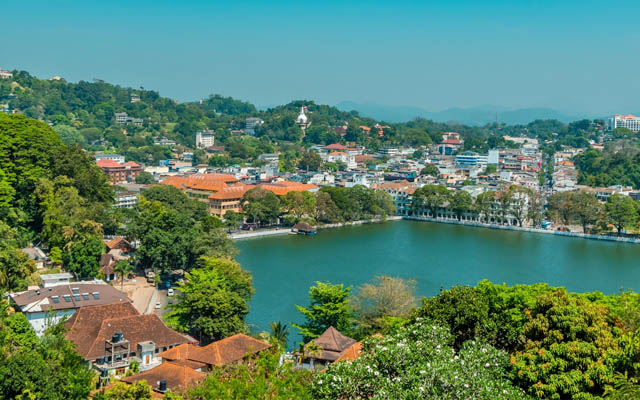
Cyclone Ditwah has disrupted tourism in several popular hill country destinations, including Nuwara Eliya and Kandy, pictured
Article Summary:
The Sri Lanka government declared a state of emergency on November 29 following the impact of cyclone Ditwah, which swept through the country. The disaster has caused significant damage to public infrastructure and homes, disrupting tourism in popular hill country destinations such as Nuwara Eliya and Kandy. Local news reported that many foreign independent travelers (FITs) were stranded and required assistance from rescue services operated by the armed forces, police, and emergency rescue teams. The disruption in mobile communications further hampered rescue efforts. A travel company executive expressed difficulty in contacting a group of tourists organized by his company. The natural disaster has left incoming tourists anxious for updates, with many relying on social media for information to decide on their next steps.
Key Points:
Actionable Takeaways:
Contextual Insights:
The recent cyclone Ditwah disaster in Sri Lanka underscores the vulnerability of the travel industry to natural disasters and the importance of robust disaster preparedness. The reliance on social media for updates highlights a growing trend in the travel industry towards leveraging digital platforms for real-time communication. This trend is likely to continue, with travel companies increasingly using social media and other digital tools to keep tourists informed and manage expectations during crises. Additionally, the challenges faced by travel companies in maintaining communication during the disaster highlight the need for investment in resilient infrastructure and communication systems. As the travel industry continues to evolve, embracing technological advancements and fostering resilience will be key to navigating future challenges.
Read the Complete Article.
Experience the magic of the Nile aboard Kenzy Dahabeya, a luxury boutique sailing cruise that offers an unforgettable journey between...
Read moreDetails



