






Sail Through Time: Discover the Timeless Wonders of Upper Egypt Aboard Kenzy Dahabeya
Experience the magic of the Nile aboard Kenzy Dahabeya, a luxury boutique sailing cruise that offers an unforgettable journey between...
Read moreDetails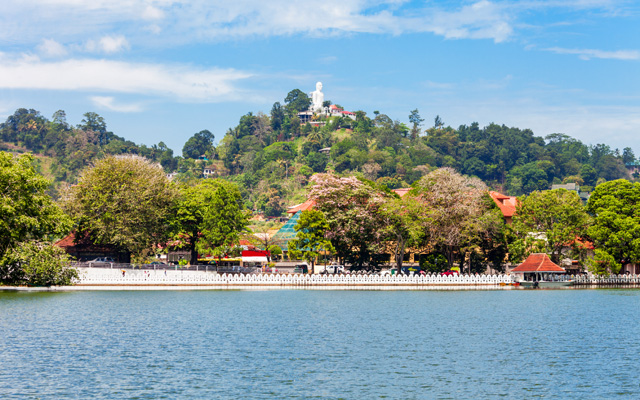
Heavy rain and strong winds in Sri Lanka have disrupted tourism in several popular hill country destinations, including Kandy and Nuwara Eliya; Kandy Lake, pictured
Article Summary:
The article reports on the significant disruption caused by severe weather conditions, including winds and incessant rain, in Sri Lanka. These weather events have led to widespread disruption in tourism activities, particularly in popular scenic spots such as Kandy and Nuwara Eliya. The Sri Lanka Association of Inbound Tour Operators, as reported by Nalin Jayasundera, chairman of the association, highlights that movement has been particularly affected in the hill country and some parts of the North-Central region, which is currently dealing with floods. The most affected areas include Kandy, a popular hill country resort, and Nuwara Eliya, a tourist destination. A hotel manager in Kandy reported that flooded rooms have forced at least 35 guests to be housed in the bar area, indicating the severity of the situation. The article also mentions that the country is experiencing its worst-ever natural disaster, underscoring the gravity of the situation.
Key Points:
Actionable Takeaways:
Contextual Insights:
The article reflects the current challenges faced by the travel industry in the wake of severe weather events, which are becoming more frequent and intense due to climate change. The disruption in tourism activities in popular destinations like Kandy and Nuwara Eliya highlights the vulnerability of the tourism sector to natural disasters. This situation underscores the need for the industry to adopt innovative solutions, such as enhanced weather monitoring systems and flexible booking policies, to mitigate risks and ensure resilience. Furthermore, the focus on disaster recovery infrastructure aligns with the growing trend of integrating sustainability and risk management in travel operations. As the travel industry continues to evolve, these insights can guide operators in adopting proactive measures to safeguard against future disruptions, thereby enhancing the overall resilience and sustainability of tourism in the region.
Read the Complete Article.
Experience the magic of the Nile aboard Kenzy Dahabeya, a luxury boutique sailing cruise that offers an unforgettable journey between...
Read moreDetails



