












Sail Through Time: Discover the Timeless Wonders of Upper Egypt Aboard Kenzy Dahabeya
Experience the magic of the Nile aboard Kenzy Dahabeya, a luxury boutique sailing cruise that offers an unforgettable journey between...
Read moreDetails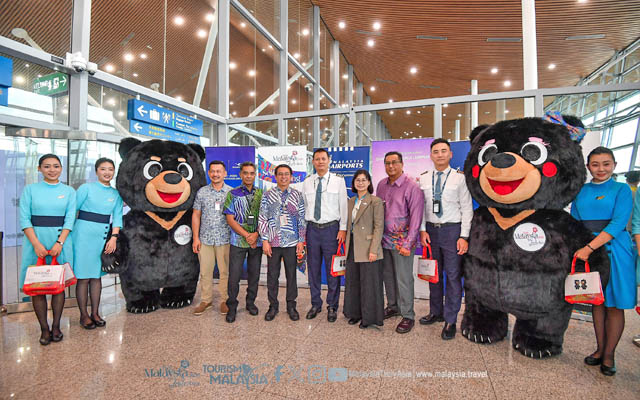
Xiamen Airlines touched down in Kuala Lumpur on its first flight from Quanzhou.
Article Summary:
Xiamen Airlines has launched its inaugural direct flight service from Quanzhou to Kuala Lumpur, operating four times a week with a Boeing 737. The route accommodates 169 passengers per flight, with 8 in business class and 161 in economy. This service is expected to strengthen air connectivity between Malaysia and southern China, supporting tourism, trade, and cultural exchange. It aligns with the upcoming Visit Malaysia 2026 campaign, offering Chinese travelers convenient access to Malaysia’s urban destinations, islands, culinary offerings, and heritage towns.
Key Points:
Actionable Takeaways:
Contextual Insights:
The launch of Xiamen Airlines’ Quanzhou-Kuala Lumpur service is a significant development in the context of the growing air connectivity between China and Malaysia. In recent years, the travel industry has witnessed a surge in demand for direct flights between major Chinese cities and destinations in Southeast Asia, driven by factors such as increasing Chinese domestic tourism, economic ties, and the desire for convenient travel options. This route not only caters to the growing demand for air travel between these regions but also aligns with broader industry trends towards enhancing connectivity and accessibility.
Moreover, the service’s focus on business class seats reflects a strategic move to attract business travelers, a segment that is crucial for airlines aiming to maximize revenue. By offering a dedicated business class experience, Xiamen Airlines is positioning itself as a preferred choice for corporate travelers, potentially leading to increased loyalty and repeat bookings. This strategic positioning is particularly relevant in the current travel landscape, where airlines are constantly seeking ways to differentiate themselves and meet the evolving needs of their clientele.
In terms of broader industry trends, the launch of this route underscores the importance of strategic partnerships and collaborations within the travel ecosystem. As airlines expand their networks and offer more direct flights, they are not only enhancing connectivity but also fostering economic growth and cultural exchange. This trend is likely to continue, with more airlines exploring new routes and partnerships to meet the demands of modern travelers. Furthermore, the alignment of this service with the Visit Malaysia 2026 campaign highlights the role of strategic marketing and promotional campaigns in driving tourism growth. By leveraging such campaigns, airlines can effectively promote their routes and destinations, attracting more travelers and boosting the overall travel industry.
Read the Complete Article.
Experience the magic of the Nile aboard Kenzy Dahabeya, a luxury boutique sailing cruise that offers an unforgettable journey between...
Read moreDetails



