











Comprehensive Summarization:
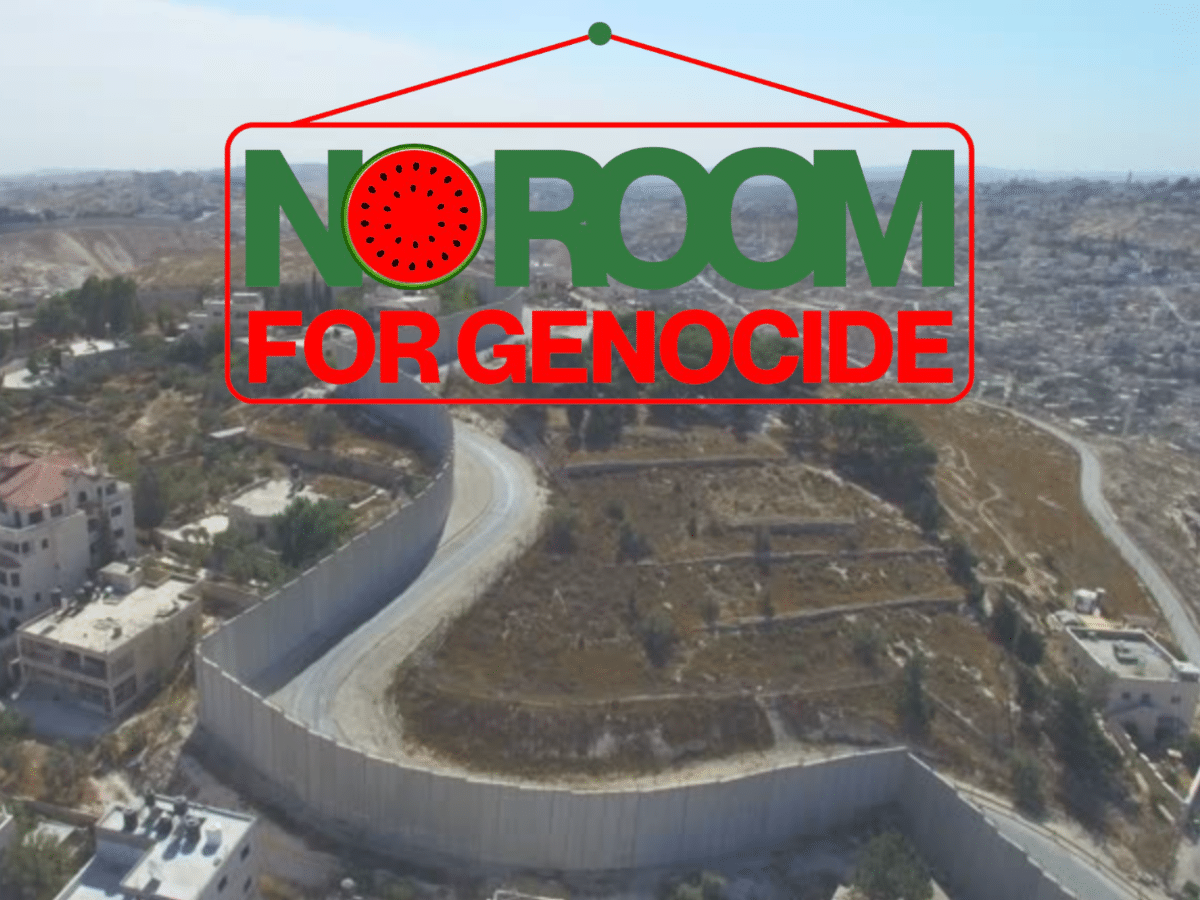
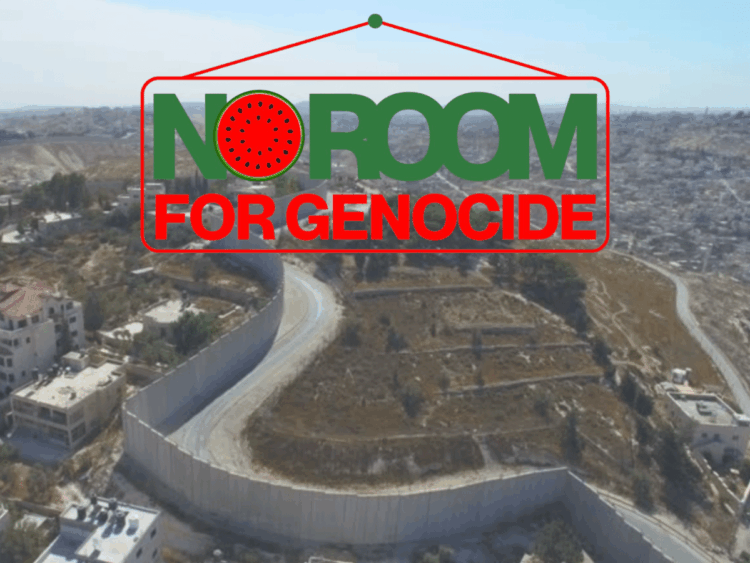
The article introduces two new digital tools launched by the BDS movement to combat the tourism industry’s perceived complicity in Israeli apartheid and war crimes against Palestinians. The campaign, “No Room for Genocide,” launched in 2025, has introduced a website for accommodation hosts to become “Sanctuaries of Peace” and an Action Network petition for tourists to pledge against using Booking.com and Airbnb, which the BDS movement claims profit from Israel’s alleged crimes. The BDS movement seeks increased industry involvement in pressuring governments to comply with international law by ending all forms of complicity in these alleged crimes.
Key Points:
- BDS movement has launched a “No Room for Genocide” campaign in 2025 to stop tourism industry complicity in Israeli apartheid and war crimes against Palestinians.
- The campaign includes a website for accommodation hosts to become “Sanctuaries of Peace” and an Action Network petition for tourists to stop using Booking.com and Airbnb.
- The BDS movement aims to push governments to fulfill their obligations under international law by ending all forms of complicity in Israel’s alleged crimes.
- The article highlights the latest travel trends and insights from thought leaders, though specific trends are not detailed in the provided text.
Actionable Takeaways:
-
Implement “Sanctuary of Peace” Certification: Accommodation providers in the travel industry can adopt the BDS movement’s “Sanctuary of Peace” certification for their B&Bs, hostels, or hotels. This certification could enhance their brand image among conscientious travelers and potentially attract a niche market of tourists seeking to support ethical tourism practices. This move aligns with the growing trend of sustainable and socially responsible travel, which is increasingly prioritized by modern travelers.
-
Engage Tourists in Petition Campaigns: Travel companies and tourism boards can collaborate with the BDS movement to promote the Action Network petition among tourists. Encouraging tourists to pledge against using certain travel platforms like Booking.com and Airbnb can create a ripple effect, influencing consumer behavior and potentially pressuring these platforms to reassess their business practices. This action is relevant in the context of modern consumer activism, where social media and online petitions play a significant role in shaping corporate policies and practices.
Contextual Insights:
The BDS movement’s initiative to combat tourism complicity in Israeli apartheid and war crimes reflects a broader trend in the travel industry towards ethical and socially responsible practices. Recent events, such as heightened global awareness of human rights issues and the increasing influence of social media in shaping consumer behavior, have propelled such movements into the spotlight. The introduction of digital tools like the “Sanctuary of Peace” certification and the Action Network petition aligns with the current emphasis on transparency and accountability in the travel sector. As the industry continues to evolve, stakeholders must remain vigilant and proactive in addressing ethical concerns, leveraging technology and consumer advocacy to drive positive change. This context underscores the importance of integrating ethical considerations into travel business models, potentially setting new standards for the industry.
Read the Complete Article.






