







Sail Through Time: Discover the Timeless Wonders of Upper Egypt Aboard Kenzy Dahabeya
Experience the magic of the Nile aboard Kenzy Dahabeya, a luxury boutique sailing cruise that offers an unforgettable journey between...
Read moreDetails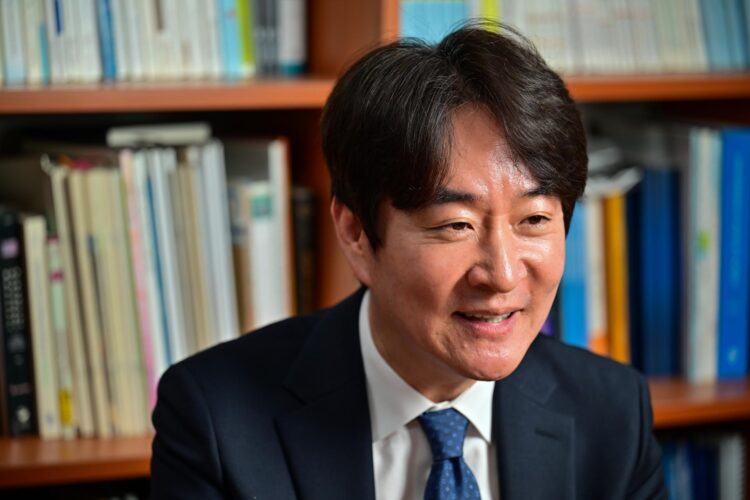
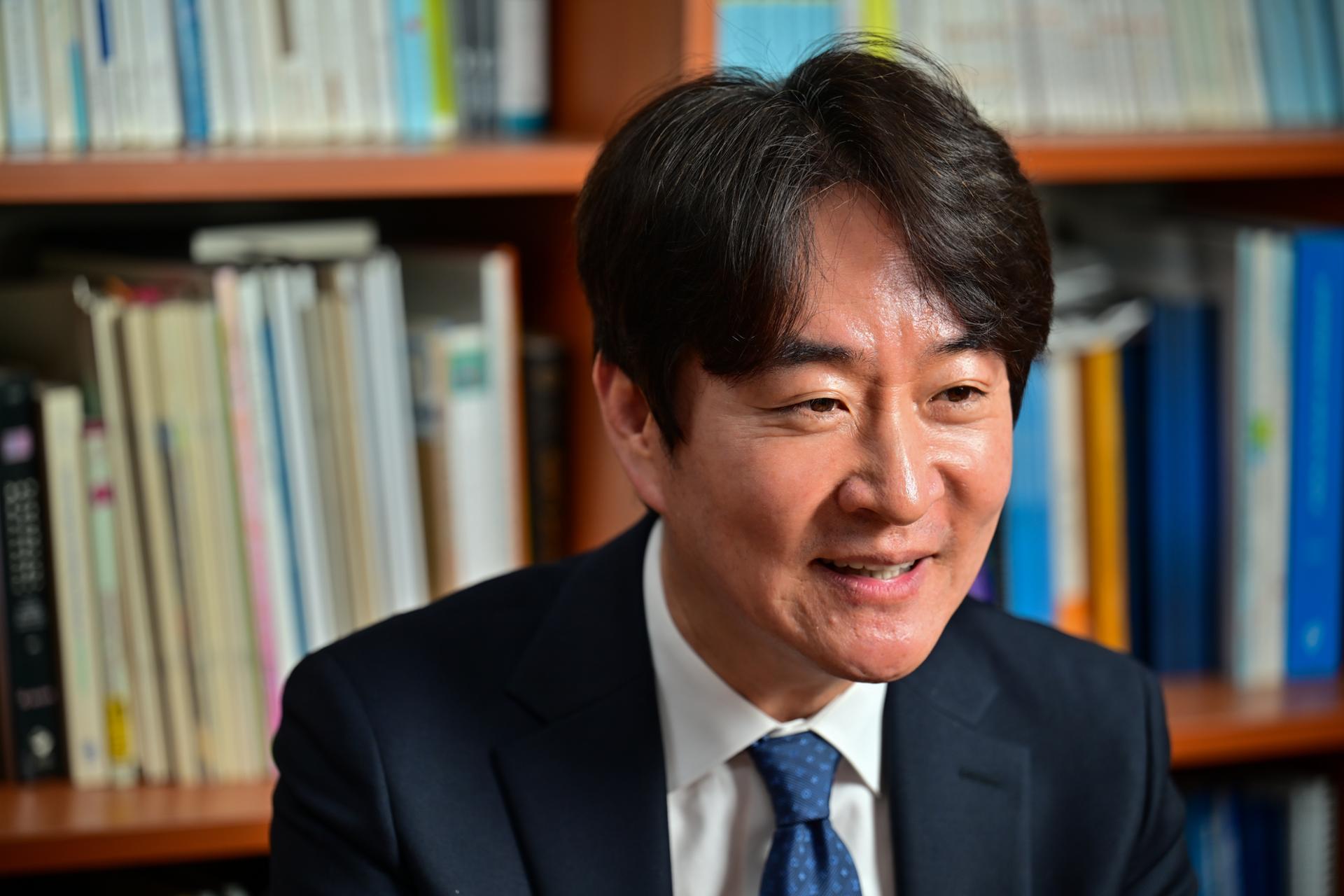
Tourism Sciences Society of Korea President Seo Won-seok speaks during an interview with The Korea Times in his office at Kyung Hee University's College of Hotel and Tourism Management in Seoul, April 2. Korea Times photo by Choi Won-suk
Article Summary:
Korea is rapidly becoming a prominent travel destination, ranking 14th out of 119 countries in the World Economic Forum’s 2023 Travel and Tourism Development Index. This rise is largely attributed to the global surge in Korean culture, with the country projected to welcome around 18.73 million foreign visitors in 2023, surpassing its pre-pandemic record of 17.5 million set in 2019. According to Yanolja Research, an independent institute specializing in travel and tourism, this growth is expected to continue. However, to sustain this growth, Korea must focus on strengthening regional tourism and addressing the infrastructure imbalance between Seoul and the outer provinces, as emphasized by Professor Seo Won-seok of Kyung Hee University’s College of Hotel and Tourism Management.
Key Points:
Actionable Takeaways:
Balanced Regional Tourism Development: To sustain growth, Korea must prioritize balanced regional tourism development, focusing on infrastructure improvements outside of Seoul. This approach will help distribute tourism revenue more evenly across the country and reduce overcrowding in major cities.
Leverage Korean Cultural Influence: The global rise of Korean culture presents a unique opportunity for tourism growth. Travel agencies and local governments should capitalize on this trend by promoting cultural experiences and attractions, thereby attracting more international visitors.
Contextual Insights:
The article reflects the current trend of cultural influence driving travel demand, a phenomenon increasingly observed in the global travel industry. As Korean pop culture continues to gain international traction, it serves as a catalyst for tourism growth, as seen in Korea’s rising rankings in global travel indices. This trend underscores the importance of cultural branding in travel marketing strategies. Furthermore, the emphasis on balanced regional development aligns with broader industry trends towards sustainable and equitable tourism growth. By focusing on infrastructure improvements in underdeveloped regions, Korea can ensure that tourism benefits are distributed more evenly, contributing to national economic growth and reducing regional disparities. This strategic focus on balanced development also resonates with the growing emphasis on sustainable tourism practices, which aim to minimize environmental impact while maximizing economic and social benefits for host communities.
Read the Complete Article.
Experience the magic of the Nile aboard Kenzy Dahabeya, a luxury boutique sailing cruise that offers an unforgettable journey between...
Read moreDetails



