









Sail Through Time: Discover the Timeless Wonders of Upper Egypt Aboard Kenzy Dahabeya
Experience the magic of the Nile aboard Kenzy Dahabeya, a luxury boutique sailing cruise that offers an unforgettable journey between...
Read moreDetails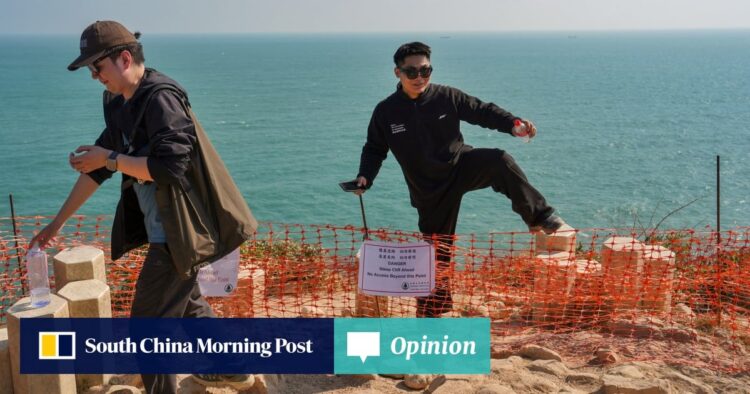
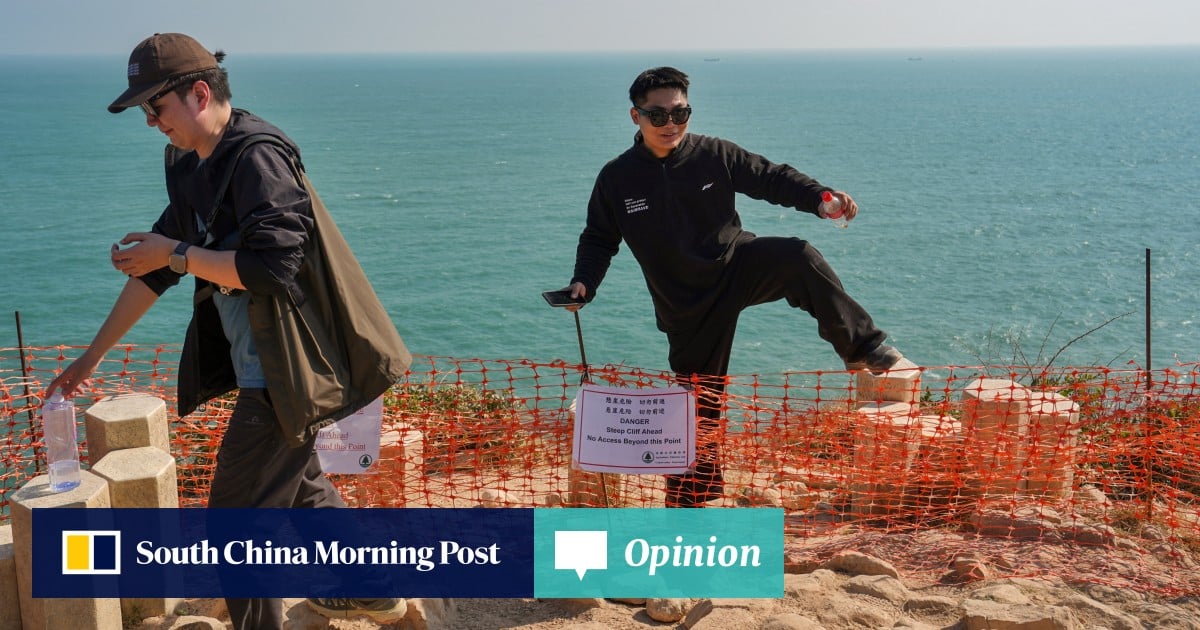
Opinion | It’s not ecotourism if it risks damaging Hong Kong’s natural assets
Comprehensive Summarization:
The article discusses the evolving nature of Hong Kong’s tourism industry, which has traditionally been centered around shopping, dining, and urban experiences. However, this model is losing momentum as overnight visitor spending has decreased significantly from HK$193 billion (US$24.6 billion) in 2015 to HK$128 billion last year. The shift in traveler behavior, with a greater emphasis on sightseeing, experiences, and a connection to nature, culture, and place, presents a new opportunity for Hong Kong. The country parks, coastlines, and rural landscapes surrounding the city are becoming increasingly central to its tourism competitiveness. While ecotourism is emerging as a popular solution, promising a model where economic development and conservation reinforce each other, many current ecotourism initiatives are not delivering ecological outcomes. The article highlights the need for a more sustainable and impactful approach to ecotourism in Hong Kong.
Key Points:
Actionable Takeaways:
Shift Focus to Nature-Based Experiences: Travel operators and destinations in Hong Kong should prioritize developing and promoting nature-based experiences to align with the changing preferences of travelers. This shift can help revitalize tourism spending and capitalize on the growing interest in ecotourism. (Relevance: Directly addresses the changing traveler behavior and the potential for increased tourism revenue through nature-based activities.)
Invest in Sustainable Ecotourism Initiatives: There is a clear need for Hong Kong to invest in ecotourism initiatives that genuinely contribute to ecological outcomes. This could involve partnerships between tourism stakeholders, conservation organizations, and local communities to ensure that tourism activities are sustainable and beneficial for both the environment and local economies. (Relevance: Highlights the importance of aligning tourism development with conservation goals to ensure long-term viability and positive impact.)
Leverage Technology for Enhanced Travel Experiences: The article underscores the importance of nature and culture in modern travel. Travel technology companies can play a crucial role by developing platforms and tools that enhance travelers’ connections to nature and local cultures. This could include apps that provide immersive experiences, virtual reality tours of natural landscapes, or platforms that facilitate cultural exchanges. (Relevance: Aligns with the trend of travelers seeking deeper connections to their destinations, offering opportunities for innovation in travel tech.)
Contextual Insights:
The article reflects the broader trend in the travel industry towards experiential tourism, where travelers are increasingly seeking meaningful connections with the places they visit. This shift is driven by a desire for authenticity and a deeper understanding of local cultures and environments. Hong Kong, with its unique blend of urban sophistication and natural beauty, is uniquely positioned to capitalize on this trend. The emergence of ecotourism as a viable solution highlights the industry’s growing emphasis on sustainability and responsible travel practices. As Hong Kong navigates the challenges of declining visitor spending, the focus on nature-based experiences and sustainable tourism practices presents a strategic opportunity to revitalize the tourism sector. Furthermore, the integration of travel technology can enhance these experiences, making them more accessible and appealing to a global audience. By embracing these trends, Hong Kong can position itself as a leader in sustainable and experiential tourism, setting a benchmark for other destinations to follow.
Read the Complete Article.
Experience the magic of the Nile aboard Kenzy Dahabeya, a luxury boutique sailing cruise that offers an unforgettable journey between...
Read moreDetails



