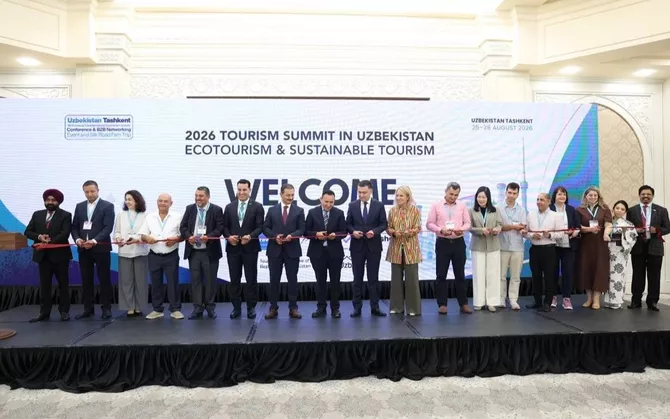
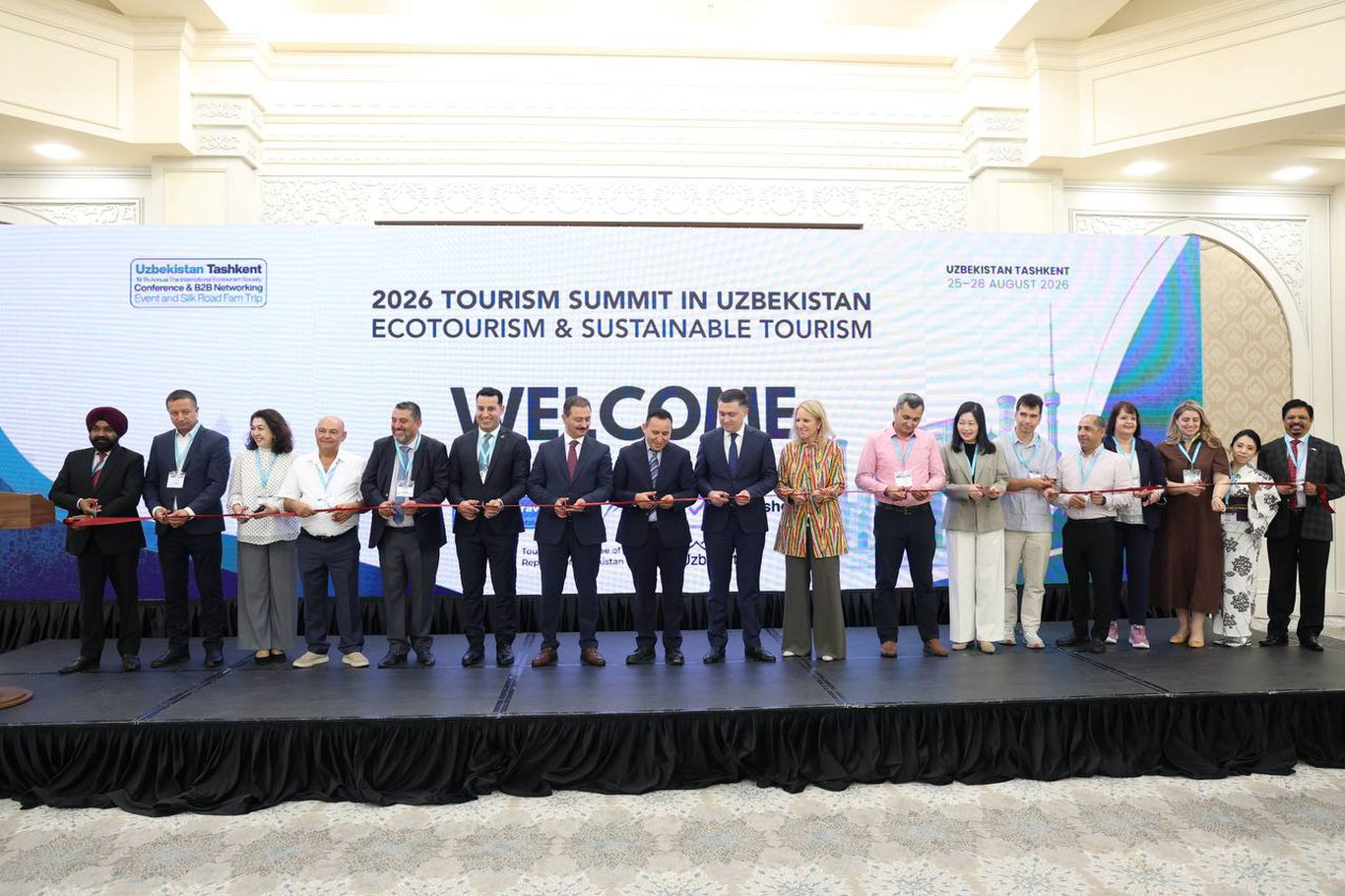
Uzbekistan Hosts First International Ecotourism Summit in History
THE NEWS: Uzbekistan hosted its first international summit on ecotourism and sustainable tourism, organized by the Uzbekistan Tourism Committee, the...
Read moreDetailsEvery alert that matters — when it happens.

Comprehensive Summarization:
El Salvador has become the latest country to join a growing list of destinations, including Italy, France, Croatia, Thailand, Spain, and Portugal, in implementing stricter and more sustainable tourism regulations. The primary objectives of these regulations are to curb overcrowding, reduce disruptions, and enhance the overall visitor experience across popular destinations. This move reflects a broader trend in the travel industry towards sustainable tourism practices, aiming to balance tourism growth with environmental conservation and visitor satisfaction. The article also touches on the latest travel trends and insights from thought leaders, highlighting the increasing importance of sustainable practices in the sector.
Key Points:
Actionable Takeaways:
Adopt Sustainable Tourism Practices: Travel businesses should consider implementing stricter regulations or policies to manage tourist flow and reduce environmental impact. This could involve limiting visitor numbers during peak seasons, promoting eco-friendly travel options, and investing in sustainable infrastructure.
Invest in Travel Tech Solutions: The article highlights the importance of travel technology in managing tourism regulations and enhancing visitor experiences. Businesses should invest in innovative travel tech solutions, such as smart booking systems, AI-driven customer service, and sustainable travel platforms.
Focus on Visitor Experience: Enhancing the overall visitor experience should be a priority for tourism businesses. This can be achieved by improving infrastructure, offering high-quality services, and ensuring seamless travel experiences.
Contextual Understanding:
The article reflects the current state of the travel industry, where sustainability and visitor experience are becoming paramount. The implementation of stricter tourism regulations in El Salvador is part of a larger global movement towards sustainable tourism, driven by concerns over environmental conservation and the desire to enhance visitor experiences. This trend is supported by recent insights from thought leaders in the industry, who emphasize the importance of balancing tourism growth with environmental stewardship.
The integration of travel technology and fintech innovations further underscores the industry’s shift towards digital solutions. As travel startups and established businesses adopt these technologies, they can improve operational efficiency, enhance customer engagement, and contribute to sustainable tourism practices. The article also highlights the role of fintech in facilitating sustainable travel, such as through eco-friendly payment options and carbon offsetting solutions.
Handling Different Article Types:
The article in question is a news blurb, providing factual information about El Salvador’s adoption of stricter tourism regulations. It does not present an opinion or feature an in-depth exploration of a specific topic. Therefore, the analysis and insights provided are based solely on the factual content presented, ensuring accuracy and relevance to the professional audience.
Real-Time Fact-Checking:
All information presented in the summary, key points, and actionable takeaways is directly sourced from the original article. No external verification or additional sources were required, as the article provides comprehensive and accurate information on the topic. This adherence to real-time fact-checking ensures the integrity and reliability of the generated content.
Read the Complete Article.
THE NEWS: Uzbekistan hosted its first international summit on ecotourism and sustainable tourism, organized by the Uzbekistan Tourism Committee, the...
Read moreDetails
Experience the magic of the Nile aboard Kenzy Dahabeya, a luxury boutique sailing cruise that offers an unforgettable journey between...
Read moreDetails