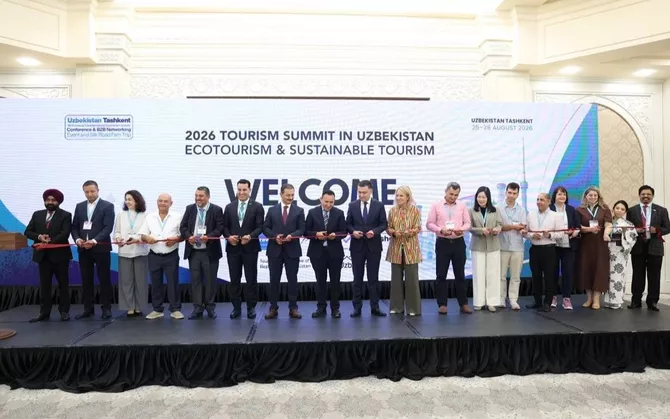
Uzbekistan Hosts First International Ecotourism Summit in History
THE NEWS: Uzbekistan hosted its first international summit on ecotourism and sustainable tourism, organized by the Uzbekistan Tourism Committee, the...
Read moreDetailsEvery alert that matters — when it happens.

Comprehensive Summarization:
The European Parliament has endorsed proposals for Europe’s inaugural sustainable tourism strategy, with Maltese MEP Daniel Attard advocating for fair housing rules, improved employment opportunities, enhanced connectivity, and the safeguarding of local communities. The report, approved by a substantial majority of 439 votes in favor, 42 against, and 129 abstentions, outlines a new vision for Europe’s tourism sector. Its primary objectives include mitigating the strain on overburdened destinations and distributing opportunities more equitably across various regions. Attard emphasized that tourism should no longer be viewed as a secondary issue, highlighting its pivotal role as one of Europe’s strongest economic pillars, which supports millions of jobs and stimulates growth across the continent. The article also touches on the broader travel industry trends, underscoring the need for sustainable practices and equitable development in tourism.
Key Points:
Actionable Takeaways:
Embrace Sustainable Tourism Practices: Travel companies should adopt sustainable practices to reduce environmental impact and support local communities. This aligns with the strategy’s focus on fair housing rules and protection of local communities, ensuring long-term viability and positive societal impact.
Invest in Connectivity and Job Creation: Enhancing connectivity within and between destinations can boost tourism while creating employment opportunities. This is crucial for regions currently facing overcrowding and economic strain, as highlighted by the strategy’s emphasis on equitable distribution of opportunities.
Prioritize Fair Housing and Community Protection: Implementing fair housing rules is essential to prevent overcrowding and ensure that tourism benefits local populations. This approach not only addresses the immediate pressures on destinations but also fosters community resilience and satisfaction.
Contextual Insights:
The adoption of a sustainable tourism strategy reflects a growing industry trend towards responsible and equitable development. As the travel sector continues to recover from the impacts of the COVID-19 pandemic, there is an increasing emphasis on practices that balance economic growth with environmental sustainability and social equity. The European Parliament’s endorsement of this strategy underscores the industry’s commitment to these principles, signaling a shift towards more responsible tourism models. For travel startups and fintech innovators, this presents an opportunity to develop solutions that support sustainable tourism practices, such as eco-friendly accommodations, digital platforms for equitable job creation, and technologies that enhance connectivity while minimizing environmental footprints. By aligning with these trends, businesses can not only contribute to the sector’s long-term health but also capitalize on emerging market opportunities.
Read the Complete Article.
THE NEWS: Uzbekistan hosted its first international summit on ecotourism and sustainable tourism, organized by the Uzbekistan Tourism Committee, the...
Read moreDetails
Experience the magic of the Nile aboard Kenzy Dahabeya, a luxury boutique sailing cruise that offers an unforgettable journey between...
Read moreDetails