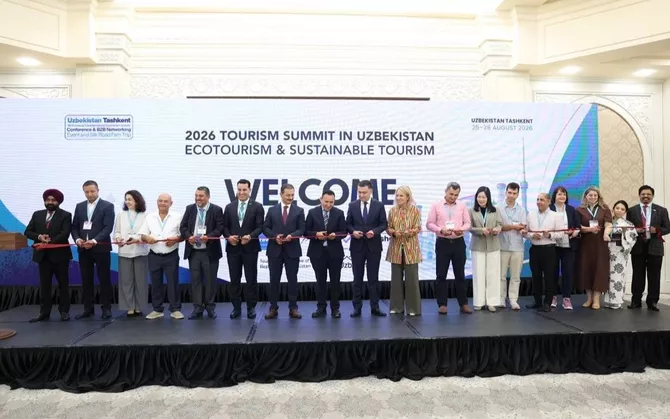
Uzbekistan Hosts First International Ecotourism Summit in History
THE NEWS: Uzbekistan hosted its first international summit on ecotourism and sustainable tourism, organized by the Uzbekistan Tourism Committee, the...
Read moreDetailsEvery alert that matters — when it happens.

Comprehensive Summarization:
The article highlights a unique tourism initiative in Sointula, a coastal community on Vancouver Island, Canada. With funding from Destination BC’s Visitor Services Experience Enhancement Grant, Sointula has launched a bike rental and wayfinding initiative aimed at enhancing visitor experiences. The project includes free bikes named after local whales, custom-built bike racks, and comprehensive wayfinding signage throughout the community. These efforts are designed to provide visitors with a deep, immersive experience of the islands, emphasizing the community’s unique identity and natural attractions. The project underscores a commitment to preserving the local environment and culture while promoting sustainable tourism practices.
Key Points:
Actionable Takeaways:
Enhanced Visitor Experience through Sustainable Tourism: The bike rental and wayfinding initiative in Sointula demonstrates a successful approach to enhancing visitor experiences through sustainable tourism practices. By providing free bikes and detailed wayfinding signage, the community encourages eco-friendly travel while promoting local attractions. This model can be replicated in other remote destinations to attract eco-conscious travelers and reduce the carbon footprint of tourism.
Leveraging Local Culture and Natural Attractions: The initiative’s focus on naming bikes after local whales and featuring custom-built bike racks crafted by a local welder not only supports local businesses but also deepens the visitor’s connection to the community. This approach highlights the importance of integrating local culture and natural attractions into tourism offerings, creating a more authentic and memorable experience for travelers. Such strategies can be adopted by other destinations to differentiate their offerings and attract niche markets.
Importance of Community Engagement in Tourism Development: The coordinated effort across spring and summer 2024–2025 to implement the bike rental and wayfinding initiative in Sointula underscores the value of community engagement in tourism development. By involving local stakeholders, such as a local welder for bike rack construction, the project ensures that the initiative aligns with the community’s values and needs. This approach fosters a sense of ownership and pride among locals, potentially leading to long-term sustainability and growth in the tourism sector.
Contextual Understanding:
The article reflects current trends in the travel industry towards sustainable and community-centric tourism. The emphasis on eco-friendly transportation, such as bike rentals, aligns with the growing demand for environmentally responsible travel options. Additionally, the integration of local culture and craftsmanship into tourism infrastructure highlights a broader shift towards authentic and immersive travel experiences. These trends are supported by thought leaders in the travel industry who advocate for sustainable practices and community involvement in tourism development. As the industry continues to evolve, destinations that prioritize these elements are likely to attract a growing segment of travelers seeking meaningful and responsible travel experiences.
Handling Different Article Types:
The article provided is a news brief, offering factual information about a specific tourism initiative in Sointula. The structured output format below reflects this type of content:
markdown
Comprehensive Summarization:
Sointula, a coastal community on Vancouver Island, has launched a bike rental and wayfinding initiative funded by Destination BC’s Visitor Services Experience Enhancement Grant. The project includes free bikes named after local whales, custom-built bike racks, and comprehensive wayfinding signage throughout the community. The initiative aims to enhance visitor experiences by providing an immersive, eco-friendly exploration of the islands, emphasizing the community’s unique identity and natural attractions.
Key Points:
Actionable Takeaways:
Contextual Insights:
The initiative aligns with current industry trends towards sustainable and community-centric tourism. As travelers increasingly seek authentic and environmentally responsible experiences, destinations that prioritize these elements are likely to attract a growing segment of eco-conscious tourists. This approach not only enhances visitor satisfaction but also supports local economies and preserves cultural and natural heritage.
Read the Complete Article.
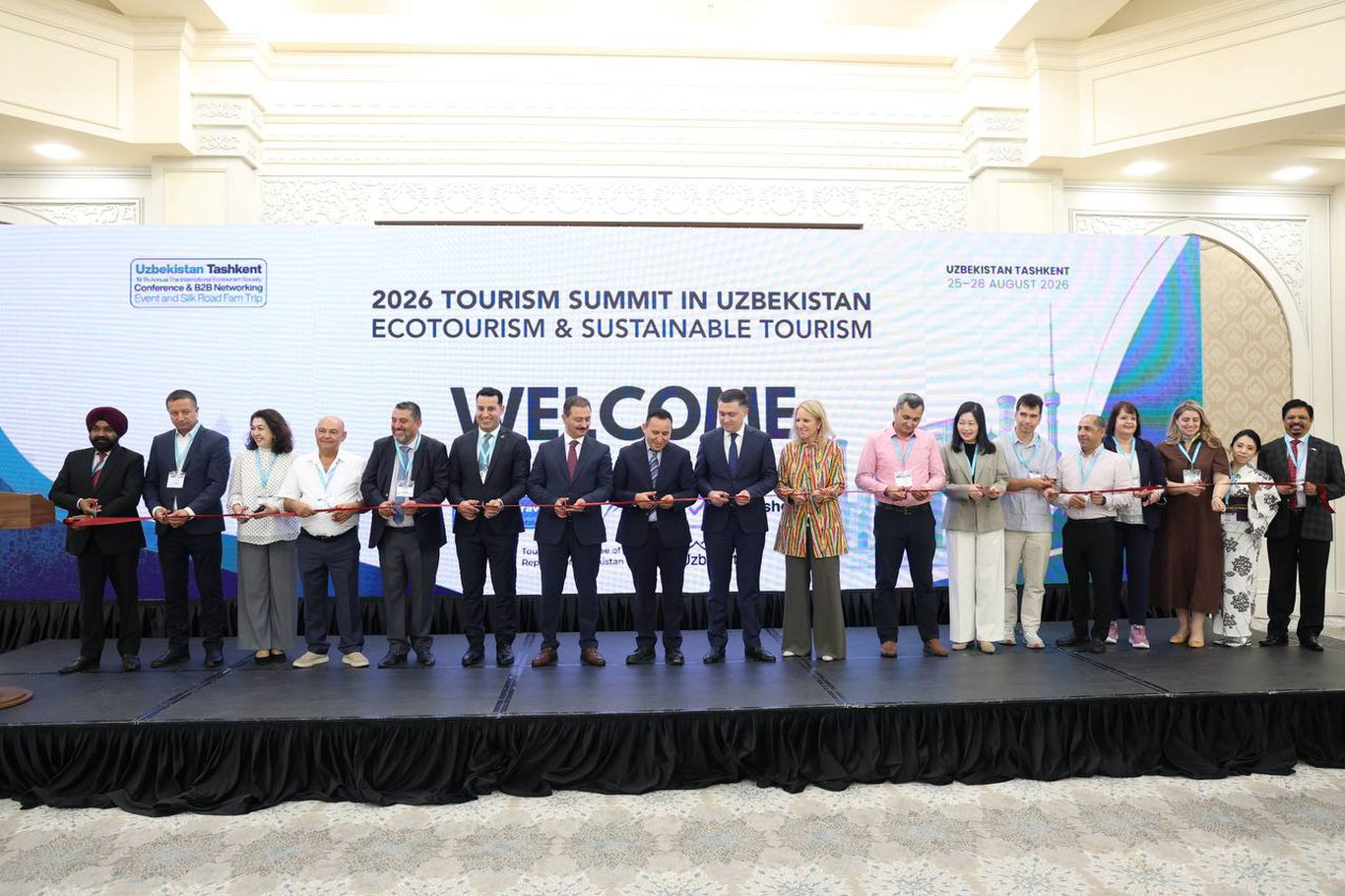
THE NEWS: Uzbekistan hosted its first international summit on ecotourism and sustainable tourism, organized by the Uzbekistan Tourism Committee, the...
Read moreDetails
Experience the magic of the Nile aboard Kenzy Dahabeya, a luxury boutique sailing cruise that offers an unforgettable journey between...
Read moreDetails