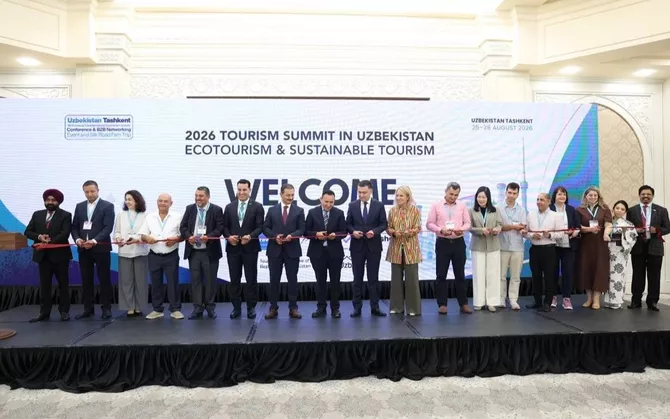
Uzbekistan Hosts First International Ecotourism Summit in History
THE NEWS: Uzbekistan hosted its first international summit on ecotourism and sustainable tourism, organized by the Uzbekistan Tourism Committee, the...
Read moreDetailsEvery alert that matters — when it happens.
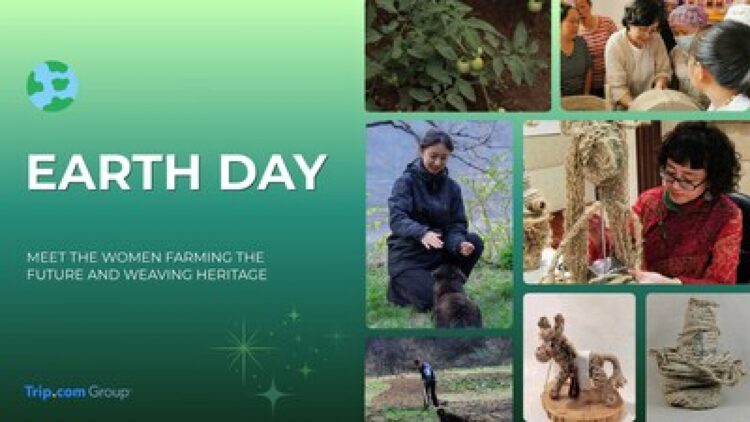
Earth Day profiles sustainable tourism practitioners
Comprehensive Summarization:
The article highlights the work of Wang Zhirong and Zhang Jing, two changemakers from rural China, who are actively working towards sustainability in their daily lives. Their efforts, particularly in regenerative farming in the Taihang Mountains and preserving heritage craft in Ningxia, illustrate how local initiatives can foster a more sustainable, inclusive, and meaningful travel experience. Wang Zhirong’s Trip.com Group Country Retreat in the Taihang Mountains, known as Linzhou Retreat, redefines rural tourism by bringing people, land, and life together, offering a unique rural tourism experience far from China’s bustling cities.
Key Points:
Actionable Takeaways:
Promote Sustainable Rural Tourism: Travel companies can learn from Wang Zhirong’s approach by developing rural tourism initiatives that focus on sustainability, community engagement, and meaningful travel experiences. This can help attract eco-conscious travelers and contribute to local economic development.
Integrate Local Heritage and Practices: Incorporating local heritage crafts and farming practices into travel experiences can create unique, authentic travel offerings. This not only preserves cultural heritage but also provides travelers with a deeper understanding and appreciation of local cultures, potentially increasing the appeal of rural destinations.
Contextual Insights:
The article reflects a growing trend in the travel industry towards sustainability and local engagement. As travelers become more environmentally conscious, there is a rising demand for travel experiences that offer genuine connections with nature and local cultures. The success of initiatives like Wang Zhirong’s Linzhou Retreat demonstrates that sustainable rural tourism can be both impactful and profitable. This trend aligns with broader industry shifts towards eco-friendly practices and authentic travel experiences, suggesting that such initiatives could become a significant part of the future travel landscape. Furthermore, the integration of local heritage and practices into travel offerings highlights the importance of cultural preservation in the tourism sector, a theme that resonates with current industry values and consumer expectations.
Read the Complete Article.
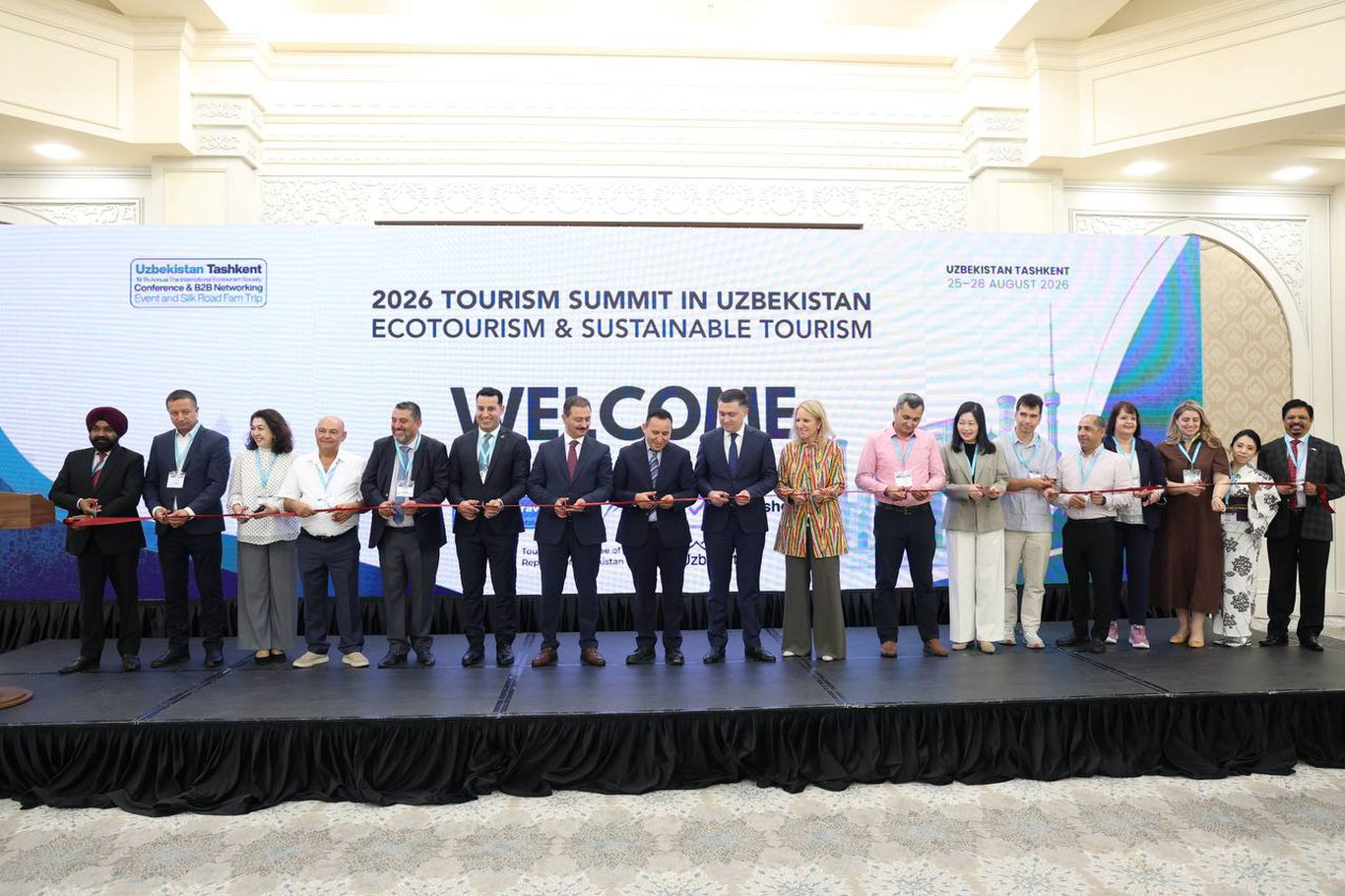
THE NEWS: Uzbekistan hosted its first international summit on ecotourism and sustainable tourism, organized by the Uzbekistan Tourism Committee, the...
Read moreDetails
Experience the magic of the Nile aboard Kenzy Dahabeya, a luxury boutique sailing cruise that offers an unforgettable journey between...
Read moreDetails