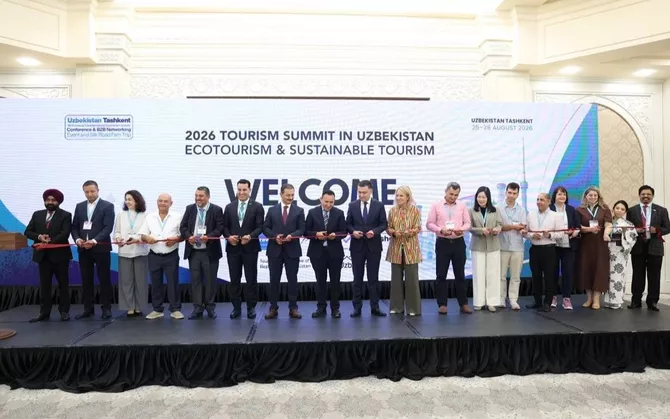
Uzbekistan Hosts First International Ecotourism Summit in History
THE NEWS: Uzbekistan hosted its first international summit on ecotourism and sustainable tourism, organized by the Uzbekistan Tourism Committee, the...
Read moreDetailsEvery alert that matters — when it happens.

Women are playing Gejog Lesung music in Osing Kemiren tourist village in Banyuwangi, East Java. The village received an award from the UN. Sustainable tourism is now key to winning the global destination competition. (Photo: https://kemiren.com/i)
Comprehensive Summarization:
The article highlights the strategic importance of sustainable tourism for Indonesia’s future in the global tourism industry, as emphasized by Indonesian Deputy Minister of Tourism Ni Luh Puspa. The Ministry of Tourism views sustainable tourism as a key component in aligning with national development policies and global tourism trends. In response to the evolving global travel landscape, where tourists increasingly consider environmental issues, cultural preservation, and socioeconomic impacts, the Ministry has launched five flagship programs: improving travel safety, tourism villages, quality tourism, events by Indonesia, and tourism 5.0. These initiatives aim to strengthen the national tourism ecosystem and ensure Indonesia remains competitive on the global stage.
Key Points:
Actionable Takeaways:
Adopt Sustainable Tourism Practices: Travel businesses should integrate sustainable practices into their operations to align with global trends and meet the growing expectations of environmentally conscious travelers. This includes adopting eco-friendly technologies, promoting cultural preservation, and ensuring socioeconomic benefits for local communities.
Invest in Flagship Programs: The Ministry’s flagship programs offer a roadmap for enhancing the tourism ecosystem. Businesses should explore participation in these programs to leverage government support and resources, thereby strengthening their market position and contributing to national tourism development.
Focus on Safety and Quality: Enhancing travel safety and ensuring high-quality tourism experiences are critical. Businesses should invest in safety protocols, quality assurance measures, and customer satisfaction initiatives to build trust and attract more tourists.
Contextual Insights:
The article reflects the current emphasis on sustainability and consumer awareness in the travel industry. With tourists becoming more discerning about their travel choices, businesses must adapt by incorporating sustainable practices and offering high-quality experiences. The introduction of the Ministry’s flagship programs signifies a proactive approach by the Indonesian government to support the tourism sector’s growth and competitiveness. This context highlights the importance of innovation and strategic planning in navigating the evolving travel landscape, particularly in leveraging technology and fostering partnerships to drive sustainable growth.
Handling Different Article Types:
The article is a news brief providing factual information on Indonesia’s sustainable tourism initiatives. It does not present an opinion piece or feature an in-depth exploration of a specific topic. Therefore, the analysis focuses on summarizing the factual content, extracting key points, and providing actionable insights based on the presented information.
Read the Complete Article.
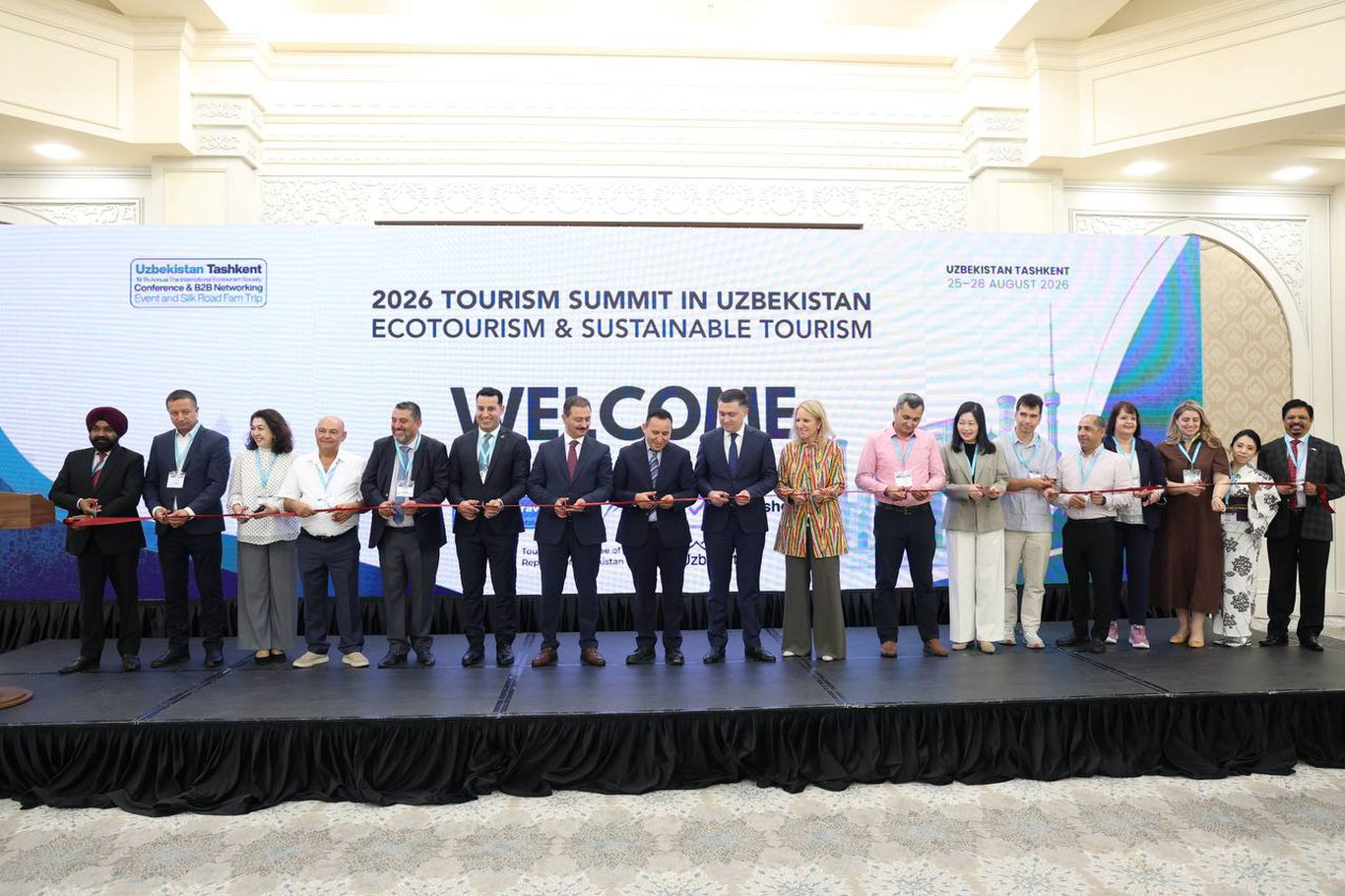
THE NEWS: Uzbekistan hosted its first international summit on ecotourism and sustainable tourism, organized by the Uzbekistan Tourism Committee, the...
Read moreDetails
Experience the magic of the Nile aboard Kenzy Dahabeya, a luxury boutique sailing cruise that offers an unforgettable journey between...
Read moreDetails