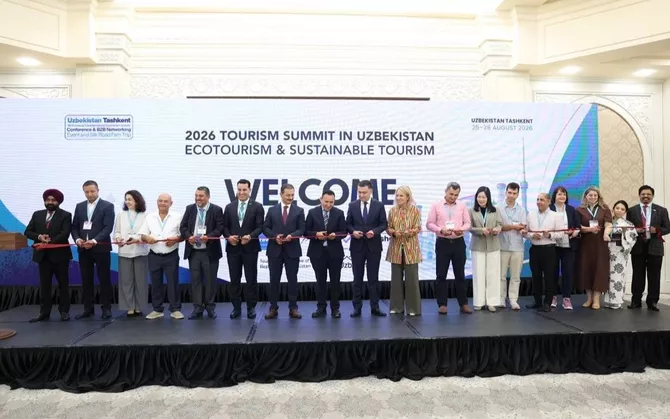
Uzbekistan Hosts First International Ecotourism Summit in History
THE NEWS: Uzbekistan hosted its first international summit on ecotourism and sustainable tourism, organized by the Uzbekistan Tourism Committee, the...
Read moreDetailsEvery alert that matters — when it happens.
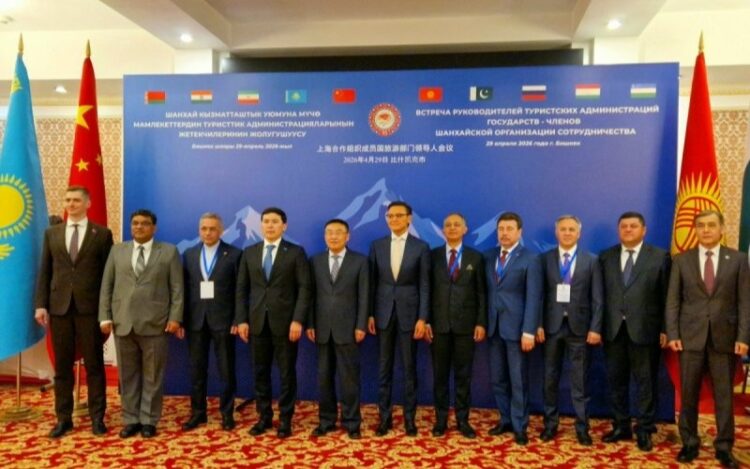
Photo credit: Khovar
Comprehensive Summarization:
The article discusses tourism cooperation within the Shanghai Cooperation Organization (SCO), focusing on the promotion of member states’ tourism potential and the development of sustainable tourism. Jumakhonzoda emphasized the importance of tourism cooperation in strengthening mutual trust, expanding humanitarian ties, and promoting sustainable economic cooperation in the region. He advocated for more practical formats of cooperation, including cross-border tourism routes, promotion of the SCO tourism space, and expanded public-private partnerships. Tajikistan proposed expanding cooperation in sustainable and mountain tourism, inviting participants to attend the International Tourism Forum and Exhibition “Khatlon – Land of Traditions and Tourism” scheduled for June 4–5, 2026, in the Khatlon Region, as well as the Dushanbe International Tourism Exhibition in September. On the sidelines of the meeting, Tajik and Uzbek delegations discussed bilateral tourism cooperation. The article also touches on the broader travel industry trends and insights from thought leaders, highlighting the importance of sustainable tourism and cross-border collaboration in the region.
Key Points:
Actionable Takeaways:
Promote Sustainable Tourism Initiatives: Given the emphasis on sustainable tourism, travel companies and destinations should invest in eco-friendly practices and sustainable infrastructure to attract environmentally conscious travelers. This aligns with global trends towards sustainable travel and can enhance brand reputation.
Develop Cross-Border Tourism Routes: The article highlights the potential of cross-border tourism routes as a practical format of cooperation. Travel businesses should explore and develop such routes to increase connectivity and attract tourists looking for multi-country experiences. This can lead to increased tourism revenue and economic growth in participating regions.
Enhance Public-Private Partnerships: The call for expanded public-private partnerships suggests a need for collaboration between government bodies and private sector entities. Travel startups and fintech companies can benefit by partnering with tourism boards to develop innovative solutions for tourism promotion, ticketing, and payment systems, thereby improving the overall travel experience.
Contextual Insights:
The SCO’s focus on tourism cooperation reflects a broader trend in the travel industry towards regional collaboration and sustainable development. As the world increasingly prioritizes eco-friendly and responsible tourism, the SCO’s emphasis on sustainable tourism practices is timely. The invitation to attend the International Tourism Forum and Exhibition underscores the importance of networking and knowledge sharing in the travel sector. For travel startups and fintech innovators, the SCO’s push for cross-border tourism routes presents an opportunity to develop integrated travel solutions that cater to the growing demand for seamless, multi-country travel experiences. By leveraging these insights, industry stakeholders can align their strategies with current trends and capitalize on emerging opportunities in sustainable and cross-border tourism.
Read the Complete Article.
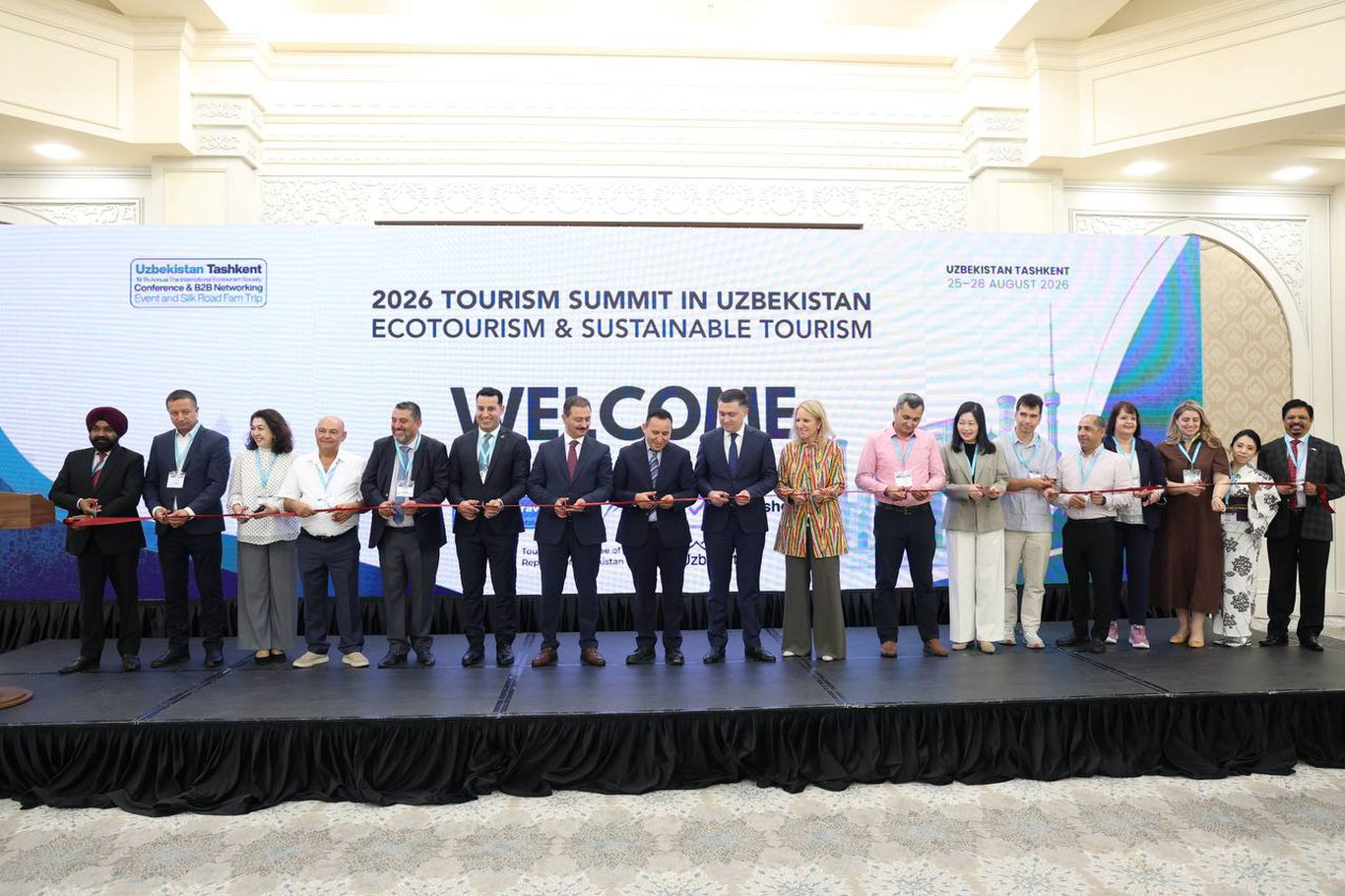
THE NEWS: Uzbekistan hosted its first international summit on ecotourism and sustainable tourism, organized by the Uzbekistan Tourism Committee, the...
Read moreDetails
Experience the magic of the Nile aboard Kenzy Dahabeya, a luxury boutique sailing cruise that offers an unforgettable journey between...
Read moreDetails