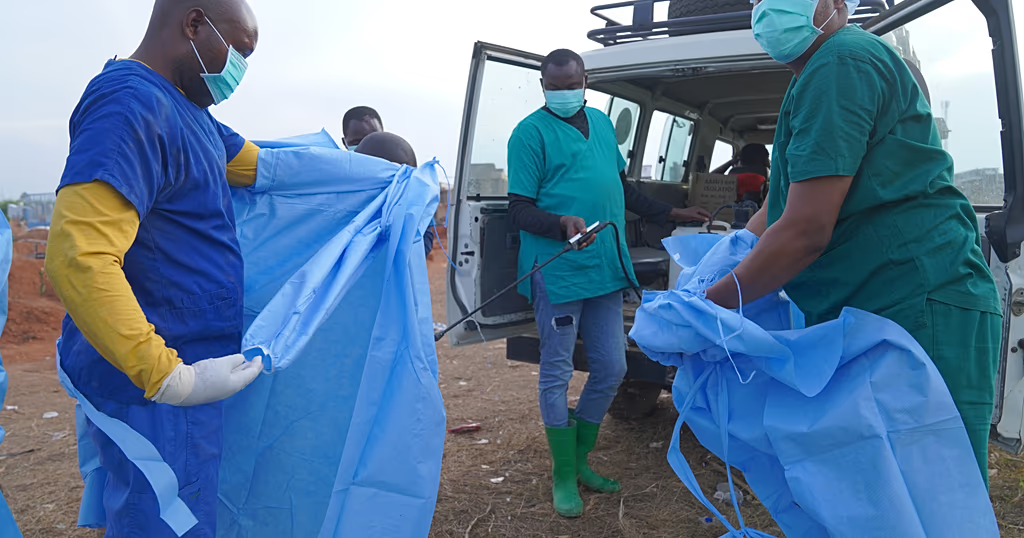
UN chief urges $1.1 billion to fight Ebola outbreak
THE NEWS: United Nations Secretary‑General António Guterres said an additional $1.1 billion is urgently needed to fight the Ebola outbreak, as the...
Read moreDetailsEvery alert that matters — when it happens.
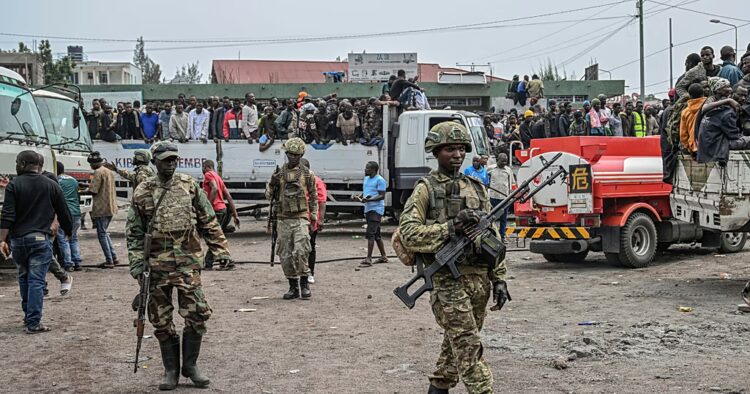
Eastern DR Congo situation 'catastrophic', says visiting EU commissioner
Comprehensive Summarization:
The article reports on EU Commissioner Hadja Lahbib’s visit to Goma, located in the eastern Democratic Republic of Congo, as part of a regional tour aimed at promoting respect for international humanitarian law. The visit comes amid ongoing fighting in the region, which Lahbib described as “catastrophic.” This marks the first time a European delegation has traveled to Goma since it was captured by M23/AFC rebels in a rapid offensive in January 2025. The Commissioner’s visit underscores the urgent need for awareness and action regarding the humanitarian situation in the Great Lakes region.
Key Points:
Actionable Takeaways:
Enhanced Regional Cooperation: The visit highlights the importance of international cooperation in addressing humanitarian crises. Travel and aid organizations should consider increasing their presence and collaboration in the Great Lakes region to support relief efforts and promote peace.
Focus on Humanitarian Law Compliance: The Commissioner’s emphasis on respecting international humanitarian law suggests a growing trend towards stricter adherence to these laws in crisis zones. Travel companies and NGOs operating in conflict areas should ensure their operations comply with these laws to avoid legal and ethical repercussions.
Contextual Insights:
The visit by EU Commissioner Hadja Lahbib to Goma is a significant development in the context of ongoing conflicts and humanitarian crises in the Great Lakes region. It reflects a broader trend in the travel industry towards prioritizing safety and ethical considerations in crisis zones. Recent trends indicate a shift towards more responsible travel practices, where companies are increasingly focused on minimizing their environmental impact and supporting local communities. This visit underscores the need for travel startups and fintech solutions to innovate in providing safe, compliant, and efficient travel options in regions affected by conflict. The integration of advanced technologies, such as AI for real-time risk assessment and blockchain for secure financial transactions, could play a crucial role in enhancing safety and transparency in travel operations in such volatile regions.
Read the Complete Article.
THE NEWS: United Nations Secretary‑General António Guterres said an additional $1.1 billion is urgently needed to fight the Ebola outbreak, as the...
Read moreDetails

Experience the magic of the Nile aboard Kenzy Dahabeya, a luxury boutique sailing cruise that offers an unforgettable journey between...
Read moreDetails