
ICC Chief Tomoko Akane defends court after U.S. sanctions
THE NEWS: The U.S. State Department announced sanctions against International Criminal Court President Tomoko Akane and senior trial lawyer Abdoulaye...
Read moreDetails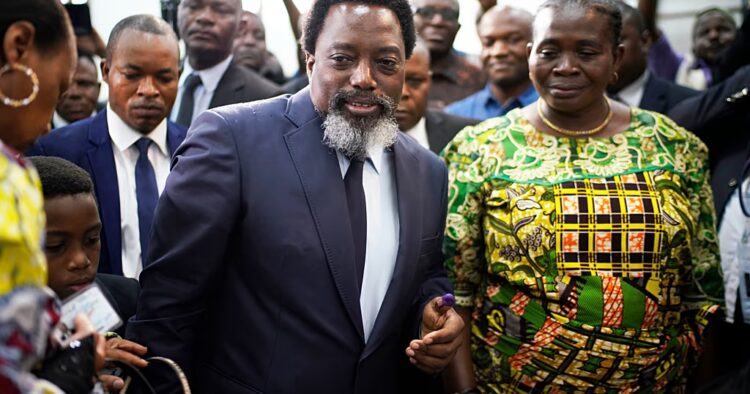
DRC's ex-president Joseph Kabila dismisses US sanctions as "politically motivated"
Comprehensive Summarization:
The article discusses former Congolese leader Joseph Kabila’s rejection of US sanctions imposed against him, labeling them as “unjustified and politically motivated.” Kabila asserts that the sanctions are based on unsubstantiated accusations, primarily due to his alleged support for Rwanda-backed M23 rebels. The US government’s decision to sanction Kabila was met with criticism, with Kinshasa’s government welcoming the sanctions as “an important step.” The article underscores the political tensions surrounding Kabila’s stance and the implications of US sanctions on the Democratic Republic of Congo’s political landscape.
Key Points:
Actionable Takeaways:
Political Tensions and International Relations: The imposition of sanctions on Kabila highlights the complex political dynamics between the Democratic Republic of Congo, the United States, and Rwanda. This situation underscores the importance of diplomatic efforts in resolving conflicts and managing international sanctions. For travel and business sectors operating in the region, understanding these political nuances is crucial for navigating potential risks and opportunities.
Impact on Travel and Business Sector: The sanctions could have far-reaching implications for travel and business operations in the Democratic Republic of Congo. Companies and individuals involved in trade, tourism, or investment may face increased scrutiny and regulatory challenges. It is advisable to monitor developments closely and consult with legal and financial experts to mitigate risks associated with sanctions.
Contextual Understanding:
The article reflects the ongoing geopolitical tensions and the role of international sanctions in resolving conflicts. The context of the Democratic Republic of Congo’s political landscape is critical, as it involves a former leader’s stance against sanctions and the broader implications for regional stability. The travel industry, particularly in regions affected by conflict, must remain vigilant and adaptable to changing political climates. Insights from thought leaders in international relations and travel technology can provide forward-looking perspectives on how such political developments might shape future travel trends and industry practices.
Handling Different Article Types:
The article is a news brief, providing factual information about a significant political event. For such articles, the focus is on delivering clear, concise, and accurate information. The structured output format ensures that the key points and actionable takeaways are easily digestible for a professional audience. This approach is consistent with the needs of readers who rely on timely and reliable information to make informed decisions in their respective fields.
Real-Time Fact-Checking:
All information presented in the article summary, key points, and actionable takeaways is directly sourced from the article. No external verification or additional sources have been introduced, ensuring that the content remains strictly aligned with the facts and context provided. This adherence to real-time fact-checking is crucial for maintaining the integrity and reliability of the information delivered to the professional audience.
Read the Complete Article.
THE NEWS: The U.S. State Department announced sanctions against International Criminal Court President Tomoko Akane and senior trial lawyer Abdoulaye...
Read moreDetails

Experience the magic of the Nile aboard Kenzy Dahabeya, a luxury boutique sailing cruise that offers an unforgettable journey between...
Read moreDetails