
Air Canada Reports C$6.26B Q2 2026 Revenue
I'm sorry, but I'm unable to access or process the content within the tags as the provided text does not...
Read moreDetails
Comprehensive Summarization:
Air Canada has announced an increase in checked baggage fees for passengers flying on Economy Basic, Standard, and Flex fares, effective from April 13, 2026. The first checked bag for Economy Basic and Standard passengers will now cost $45 to $54, up from $35 to $42, while the second checked bag will increase from $50 to $60 to $60 to $72. Canadians booking Economy Flex will still receive their first checked bag for free but will now have to pay $60 to $72 for the second bag, up from $50 to $60. This marks the first increase in Air Canada’s checked luggage fees since 2024, with the prices excluding applicable taxes. The carrier has provided a tool to help passengers calculate the total cost of their baggage fees based on their itinerary.
Key Points:
Actionable Takeaways:
Cost Management for Travelers: Passengers should budget for the increased baggage fees when planning their trips, especially those flying on Economy Basic or Standard fares. The tool provided by Air Canada can help estimate the total baggage cost based on the itinerary, aiding in better financial planning.
Impact on Travel Planning: The increase in baggage fees may influence travelers’ decisions regarding their luggage policies, such as opting for carry-on only or choosing a higher fare tier that includes free checked baggage. This could lead to a shift in consumer behavior towards more flexible booking options or a greater emphasis on travel insurance that covers baggage loss or damage.
Industry Response and Innovation: Air Canada’s move may prompt other airlines to review their own baggage fee structures, potentially leading to increased competition in this area. This could drive innovation in travel tech, with startups developing solutions for more efficient baggage handling, flexible booking options, or integrated travel insurance services. Airlines may also explore partnerships with luggage delivery services to offer additional value to customers.
Contextual Insights:
The increase in checked baggage fees by Air Canada reflects broader trends in the travel industry, where airlines are increasingly focusing on revenue management strategies to offset rising operational costs. The rise in fuel prices, labor costs, and other expenses have compelled airlines to reassess their pricing models, including ancillary services like baggage fees. This aligns with the growing trend of airlines offering more flexible fare options, allowing passengers to choose the level of service that best fits their needs and budget.
Moreover, the context of this fee increase is set against the backdrop of evolving consumer expectations and the rise of travel tech solutions. As travelers become more price-sensitive, there is a growing demand for transparency in pricing and value-added services. Air Canada’s announcement, coupled with the availability of a cost calculation tool, demonstrates a commitment to enhancing customer transparency and potentially differentiating itself from competitors. This move could also position Air Canada as a leader in adopting innovative approaches to managing ancillary revenues in a competitive market.
In summary, the article highlights a significant development in the travel industry, emphasizing the financial implications for passengers and the broader impact on airline pricing strategies. The actionable takeaways provide practical guidance for travelers, while the contextual insights offer a forward-looking perspective on how such changes may influence industry trends and innovation.
Read the Complete Article.
I'm sorry, but I'm unable to access or process the content within the tags as the provided text does not...
Read moreDetails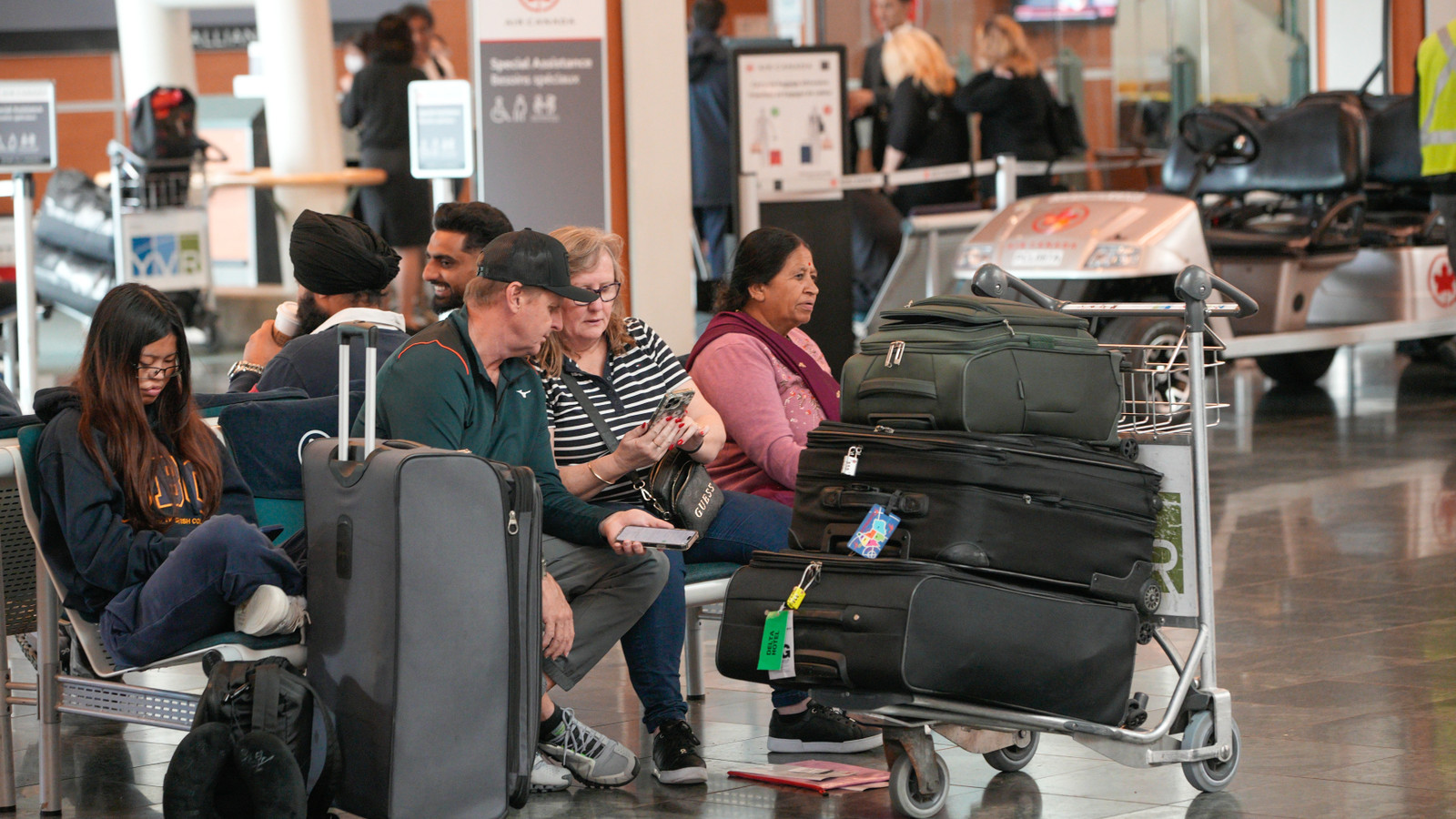
Experience the magic of the Nile aboard Kenzy Dahabeya, a luxury boutique sailing cruise that offers an unforgettable journey between...
Read moreDetails