










Comprehensive Summarization:
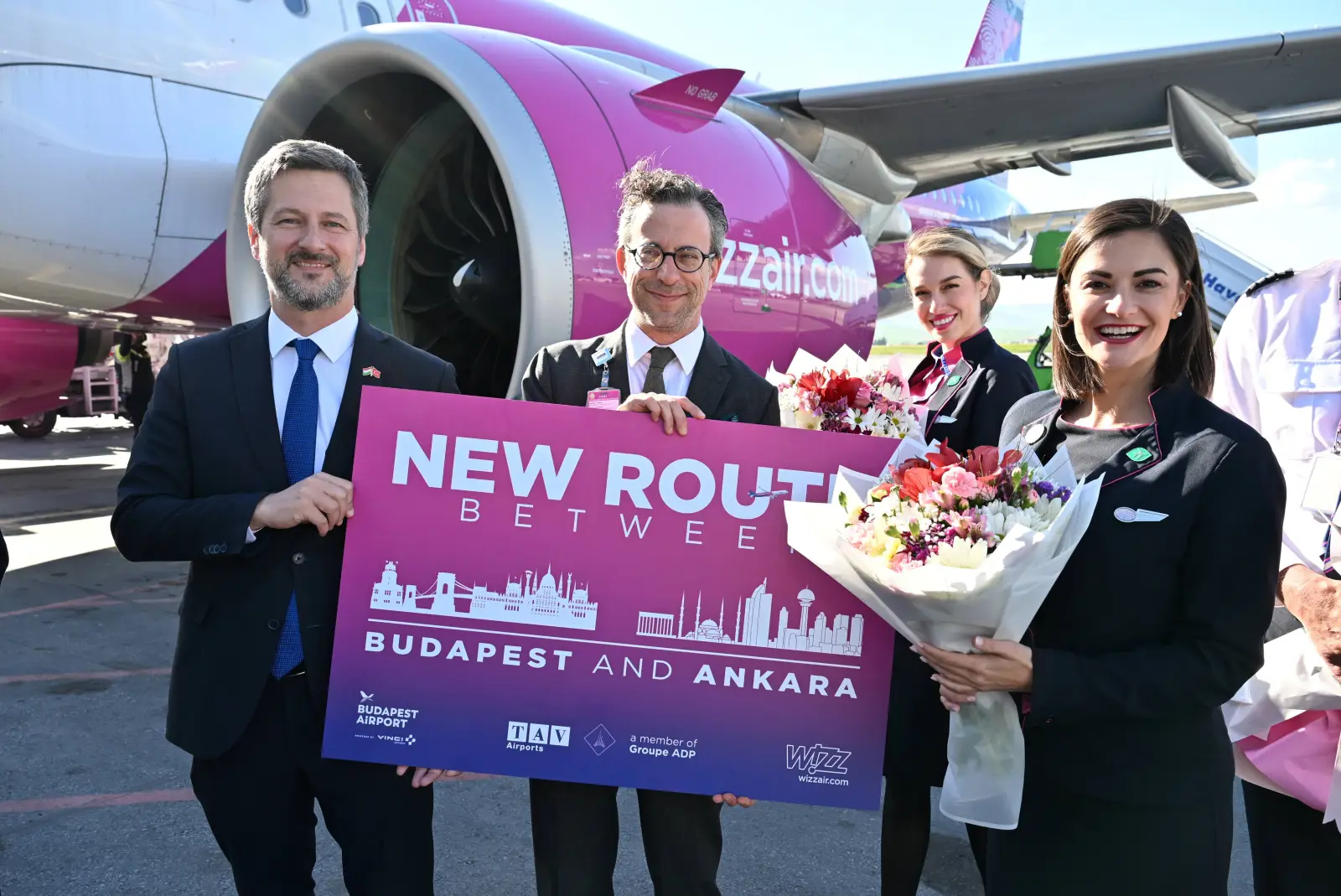
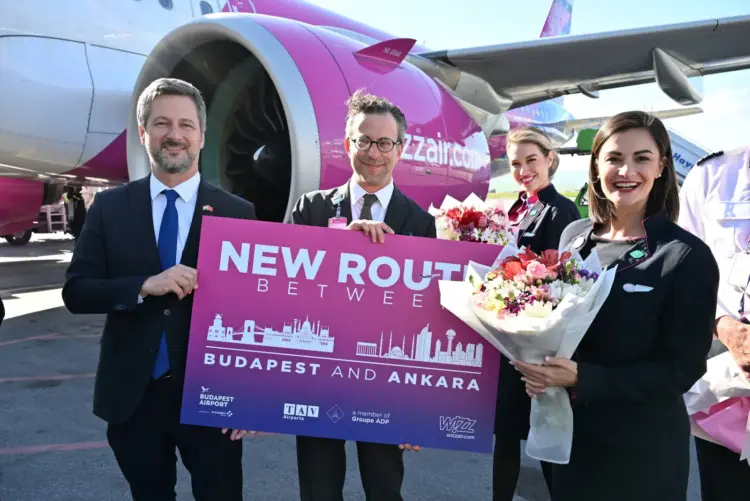
Wizz Air has introduced direct flights between Ankara Esenboğa Airport and Budapest, establishing a new international route between the Turkish and Hungarian capitals. This service operates three times a week, with the inaugural inbound flight arriving on April 29th, greeted by a welcome ceremony at the Ankara Esenboğa Airport. Passengers on the Airbus A321neo service were met with floral decorations at the terminal. The new route is expected to enhance Ankara’s air connectivity with Central Europe, marking a significant development in the travel sector.
Key Points:
- Wizz Air has launched direct flights between Ankara and Budapest, adding a new international route.
- The service operates three times a week, with the first inbound flight arriving on April 29th.
- The Airbus A321neo service received a welcome ceremony at the Ankara Esenboğa Airport, with passengers greeted by flowers.
- The new route strengthens Ankara’s air links with Central Europe, indicating a strategic move by Wizz Air.
Actionable Takeaways:
-
Enhanced Connectivity: The introduction of direct flights between Ankara and Budapest is expected to boost travel between Turkey and Central Europe, providing a more convenient option for passengers. This could lead to increased tourism and business travel, benefiting both economies.
-
Strategic Market Expansion: Wizz Air’s new route demonstrates a strategic expansion into Central European markets, potentially increasing its market share in the European aviation sector. This move could set a precedent for other airlines looking to expand their routes in the region.
-
Innovation in Travel Services: The use of the Airbus A321neo, known for its fuel efficiency and passenger comfort, highlights a trend towards sustainable and comfortable travel solutions. Airlines may increasingly adopt such technologies to meet growing consumer demand for eco-friendly and comfortable travel experiences.
Contextual Understanding:
The launch of direct flights between Ankara and Budapest is timely, considering the ongoing global focus on enhancing connectivity between major European capitals. This move aligns with broader industry trends towards expanding intra-European air travel, driven by the need for efficient travel options amidst economic recovery post-pandemic. The use of the Airbus A321neo also reflects the industry’s shift towards more sustainable aviation practices, a key concern for modern travelers and regulators alike. These developments underscore the importance of strategic route expansions and technological innovation in driving growth within the travel sector.
Handling Different Article Types:
The article in question is a news blurb, providing factual information about a recent development in the travel industry. The summary, key points, and actionable takeaways are structured to reflect the concise nature of such articles, ensuring clarity and relevance for a professional audience. The context provided integrates recent trends in air travel and technological advancements, offering a forward-looking perspective on the implications of this route expansion.
Read the Complete Article.






