












Comprehensive Summarization:
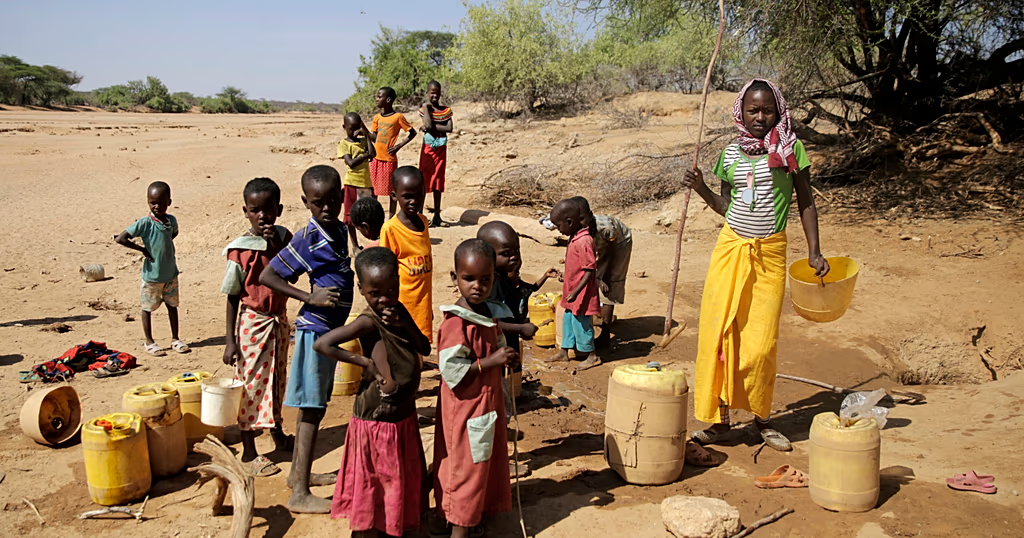
The article highlights the severe drought conditions in northeastern Kenya, specifically in Mandera County, where villagers are forced to burn their dead livestock to mitigate the stench and prevent scavenging by hyenas. The National Drought Management Authority has issued alerts for nine counties, but Mandera is in the “alarm” phase, indicating a state just short of an official emergency. A resident, Bishar Maalim Mohammed, recounts losing all his cows and goats, which he has burned to address the issue. The article underscores the dire impact of drought on local livelihoods and the urgent need for intervention.
Key Points:
- Mandera County in Kenya is experiencing severe drought conditions with no rain since May.
- Villagers in Mandera are forced to burn dead livestock to manage the stench and deter scavenging animals.
- The National Drought Management Authority has issued alerts for nine counties, with Mandera in the “alarm” phase.
- Bishar Maalim Mohammed, a resident, has lost all his cows and goats and has burned them to address the situation.
Actionable Takeaways:
- Immediate Relief Measures: Local authorities should expedite relief efforts to provide immediate assistance to affected villagers, including food, water, and veterinary support to prevent further livestock loss.
- Long-term Drought Mitigation Strategies: Implementing long-term strategies such as water conservation techniques, drought-resistant crops, and improved irrigation systems could help mitigate the impact of future droughts.
- Enhanced Monitoring and Early Warning Systems: Investing in advanced monitoring technologies and early warning systems can provide timely alerts to communities, enabling proactive measures to be taken before the situation escalates.
Contextual Insights:
The article reflects the ongoing challenges faced by communities in drought-affected regions, emphasizing the critical need for effective drought management strategies. The situation in Mandera County underscores the vulnerability of rural populations to climate-related disasters. From a travel industry perspective, such conditions can disrupt tourism and economic activities in affected areas. Travel startups and fintech innovations could play a pivotal role in developing solutions for disaster relief, such as mobile payment systems for emergency aid distribution or platforms that connect affected communities with global support networks. These innovations could not only alleviate immediate suffering but also foster resilience in vulnerable regions, potentially opening new avenues for sustainable tourism development.
Read the Complete Article.



