












Comprehensive Summarization:
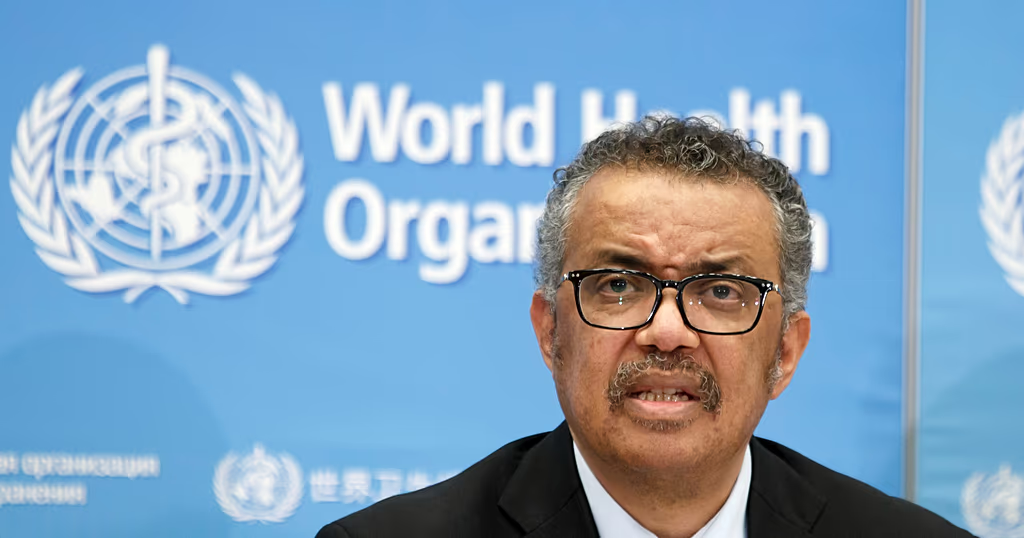
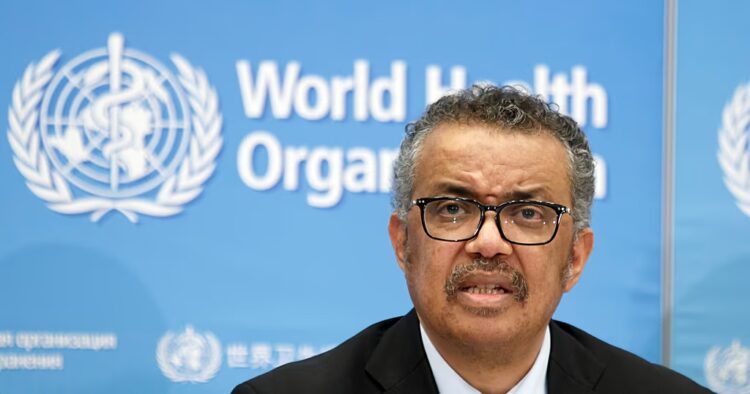
The United States officially withdrew from the World Health Organization (WHO) on January 20, 2025, citing that the agency had strayed from its core mission and acted contrary to American interests. This decision was made by President Donald Trump during his first day back in the White House. The formal notice was received by the United Nations two days later. Public health experts have criticized the move, arguing that it will disadvantage the US in responding to health crises. The article also touches on the broader context of travel and health, highlighting the importance of international cooperation in public health efforts.
Key Points:
- The United States withdrew from the WHO on January 20, 2025, citing the organization’s deviation from its core mission and actions contrary to American interests.
- President Donald Trump signed an executive order for the withdrawal during his first day back in the White House.
- The formal withdrawal notice was received by the United Nations two days after the executive order.
- Public health experts have criticized the US withdrawal, expressing concerns about the potential disadvantage in responding to health crises.
- The article emphasizes the importance of international cooperation in public health efforts.
Actionable Takeaways:
-
Importance of International Health Cooperation: The US withdrawal from the WHO underscores the critical role of international cooperation in public health. For travel and health sectors, this highlights the need for robust global health policies and partnerships to effectively respond to health crises. This could lead to increased investment in global health initiatives and the development of more resilient health systems worldwide.
-
Impact on Travel Industry: The US’s decision to withdraw from the WHO may affect travel insurance and health protocols for international travelers. Travel companies may need to reassess their risk management strategies and health protocols to ensure compliance with evolving global health guidelines. This could drive innovation in travel insurance products that offer enhanced coverage for health-related disruptions.
Contextual Insights:
The US withdrawal from the WHO reflects a broader trend of countries reassessing their international commitments in response to geopolitical and economic considerations. In the context of the travel industry, this development signals a potential shift in how health and safety are perceived and managed globally. As the travel sector continues to recover from the impacts of the COVID-19 pandemic, the emphasis on international health cooperation will be crucial. Thought leaders predict that this trend will spur the development of more integrated health and safety frameworks within the travel industry, potentially leading to the adoption of advanced technologies for real-time health monitoring and risk assessment. This forward-looking perspective highlights the need for travel companies to stay agile and responsive to global health developments, ensuring they can provide safe and reliable travel experiences for their customers.
Read the Complete Article.



