






Sail Through Time: Discover the Timeless Wonders of Upper Egypt Aboard Kenzy Dahabeya
Experience the magic of the Nile aboard Kenzy Dahabeya, a luxury boutique sailing cruise that offers an unforgettable journey between...
Read moreDetails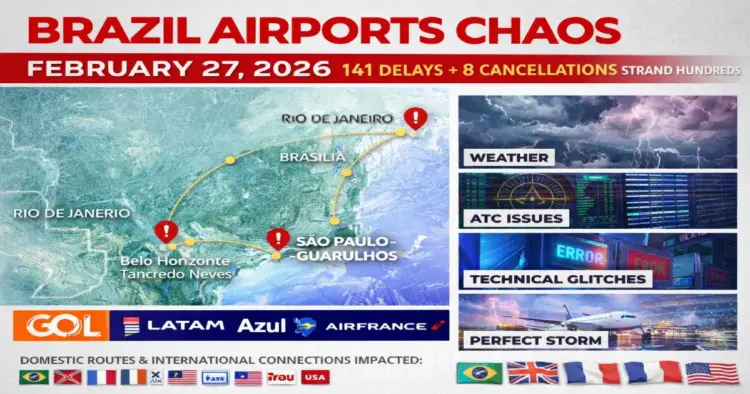
141 Delays Strand Hundreds at Major Hubs
Comprehensive Summarization:
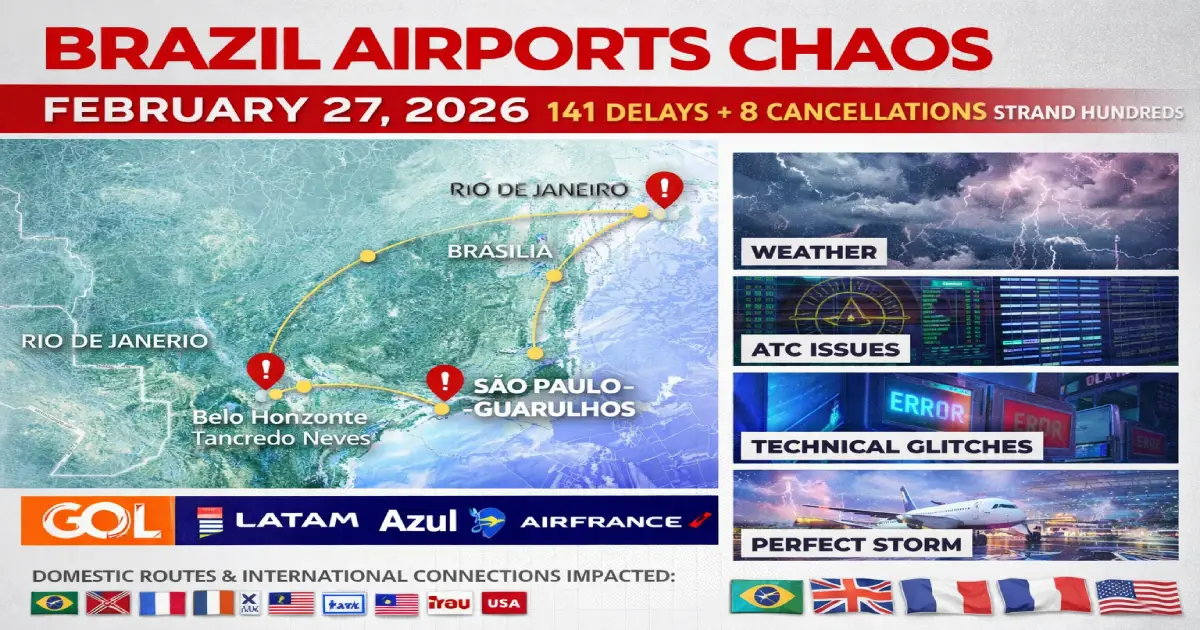
The article reports a significant disruption at Brazil’s two busiest airports, Tancredo Neves International (Confins/Belo Horizonte) and São Paulo-Guarulhos International, on February 27, 2026. The dual-hub collapse led to 141 flight delays and 8 cancellations, affecting flights operated by major carriers such as Gol Linhas Aéreas, LATAM Brasil, Azul Brazilian Airlines, Air France, and several regional airlines. The disruptions were primarily due to adverse weather conditions, including fog and thunderstorms, temporary air traffic control restrictions, and overnight technical glitches. The situation resulted in hundreds of passengers being stranded in overcrowded terminals, with long lines at customer service desks, scarce hotel rooms, and overwhelmed meal voucher distribution systems. The article highlights the challenges faced by both passengers and airlines in managing such disruptions, emphasizing the need for improved resilience in the travel sector.
Key Points:
Severe Disruptions at Major Airports: The article details a major disruption at Brazil’s two busiest airports, Tancredo Neves International and São Paulo-Guarulhos International, on February 27, 2026, resulting in 141 flight delays and 8 cancellations.
Impact on Multiple Airlines: The disruptions affected flights operated by major carriers including Gol Linhas Aéreas, LATAM Brasil, Azul Brazilian Airlines, Air France, and multiple regional carriers, impacting a large number of passengers.
Causes of Disruptions: The disruptions were caused by adverse weather conditions such as fog and thunderstorms, temporary air traffic control restrictions, and overnight technical glitches.
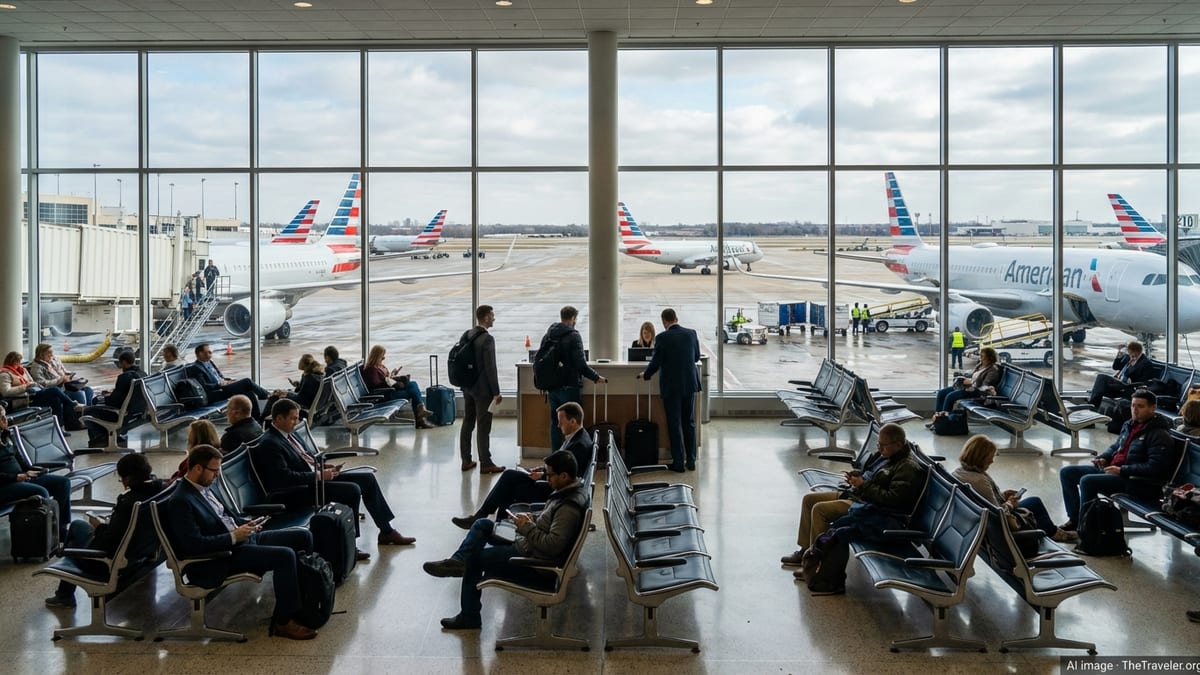
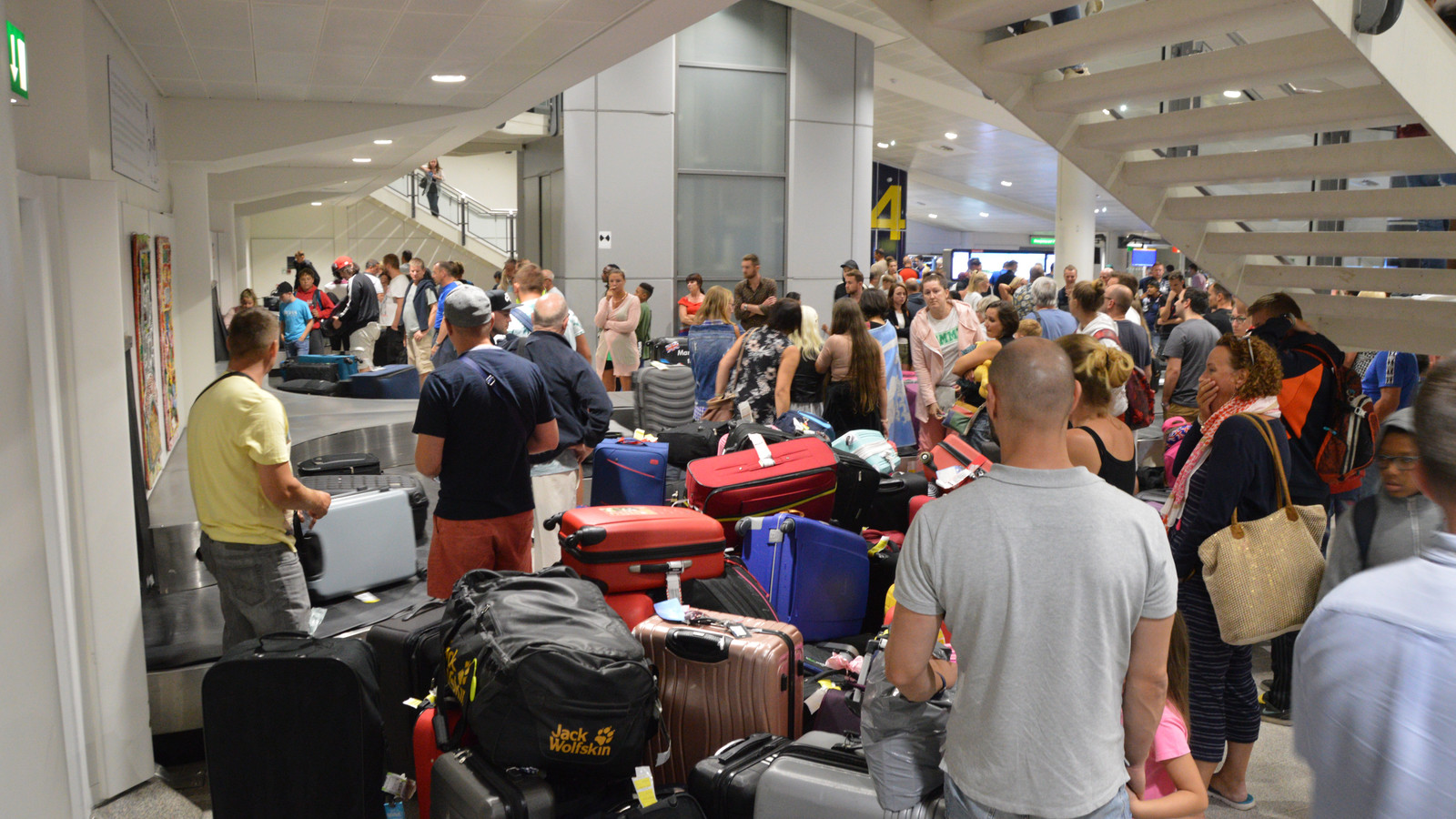
Passenger Stranding and Operational Challenges: The situation led to hundreds of passengers being stranded in overcrowded terminals, with long lines at customer service desks, scarce hotel rooms, and overwhelmed meal voucher distribution systems.
Need for Improved Resilience: The article underscores the challenges faced by airlines and passengers in managing such disruptions, highlighting the need for enhanced resilience in the travel sector.
Actionable Takeaways:
Enhanced Weather Monitoring Systems: Implement advanced weather monitoring and predictive analytics systems to anticipate and mitigate the impact of adverse weather conditions on flight operations. This can help airlines proactively adjust schedules and inform passengers in advance, reducing the severity of disruptions.
Improved Passenger Communication: Develop and deploy robust communication systems to keep passengers informed about flight status changes, delays, and cancellations. Real-time updates via mobile apps, SMS, and airport digital displays can help manage passenger expectations and reduce frustration.
Strategic Partnerships for Resource Sharing: Encourage strategic partnerships between airlines and hotels to ensure availability of hotel rooms during disruptions. This can include negotiated rates or reserved inventory for stranded passengers, alleviating the pressure on hotel resources during peak disruption periods.
Investment in Airport Infrastructure: Invest in resilient airport infrastructure, including backup power systems, redundant air traffic control systems, and flexible operational procedures. This can help minimize the impact of technical glitches and air traffic control restrictions, ensuring smoother operations during adverse conditions.
Contextual Insights:
The article reflects the ongoing challenges faced by the travel industry in managing disruptions caused by adverse weather conditions and technical glitches. The dual-hub collapse at Brazil’s major airports underscores the vulnerability of the travel sector to external factors beyond airlines’ control. This situation highlights the importance of technological advancements in weather prediction and real-time communication to enhance operational resilience. Furthermore, the article aligns with current industry trends emphasizing the need for agile and adaptable travel solutions. As the travel industry continues to evolve, integrating innovative technologies and strategic partnerships will be crucial in mitigating the impact of disruptions and ensuring a smoother travel experience for passengers.
Read the Complete Article.
Experience the magic of the Nile aboard Kenzy Dahabeya, a luxury boutique sailing cruise that offers an unforgettable journey between...
Read moreDetails



