







Sail Through Time: Discover the Timeless Wonders of Upper Egypt Aboard Kenzy Dahabeya
Experience the magic of the Nile aboard Kenzy Dahabeya, a luxury boutique sailing cruise that offers an unforgettable journey between...
Read moreDetails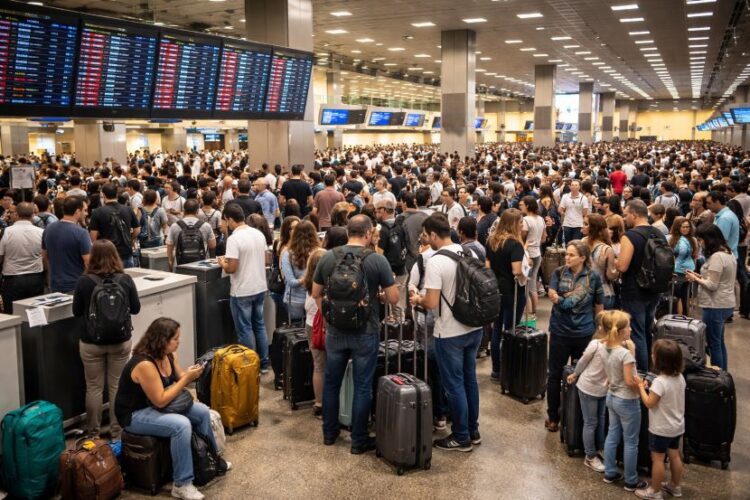
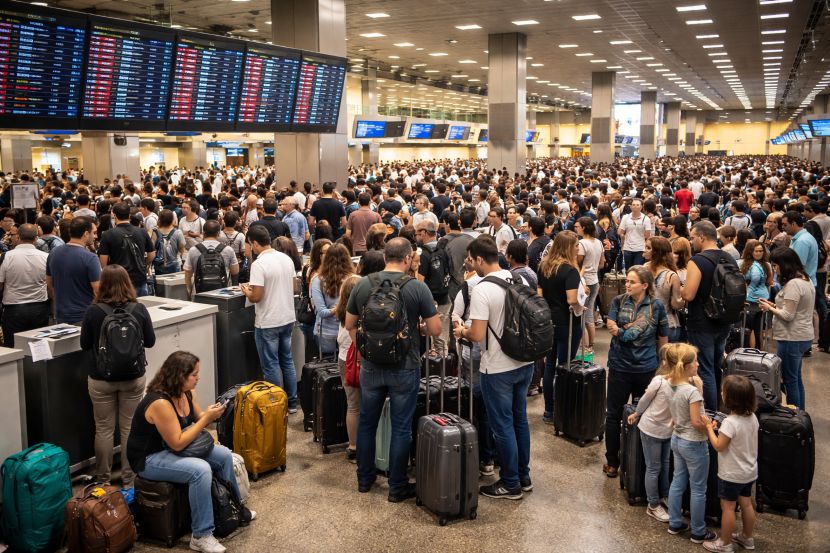
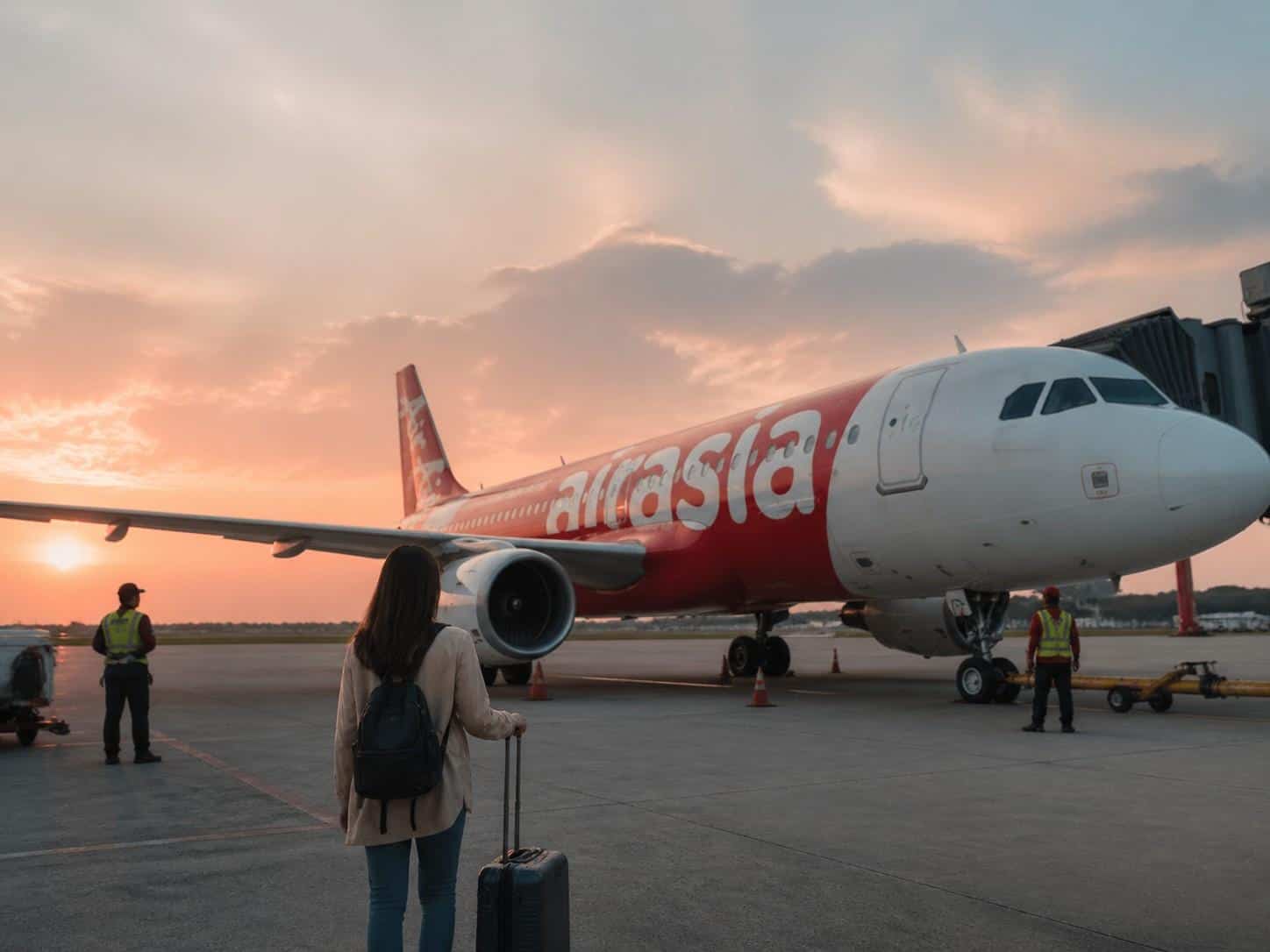
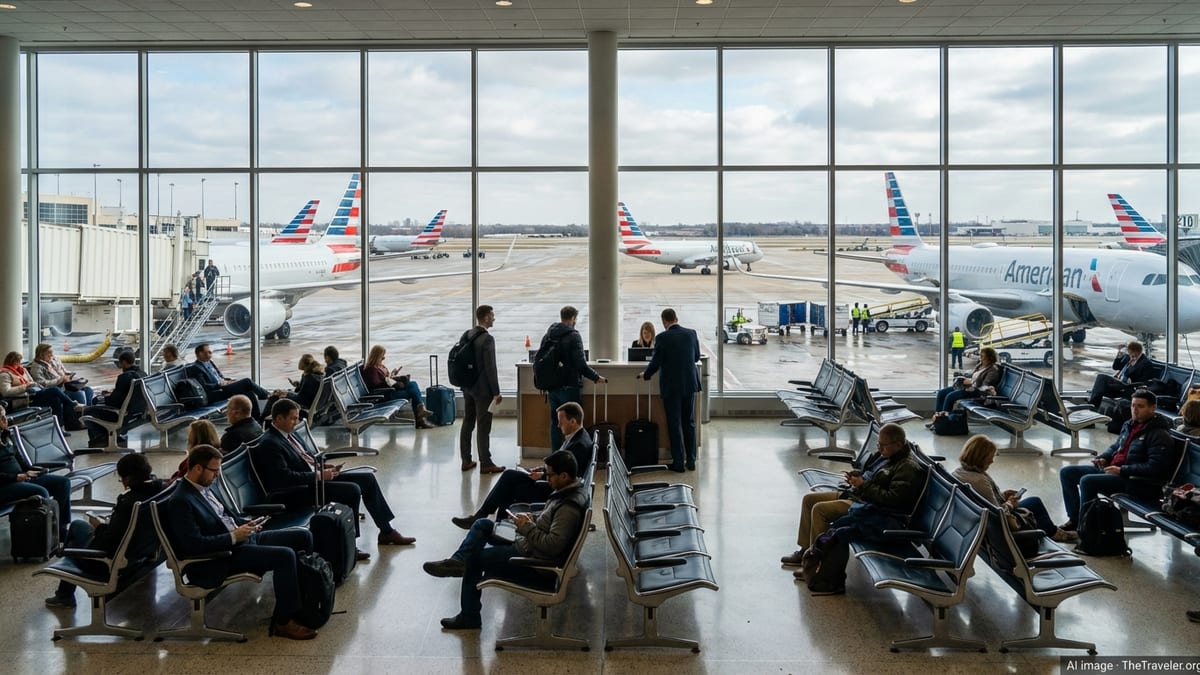
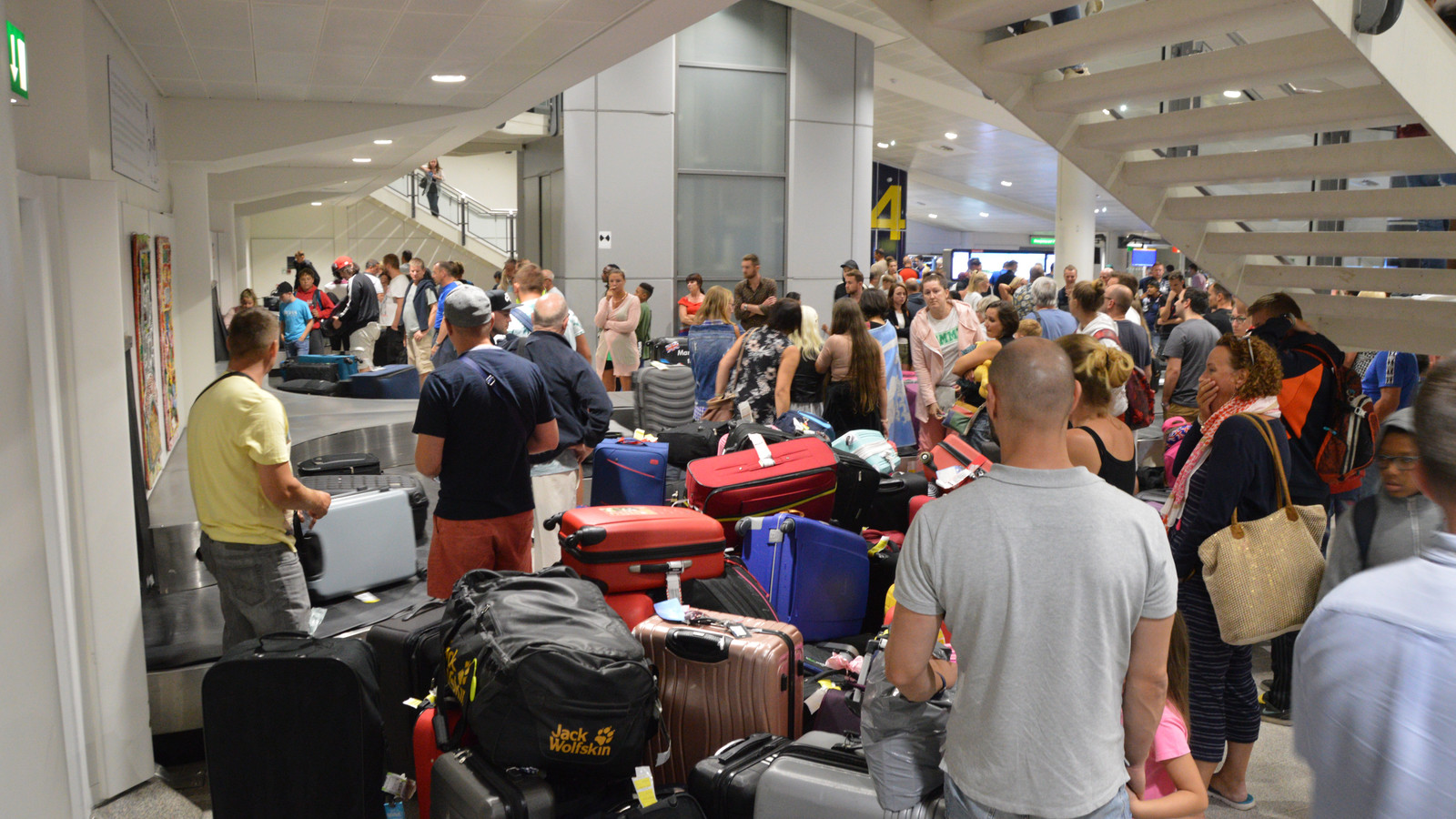
Travel Chaos Across Brazil Hits São Paulo, Belo Horizonte, Rio de Janeiro, and Salvador as LATAM, Az...
Comprehensive Summarization:
The article reports on significant travel disruptions affecting major Brazilian airports, including São Paulo-Congonhas, São Paulo-Guarulhos International Airport, and Tancredo Neves International Airport (Belo Horizonte). These disruptions have led to 73 delays and 12 cancellations, primarily involving LATAM, Azul, and GOL airlines. The affected airports are among Brazil’s busiest, and the situation has raised concerns about both international and local travel. The article emphasizes the impact on thousands of aircraft schedules and the subsequent worries regarding travel logistics in Brazil.
Key Points:
Actionable Takeaways:
Implement Flexible Booking Policies: Airlines should consider offering flexible booking options to mitigate the impact of last-minute cancellations and delays. This can help retain customer trust and reduce financial losses due to no-shows or rescheduled flights.
Enhance Communication with Passengers: Airlines should improve communication channels to promptly inform passengers about delays and cancellations. Real-time updates via mobile apps, emails, and social media can help manage passenger expectations and reduce frustration.
Invest in Technology for Rescheduling: Airlines should invest in advanced technology solutions for seamless rescheduling of flights. This includes integrating AI-driven systems that can quickly re-route flights and manage passenger rebooking, minimizing disruptions and improving operational efficiency.
Contextual Insights:
The travel disruptions in Brazil underscore the vulnerabilities in the global travel infrastructure, particularly in regions with high air traffic like São Paulo. The article reflects broader industry trends where technological advancements and operational efficiencies are crucial in managing unforeseen challenges. The reliance on major airlines such as LATAM, Azul, and GOL highlights the concentration of air travel in a few key carriers, which can amplify the impact of disruptions. Moving forward, the travel industry must focus on enhancing resilience through robust technological integration and flexible operational strategies to better handle such crises. This aligns with current industry trends emphasizing the importance of digital transformation and agile management practices in travel and logistics sectors.
Read the Complete Article.
Experience the magic of the Nile aboard Kenzy Dahabeya, a luxury boutique sailing cruise that offers an unforgettable journey between...
Read moreDetails



