

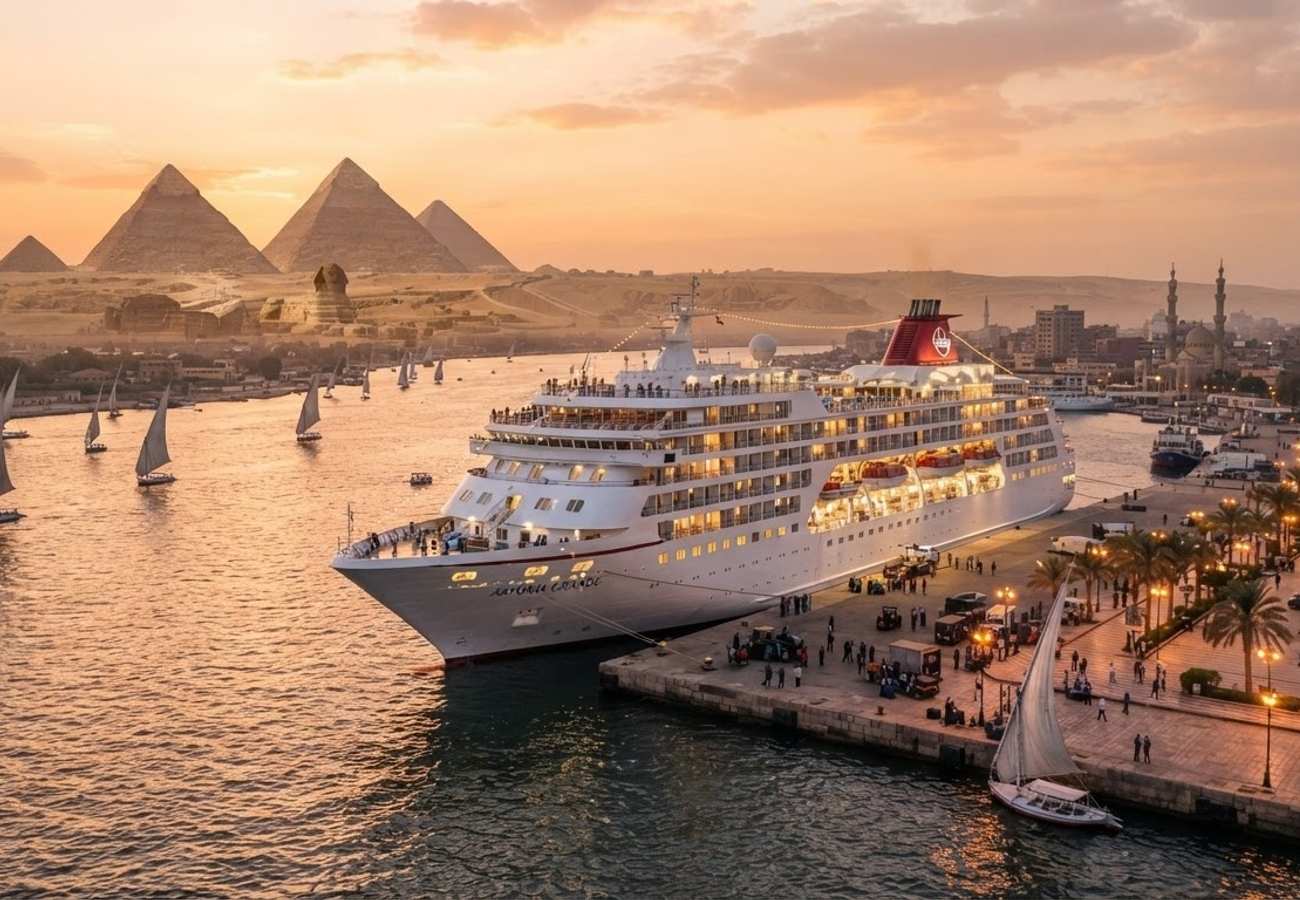



Sail Through Time: Discover the Timeless Wonders of Upper Egypt Aboard Kenzy Dahabeya
Experience the magic of the Nile aboard Kenzy Dahabeya, a luxury boutique sailing cruise that offers an unforgettable journey between...
Read moreDetails
Tourist Arrivals Plunge After Border Clashes
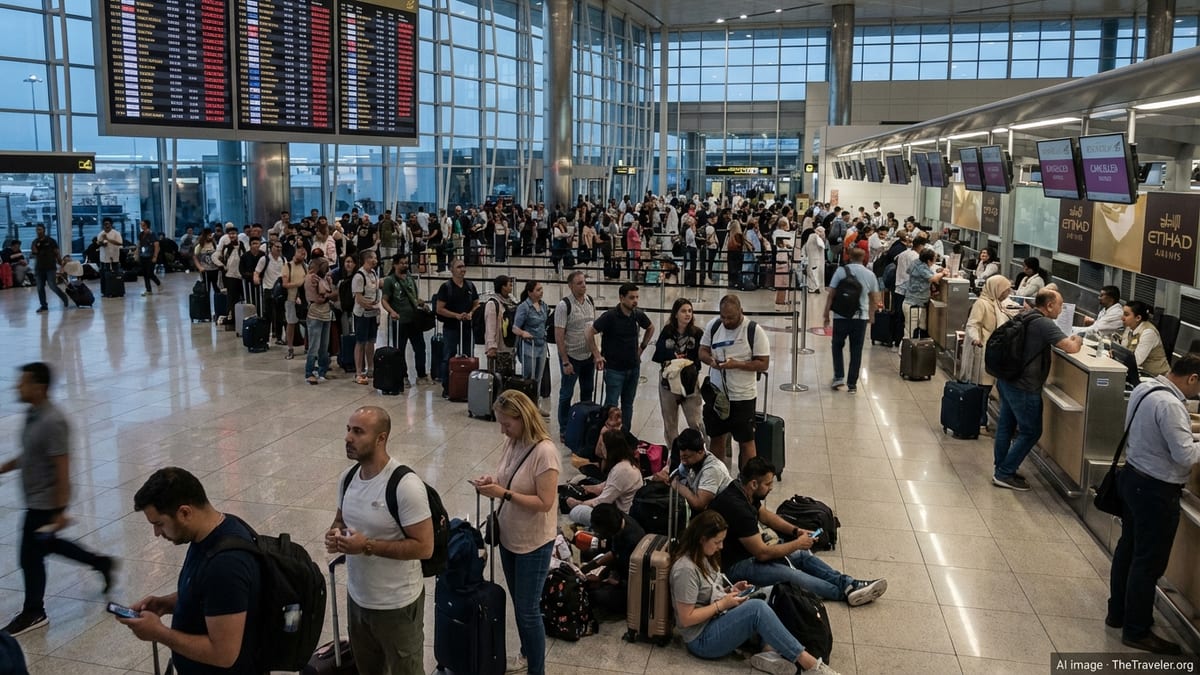
Cambodia’s vibrant tourism industry, a crucial pillar of its economy, is currently grappling with a significant downturn following recent border clashes. The disruption at key border crossings has led to a sharp decline in tourist arrivals, impacting revenue and casting a shadow over the sector’s recovery.
The article highlights a stark decrease in visitor numbers, particularly affecting overland travel which is a popular entry point for many tourists. These clashes, though seemingly isolated, have created an atmosphere of uncertainty and concern for potential travelers, deterring them from visiting the Kingdom. This ripple effect is being felt across the tourism value chain, from hotels and guesthouses to tour operators and local businesses that rely heavily on international visitors.
The impact extends beyond just arrival numbers. The loss of tourist spending translates directly into reduced revenue for businesses and a potential blow to job creation within the sector. This comes at a critical time for Cambodia, as it strives to rebuild its economy post-pandemic. The government and tourism stakeholders are undoubtedly monitoring the situation closely, seeking strategies to mitigate the negative consequences and restore confidence among travelers.
While the article doesn’t delve into specific recovery plans, the underlying message is clear: stability and safety are paramount for a thriving tourism industry. The current situation underscores the vulnerability of the sector to geopolitical events, even those occurring at its borders. Re-establishing a sense of security and ensuring smooth passage for visitors will be crucial for Cambodia to regain its footing and continue its trajectory as a sought-after travel destination. The focus will likely shift towards reinforcing safety measures and transparent communication to reassure the global travel community.
Key Points
Read the Complete Article.
Experience the magic of the Nile aboard Kenzy Dahabeya, a luxury boutique sailing cruise that offers an unforgettable journey between...
Read moreDetails



