



Comprehensive Summarization:
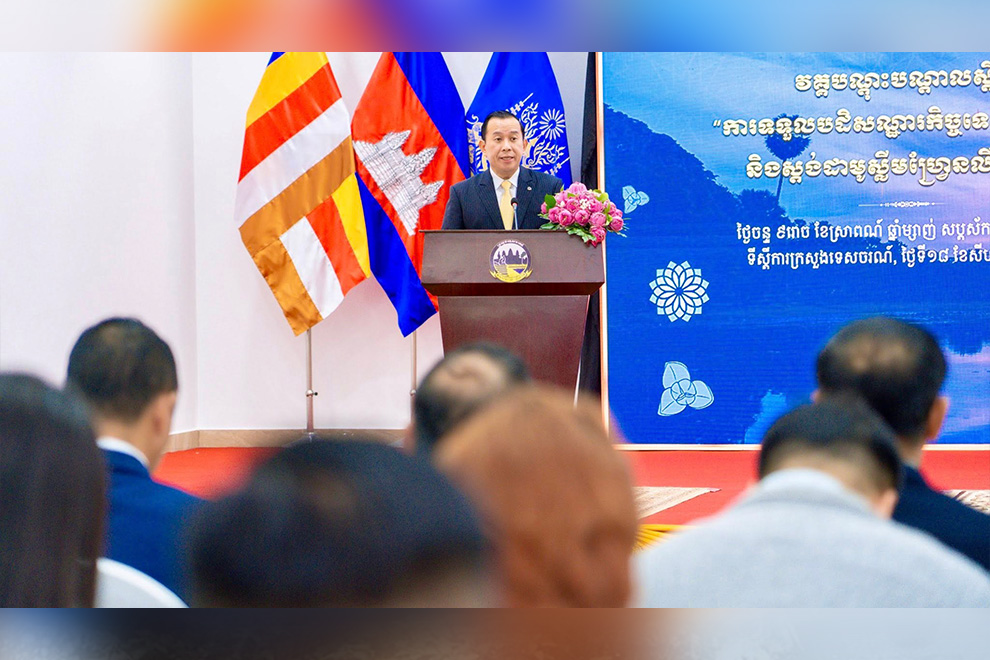
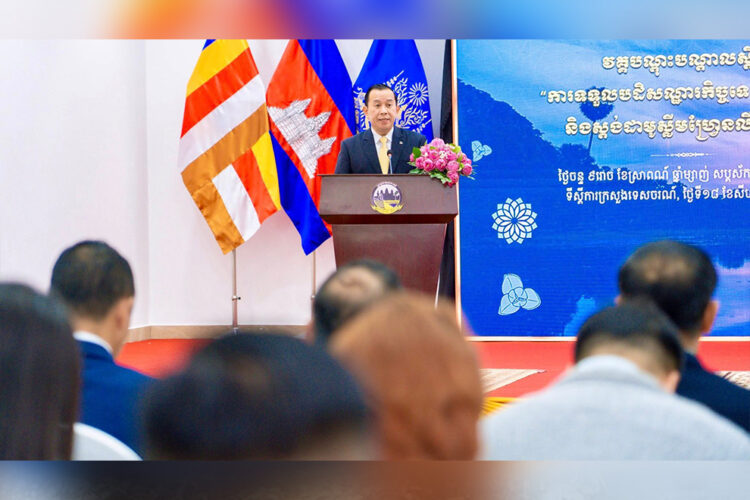
Cambodia is actively seeking to diversify its international tourism market by targeting the Muslim tourist segment, a market with significant potential according to Minister of Tourism Huot Hak. This strategy was highlighted during the opening ceremony of the “Hospitality for Muslim Tourists and the Cambodia Muslim-Friendly Standard” training course held on August 18 at the tourism ministry headquarters. The training was organized to enhance the capacity of industry operators, share knowledge, and raise awareness among stakeholders in Cambodia’s tourism industry, including the private sector. The primary goal of the course is to strengthen the industry’s capacity, foster collaboration, and ensure that all stakeholders are well-informed about the new Muslim-friendly standards.
Key Points:
- Cambodia is targeting the Muslim tourist segment to diversify its international tourism market.
- The Ministry of Tourism organized a training course on August 18 to strengthen industry capacity and raise awareness.
- The training aims to enhance the knowledge and capabilities of operators in Cambodia’s tourism industry, including private sector stakeholders.
- The course focuses on raising awareness about the new “Cambodia Muslim-Friendly Standard.”
Actionable Takeaways:
-
Enhance Industry Capacity: Cambodia should invest in training and capacity-building programs for tourism operators to meet the growing demand from the Muslim tourist segment. This will ensure that operators are well-prepared to cater to the specific needs and preferences of this market segment, potentially increasing their competitiveness and market share.
-
Promote Muslim-Friendly Standards: The introduction of the “Cambodia Muslim-Friendly Standard” is a strategic move to attract Muslim tourists. Travel companies and operators should familiarize themselves with these standards and ensure their services comply with them. This will not only help in attracting a new segment of tourists but also enhance the reputation of Cambodia as an inclusive and welcoming destination.
-
Collaborate with Stakeholders: The training course emphasizes the importance of collaboration among various stakeholders in the tourism industry. Travel companies, government bodies, and private sector stakeholders should work together to share best practices, resources, and knowledge. This collaborative approach can lead to more effective implementation of the Muslim-friendly initiatives and contribute to the overall growth of the tourism sector.
Contextual Insights:
The article reflects the ongoing efforts of Cambodia to adapt to the evolving demands of the global tourism market. With the rise of niche tourism segments, such as the Muslim tourist market, countries are increasingly focusing on creating inclusive and diverse tourism offerings. This trend is supported by broader industry insights that highlight the importance of catering to specific cultural and religious preferences to attract a wider range of tourists. Cambodia’s initiative to develop the “Cambodia Muslim-Friendly Standard” aligns with this global trend, emphasizing the need for destinations to be flexible and responsive to the diverse needs of their visitors.
Moreover, the training course underscores the importance of continuous learning and adaptation in the travel industry. As new markets emerge and consumer preferences evolve, industry stakeholders must stay informed and proactive. The integration of technology and innovation, such as digital platforms for sharing best practices and training resources, can further enhance the effectiveness of such initiatives. By leveraging these advancements, Cambodia can position itself as a leader in inclusive tourism, setting a precedent for other destinations to follow.
Read the Complete Article.






