











Sail Through Time: Discover the Timeless Wonders of Upper Egypt Aboard Kenzy Dahabeya
Experience the magic of the Nile aboard Kenzy Dahabeya, a luxury boutique sailing cruise that offers an unforgettable journey between...
Read moreDetails
Flights Keep Tourism Stable but Thailand Border-Crossing Closures Raise Concerns
Cambodia’s tourism sector is demonstrating remarkable resilience, largely buoyed by the steady flow of international flights. However, recent disruptions at the Thailand border are casting a shadow of concern, potentially impacting visitor numbers and the overall recovery of this vital industry.
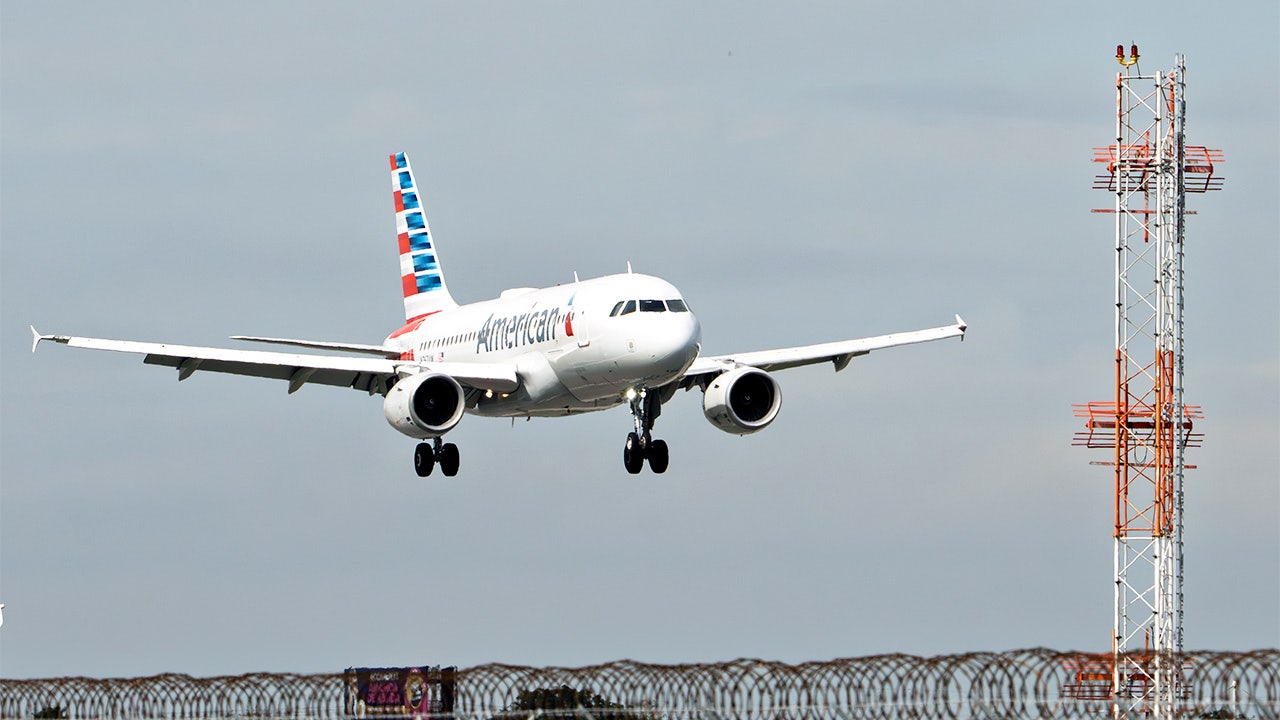
The latest insights from the Ministry of Tourism reveal a positive trend in air arrivals, acting as a crucial stabilizing force for Cambodia’s hospitality landscape. This continued air connectivity is a testament to the industry’s ability to adapt and maintain momentum, even amidst evolving global travel dynamics. The ease and accessibility provided by international flights are paramount in attracting tourists, ensuring that Cambodia remains a viable and attractive destination for global travelers.
Despite the encouraging flight data, the closure of several key border crossings with Thailand presents a significant hurdle. These land routes have historically served as major conduits for tourists, particularly those undertaking multi-country Southeast Asian journeys. The restrictions not only inconvenience travelers but also create logistical challenges that can deter spontaneous visits and complicate travel planning for those seeking to experience both nations.
Industry experts emphasize that the closure of these land borders directly impacts a segment of the tourism market that contributes significantly to local economies. It’s not just about the direct loss of revenue from those unable to cross; it’s also about the cascading effect on tour operators, accommodation providers, and local businesses that rely on cross-border traffic. The inconvenience and uncertainty created by these closures can lead to a redirection of potential visitors to alternative destinations, thereby impacting Cambodia’s competitive edge.
The Cambodian government and tourism stakeholders are keenly aware of the delicate balance required to foster growth. While air travel provides a robust foundation, addressing land border accessibility is critical for a comprehensive tourism recovery. Continued dialogue and collaborative efforts with neighboring countries, particularly Thailand, are essential to ensure smooth passage and re-establish the vital land links that have long supported regional tourism.
As Cambodia navigates these challenges, the focus remains on leveraging its unique cultural heritage, natural beauty, and hospitality to attract and retain visitors. The strength of its air connectivity is a powerful asset, but overcoming the obstacles posed by border closures will be key to unlocking the full potential of its tourism sector and ensuring sustained, robust growth in the years to come. The industry’s ability to adapt and advocate for streamlined border policies will be crucial in maintaining its upward trajectory.
Key Points
Read the Complete Article.
Experience the magic of the Nile aboard Kenzy Dahabeya, a luxury boutique sailing cruise that offers an unforgettable journey between...
Read moreDetails



