





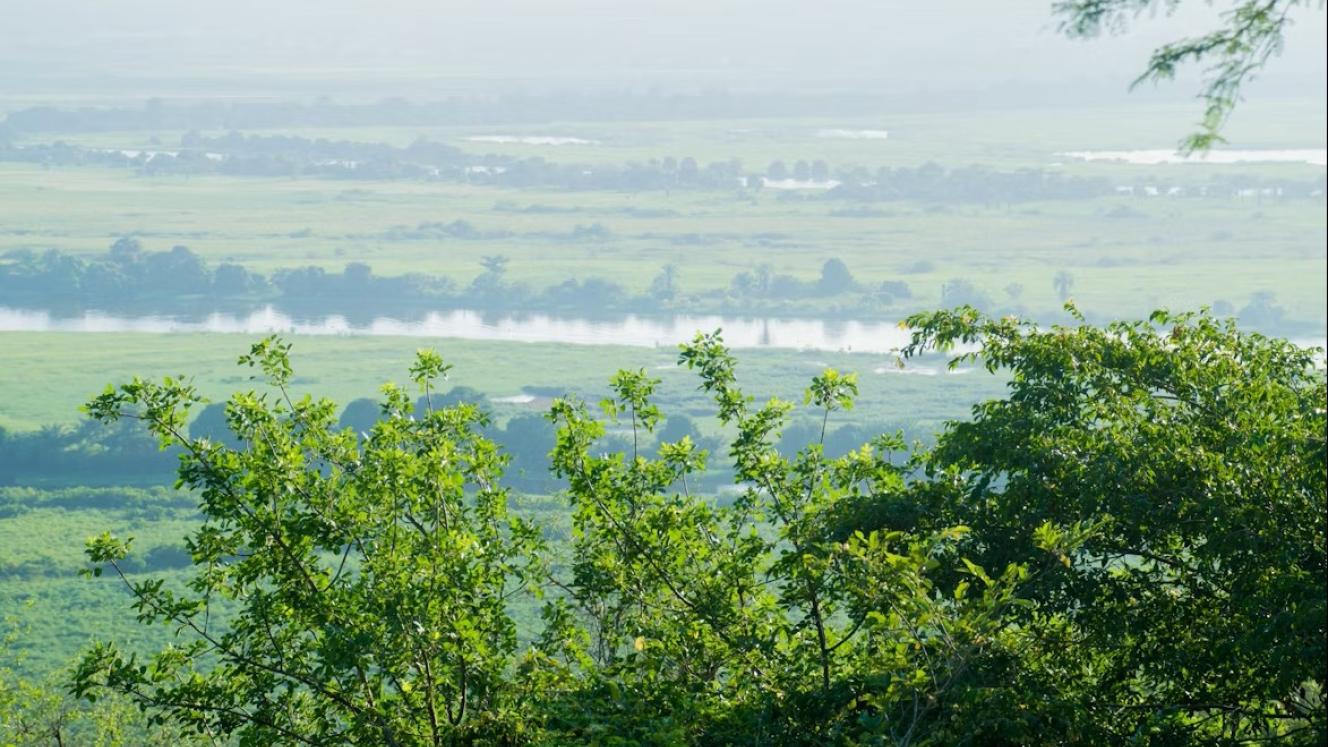








Sail Through Time: Discover the Timeless Wonders of Upper Egypt Aboard Kenzy Dahabeya
Experience the magic of the Nile aboard Kenzy Dahabeya, a luxury boutique sailing cruise that offers an unforgettable journey between...
Read moreDetails
Government Issues Adventure Tourism Safety Guidelines; 77 Operators Recognized Across India
Comprehensive Summarization:
The Ministry of Tourism in India has taken significant steps to strengthen the regulatory framework for adventure tourism. As part of this initiative, 77 adventure tourism operators have been recognized across the country. However, a notable challenge identified is the absence of a central database for adventure tourism destinations. The responsibility for safety, promotion, and development of these destinations has been placed squarely on the states and union territories. Additionally, nationwide Adventure Safety Guidelines have been issued, and there is no dedicated fund earmarked for the promotion of adventure tourism. States are now tasked with enforcing licensing and safety norms to ensure the safe and sustainable growth of this sector.
Key Points:
Actionable Takeaways:
Enhanced State Responsibility: States must prioritize the development and promotion of adventure tourism by establishing robust infrastructure, ensuring safety standards, and creating a centralized database for destinations. This will not only boost the sector’s growth but also enhance the overall travel experience for tourists.
Need for Centralized Database: The absence of a central database for adventure tourism destinations poses a significant challenge. Implementing a comprehensive database can streamline operations, improve accessibility for tourists, and facilitate better planning and management by authorities.
Licensing and Safety Norms: States should enforce stringent licensing and safety norms for adventure tourism operators. This will ensure that all operators adhere to high safety standards, thereby protecting tourists and maintaining the sector’s reputation.
Contextual Insights:
The article reflects a proactive approach by the Indian government to bolster the adventure tourism sector, which has seen a surge in popularity globally. The emphasis on state responsibility aligns with the decentralized nature of tourism management in India, allowing for tailored strategies that cater to regional landscapes and cultural nuances. The issuance of nationwide safety guidelines underscores the government’s commitment to ensuring the safety of tourists, a critical factor in attracting international visitors. The lack of a dedicated fund for promotion, however, highlights a potential area for improvement. While states are tasked with the operational aspects, a financial incentive or fund could further stimulate growth and innovation in the sector. This aligns with broader travel industry trends where safety, accessibility, and innovation are key drivers of success. The absence of such a fund might limit the sector’s ability to compete on a global scale, but it also presents an opportunity for private sector investment and public-private partnerships to fill this gap.
Read the Complete Article.
Experience the magic of the Nile aboard Kenzy Dahabeya, a luxury boutique sailing cruise that offers an unforgettable journey between...
Read moreDetails



