






Sail Through Time: Discover the Timeless Wonders of Upper Egypt Aboard Kenzy Dahabeya
Experience the magic of the Nile aboard Kenzy Dahabeya, a luxury boutique sailing cruise that offers an unforgettable journey between...
Read moreDetails
US-Iran war fallout: India's tourism and hospitality sector counts the cost- The Week
Comprehensive Summarization:
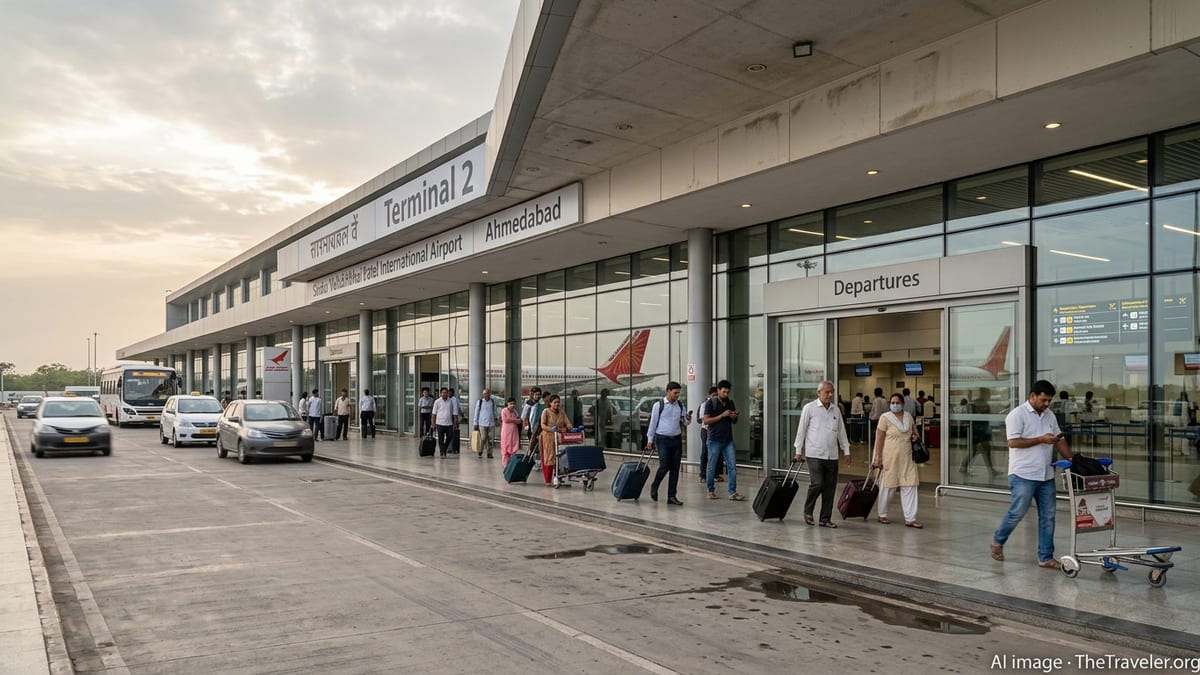
The article discusses the significant impact of the ongoing war in the Middle East on India’s tourism and hospitality sector. According to a report by the PHD Chamber of Commerce and Industry (PHDCCI), titled “Impact of the West Asia Conflict on India’s Tourism, Aviation & Hospitality Sectors,” the conflict has caused substantial disruptions across various levels of the industry. From flight surcharges due to reduced flight operations to LPG (Liquefied Petroleum Gas) supply delays affecting restaurants, the conflict’s ripple effects are felt across the board. The damage began at 35,000 feet, with Indian carriers experiencing a drastic reduction in daily flights to the Middle East, from 300-350 flights to a significantly lower number. This disruption has had cascading effects, impacting everything from luxury hotels in Bengaluru to local eateries in Chennai. The article underscores the vulnerability of the travel industry to geopolitical events and highlights the need for resilience and adaptability in the face of such challenges.
Key Points:
Actionable Takeaways:
Diversify Market Focus: Given the vulnerability of the tourism sector to geopolitical events, businesses should consider diversifying their market focus to reduce dependency on specific regions. This could involve expanding into emerging markets or developing niche tourism offerings that are less susceptible to regional conflicts.
Invest in Resilient Supply Chains: The article highlights the impact of supply chain disruptions, particularly in the case of LPG supply delays affecting restaurants. Businesses should invest in resilient supply chains that can withstand geopolitical shocks. This might include securing multiple suppliers, investing in local sourcing, or developing contingency plans for critical supplies.
Leverage Digital Transformation: The article underscores the impact of the conflict on traditional travel operations, such as flight disruptions. Businesses should leverage digital transformation to enhance operational resilience. This could involve developing digital platforms for virtual experiences, enhancing online booking systems, or using data analytics to predict and mitigate potential disruptions.
Contextual Understanding:
The article is set against the backdrop of a global geopolitical crisis, specifically the war in the Middle East, which has had far-reaching implications for India’s tourism and hospitality sector. The PHDCCI report provides a detailed analysis of how this conflict is affecting various segments of the industry, from flight operations to local restaurant supply chains. The disruption is evident at multiple levels, from the skies (flight surcharges) to the kitchen stove (LPG delays), illustrating the multifaceted impact of the conflict. The article also touches on broader travel trends and insights from thought leaders, emphasizing the need for resilience and adaptability in the face of such challenges. Current industry trends indicate a growing emphasis on digital transformation and supply chain resilience, which are crucial for navigating the uncertainties posed by geopolitical events.
Handling Different Article Types:
The article in question is a news brief, providing factual information about the impact of a geopolitical event on a specific industry. The structured output format is designed to accommodate such content, ensuring that the summary, key points, and actionable takeaways are concise, fact-based, and directly sourced from the article. For other types of articles, such as opinion pieces or feature articles, the same structured approach would be applied, adapting the content to fit the specific context and focus of the piece.
Read the Complete Article.
Experience the magic of the Nile aboard Kenzy Dahabeya, a luxury boutique sailing cruise that offers an unforgettable journey between...
Read moreDetails



