










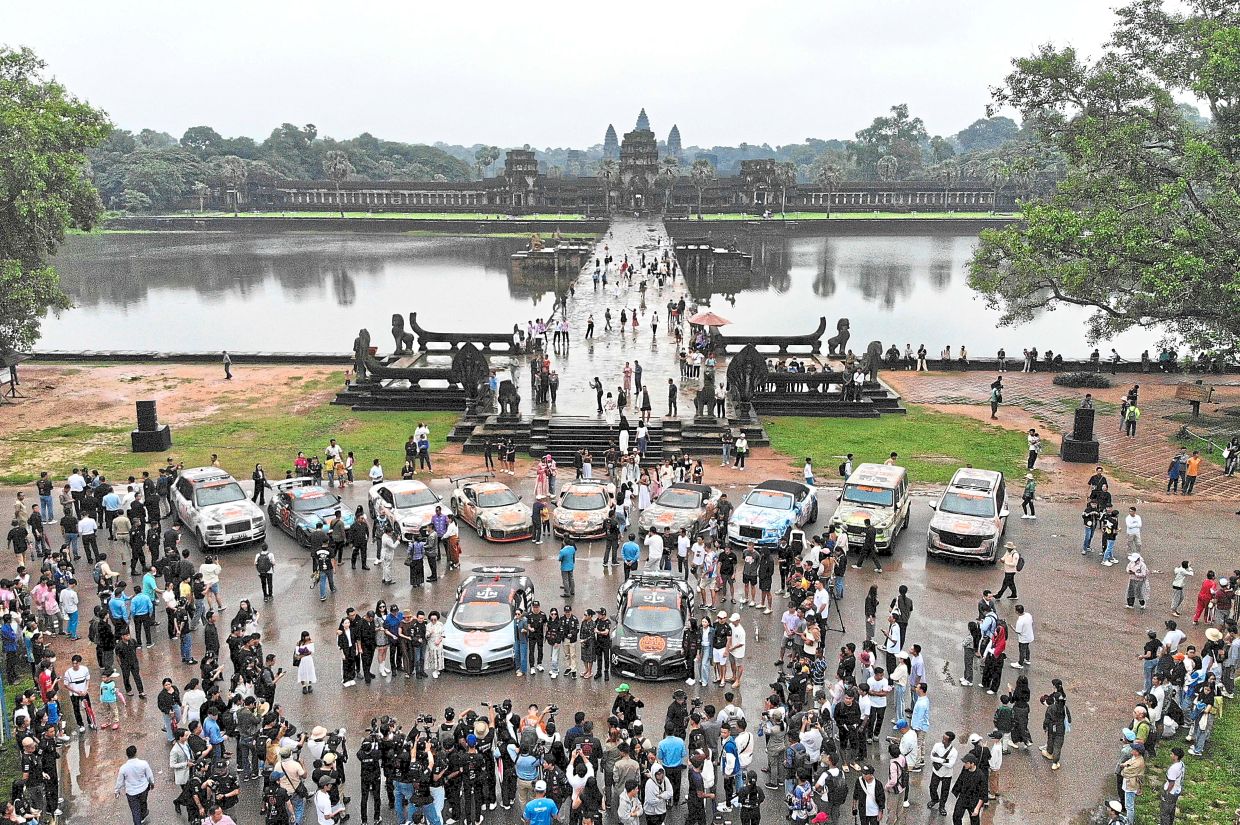


Sail Through Time: Discover the Timeless Wonders of Upper Egypt Aboard Kenzy Dahabeya
Experience the magic of the Nile aboard Kenzy Dahabeya, a luxury boutique sailing cruise that offers an unforgettable journey between...
Read moreDetails
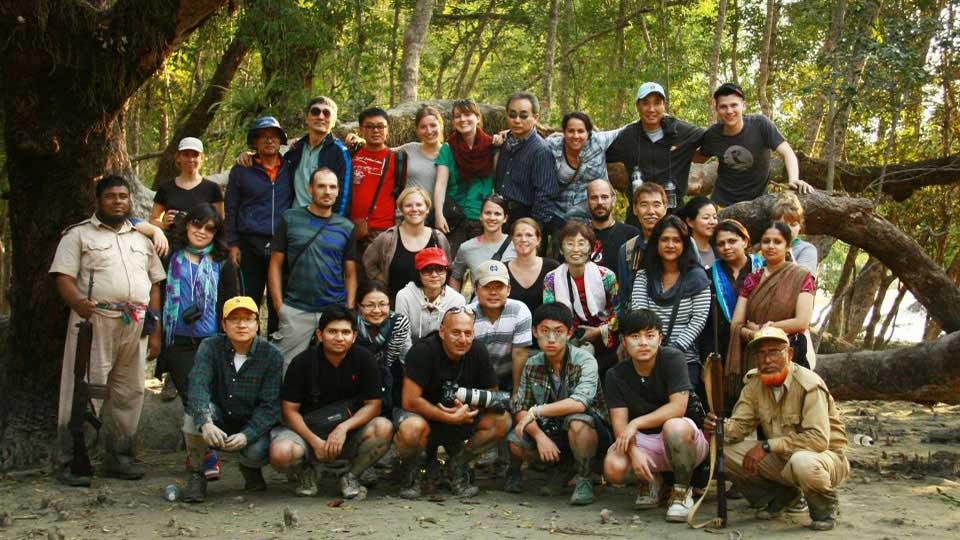
Tourism Experts Stress Better Destination Management At Buddhist Destinations Of India
Comprehensive Summarization:
The Ministry of Tourism, in collaboration with various stakeholders, is actively promoting Buddhist destinations in India to attract religious tourists from Southeast Asian countries. Despite these promotional efforts, industry experts highlight that the lack of effective “destination management” poses a significant challenge. This includes issues such as inadequate infrastructure, poor last-mile connectivity, unregulated local services, and insufficient flight facilities, which negatively impact the overall visitor experience. The government is addressing this by deploying trained tourist facilitators and offering multilingual guides to ensure a seamless and enriching experience for international visitors.
Key Points:
Actionable Takeaways:
Enhance Destination Management: Implementing robust destination management strategies, including improved infrastructure and connectivity, can significantly enhance the visitor experience at Buddhist sites. This is crucial for attracting more religious tourists from Southeast Asia and ensuring their satisfaction.
Invest in Training and Multilingual Services: Providing trained tourist facilitators and multilingual guides can help overcome language barriers and improve the overall experience for international visitors. This investment can lead to higher tourist satisfaction and repeat visits, benefiting the tourism sector economically.
Focus on Last-Mile Connectivity: Improving last-mile connectivity, such as better transportation options and flight facilities, is essential for making Buddhist destinations more accessible. Enhanced connectivity can reduce travel hassles for tourists, encouraging more frequent visits and longer stays.
Contextual Insights:
The article reflects current industry trends where effective destination management is becoming increasingly important for attracting niche tourist groups, such as religious pilgrims. The emphasis on improving infrastructure and connectivity aligns with broader industry efforts to enhance the travel experience and ensure sustainability. As travel technology continues to evolve, innovations in destination management systems and digital services are likely to play a pivotal role in overcoming existing challenges. This approach not only benefits the tourism sector but also supports the broader economic goals of promoting cultural and religious tourism in India.
Read the Complete Article.
Experience the magic of the Nile aboard Kenzy Dahabeya, a luxury boutique sailing cruise that offers an unforgettable journey between...
Read moreDetails



