







Sail Through Time: Discover the Timeless Wonders of Upper Egypt Aboard Kenzy Dahabeya
Experience the magic of the Nile aboard Kenzy Dahabeya, a luxury boutique sailing cruise that offers an unforgettable journey between...
Read moreDetails
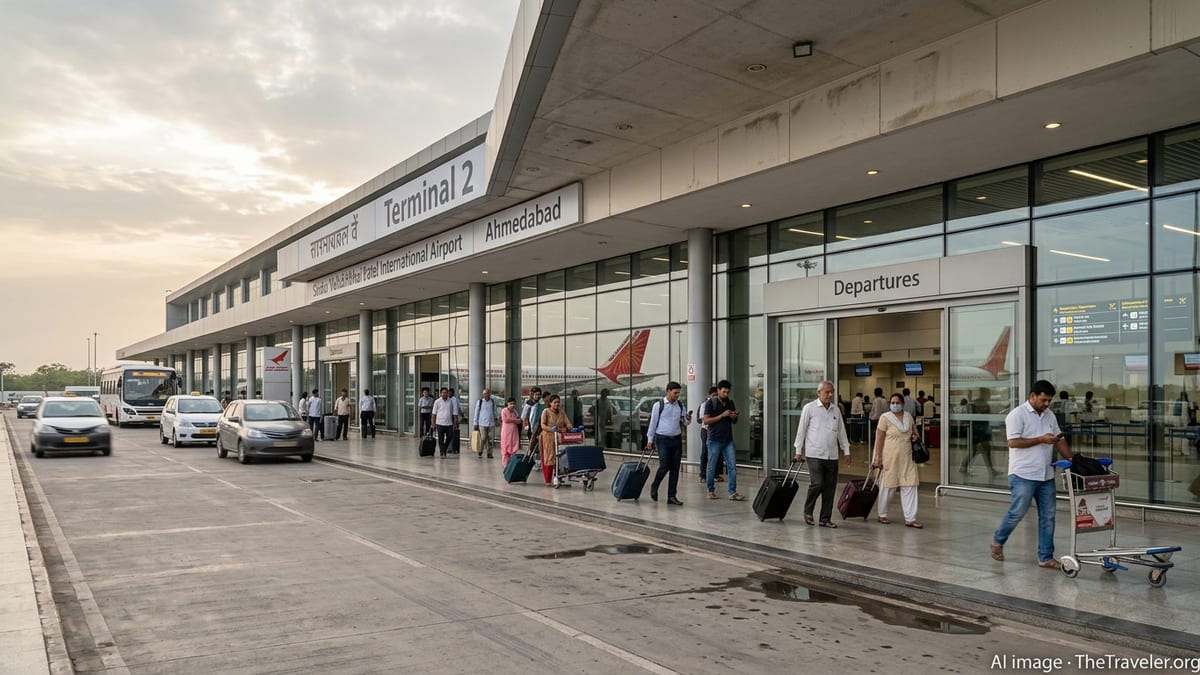
This image is AI-generated and does not depict any real-life event or location. It is a fictional representation created for illustrative purposes only.
Comprehensive Summarization:
The article highlights the pivotal role of tourism as a growth engine for India’s economy, as emphasized by NITI Aayog Vice Chairman Suman Bery during a recent gathering. Bery introduced the report ‘Divya Bharat: A Window to the Soul of India’, advocating for each state to develop world-class tourist destinations. He stressed the importance of promoting extended tourist stays, particularly in domestic and religious sectors, and called for stronger collaboration between central and state governments. The discussion also emphasized the need for data-driven policymaking and infrastructure improvements. The event was attended by industry leaders and academics, including organizations like Airbnb and the Indian Institute of Tourism and Travel Management, underscoring the collaborative effort towards enhancing the tourism sector.
Key Points:
Actionable Takeaways:
Invest in Infrastructure Improvements: Strengthening infrastructure is crucial for enhancing the tourism experience. This includes developing better transportation networks, accommodation facilities, and tourist attractions. This takeaway is relevant as it directly addresses the need for a robust infrastructure foundation to support the growth of the tourism sector.
Promote Extended Stays: Encouraging longer tourist stays can significantly boost economic benefits from tourism. By focusing on domestic and religious sectors, states can tap into a niche market that values cultural immersion and longer visits. This is particularly relevant in the context of India’s rich cultural heritage and religious tourism potential.
Foster Collaboration Between Governments: Collaboration between central and state governments is essential for effective policymaking and implementation. This takeaway underscores the importance of a unified approach to tourism development, leveraging the strengths of both levels of government to create a cohesive strategy.
Contextual Insights:
The article reflects the current emphasis on leveraging tourism as a key driver of economic growth in India. With the global travel industry recovering from the impacts of the COVID-19 pandemic, there is a renewed focus on revitalizing domestic tourism. The call for data-driven policymaking aligns with the broader trend of using technology and analytics to inform decision-making in the travel sector. Furthermore, the involvement of organizations like Airbnb and the Indian Institute of Tourism and Travel Management highlights the growing intersection of technology and tourism, suggesting that innovative solutions and partnerships will play a significant role in shaping the future of the industry. This context is crucial for understanding the strategic direction outlined in the article and its potential impact on the travel industry’s trajectory.
Read the Complete Article.
Experience the magic of the Nile aboard Kenzy Dahabeya, a luxury boutique sailing cruise that offers an unforgettable journey between...
Read moreDetails



