












Sail Through Time: Discover the Timeless Wonders of Upper Egypt Aboard Kenzy Dahabeya
Experience the magic of the Nile aboard Kenzy Dahabeya, a luxury boutique sailing cruise that offers an unforgettable journey between...
Read moreDetails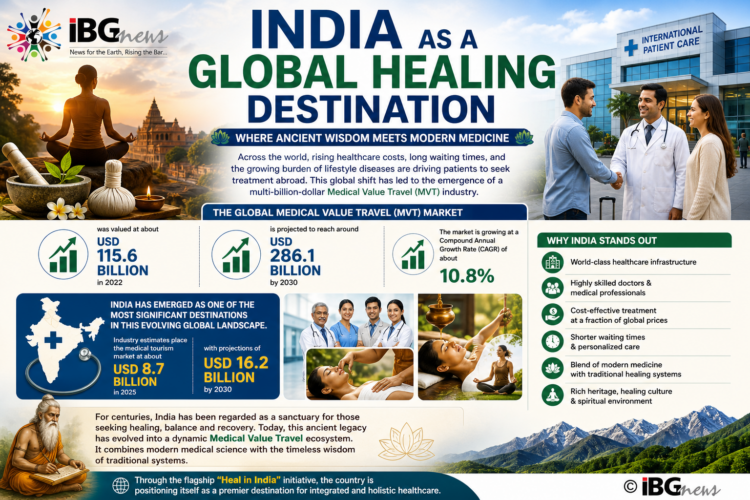
Medical Tourism in India
Comprehensive Summarization:
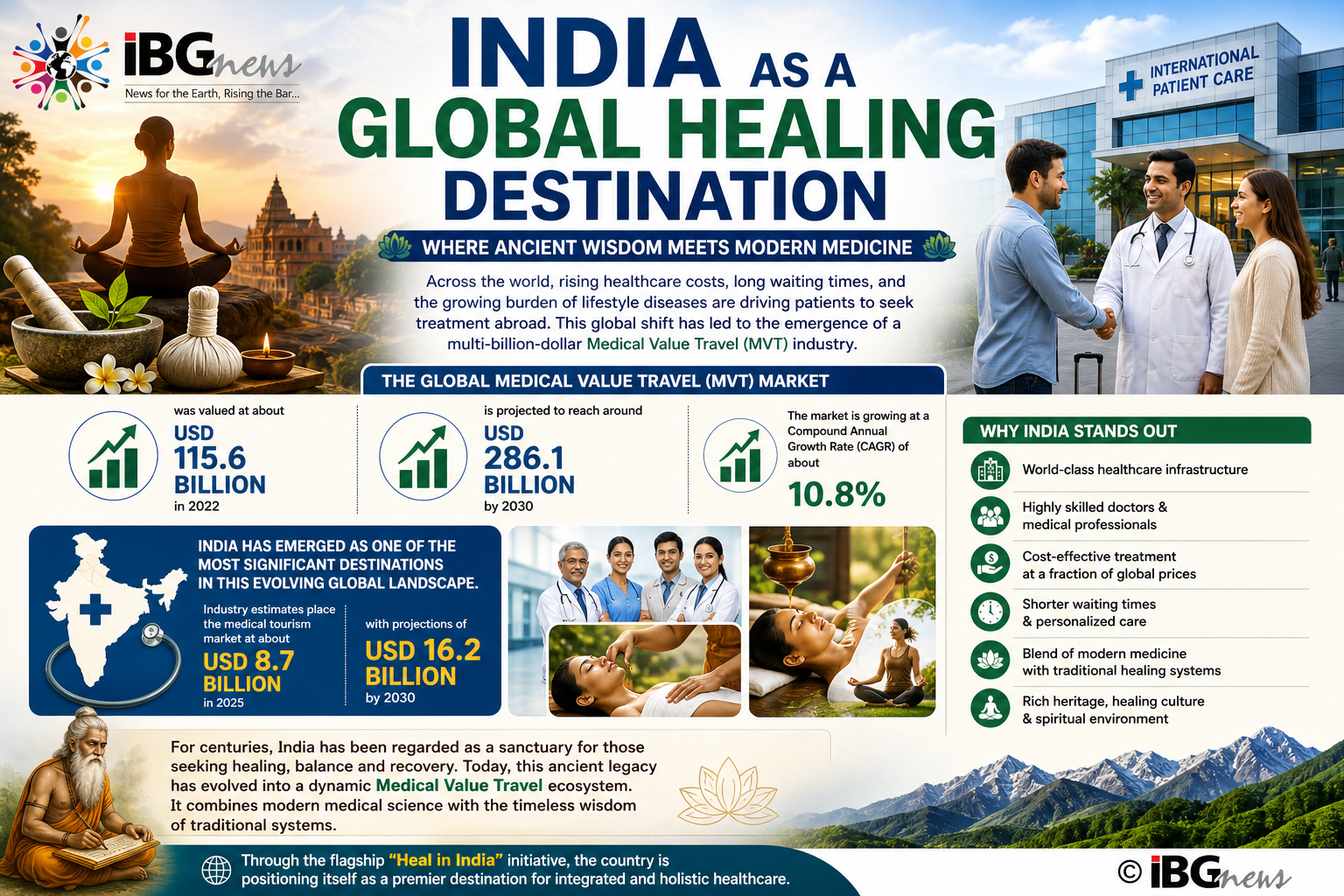
The article discusses India’s growing prominence as a hub for Medical and Wellness Tourism (MWT), leveraging advanced medical infrastructure alongside traditional wellness systems like AYUSH. The country’s emergence as a leading destination is supported by strong policy backing, digital facilitation, and initiatives such as the AYUSH Visa and the establishment of Regional Medical Hubs. The trend is fueled by escalating global healthcare expenses, prolonged waiting periods, and the increasing prevalence of lifestyle diseases, which are prompting international patients to seek affordable, high-quality treatment and preventive wellness solutions in India.
Key Points:
Actionable Takeaways:
Investment in Digital Health Infrastructure: With the emphasis on digital facilitation in MVT, there is a significant opportunity for travel tech companies to develop platforms that streamline patient journeys, from initial consultation to post-treatment care. This could include AI-driven patient matchmaking, virtual pre-treatment consultations, and real-time health monitoring post-treatment.
Leveraging AYUSH and Traditional Wellness Systems: The integration of AYUSH (Ayurveda, Yoga, Unani, Siddha, and Homeopathy) with modern medical practices presents a unique value proposition. Travel agencies and wellness startups could capitalize on this trend by curating wellness packages that combine cutting-edge medical treatments with traditional healing practices, appealing to a broader demographic seeking holistic care.
Policy and Regulatory Support: The supportive policy environment, including initiatives like the AYUSH Visa, underscores the importance of regulatory frameworks in fostering growth in the medical tourism sector. Stakeholders should advocate for policies that further simplify visa processes for medical tourists, enhance transparency in treatment costs, and ensure quality assurance standards are met across healthcare providers.
Contextual Insights:
The article reflects the current global trend towards healthcare cost optimization and the demand for holistic, patient-centric care. As healthcare expenses soar worldwide, countries like India are uniquely positioned to attract international patients seeking cost-effective yet high-quality medical solutions. The emphasis on digital facilitation and the integration of traditional wellness systems like AYUSH highlight a broader shift towards personalized, integrative healthcare models. This trend is likely to influence travel startups and fintech innovations, as they seek to develop solutions that enhance patient experience, streamline administrative processes, and ensure compliance with evolving regulatory standards. The focus on wellness tourism also aligns with the growing consumer preference for experiential travel, where health and wellness are integral components of the travel itinerary.
Read the Complete Article.
Experience the magic of the Nile aboard Kenzy Dahabeya, a luxury boutique sailing cruise that offers an unforgettable journey between...
Read moreDetails



