






Sail Through Time: Discover the Timeless Wonders of Upper Egypt Aboard Kenzy Dahabeya
Experience the magic of the Nile aboard Kenzy Dahabeya, a luxury boutique sailing cruise that offers an unforgettable journey between...
Read moreDetails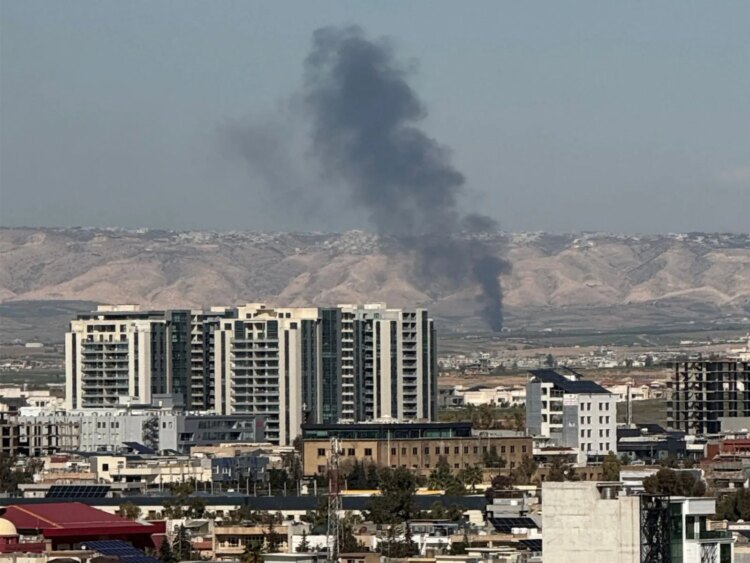
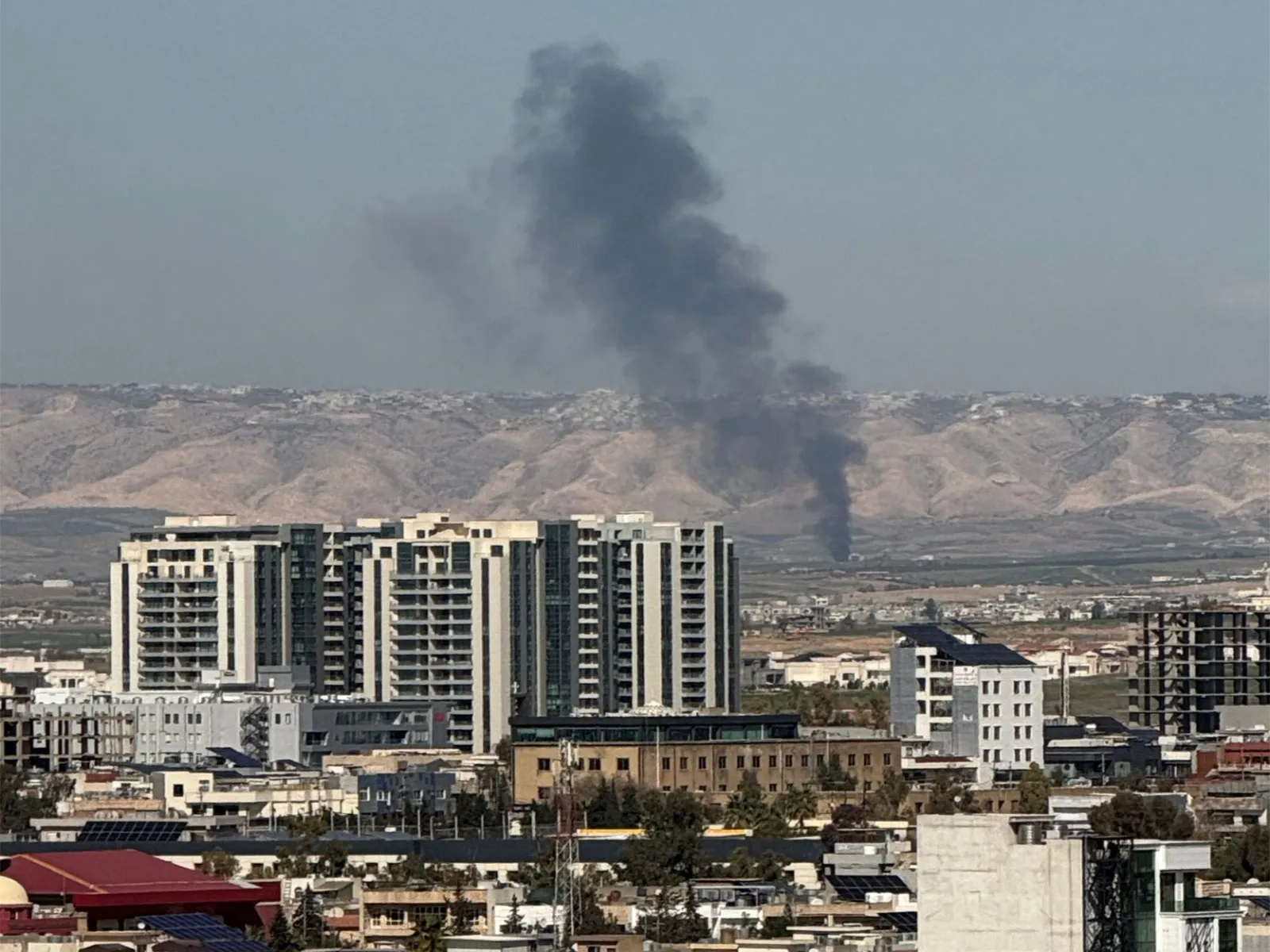
West Asia conflict hits aviation, tourism, inbound travel dips 15-20%, industry faces Rs 18,000 cr l...
Comprehensive Summarization:
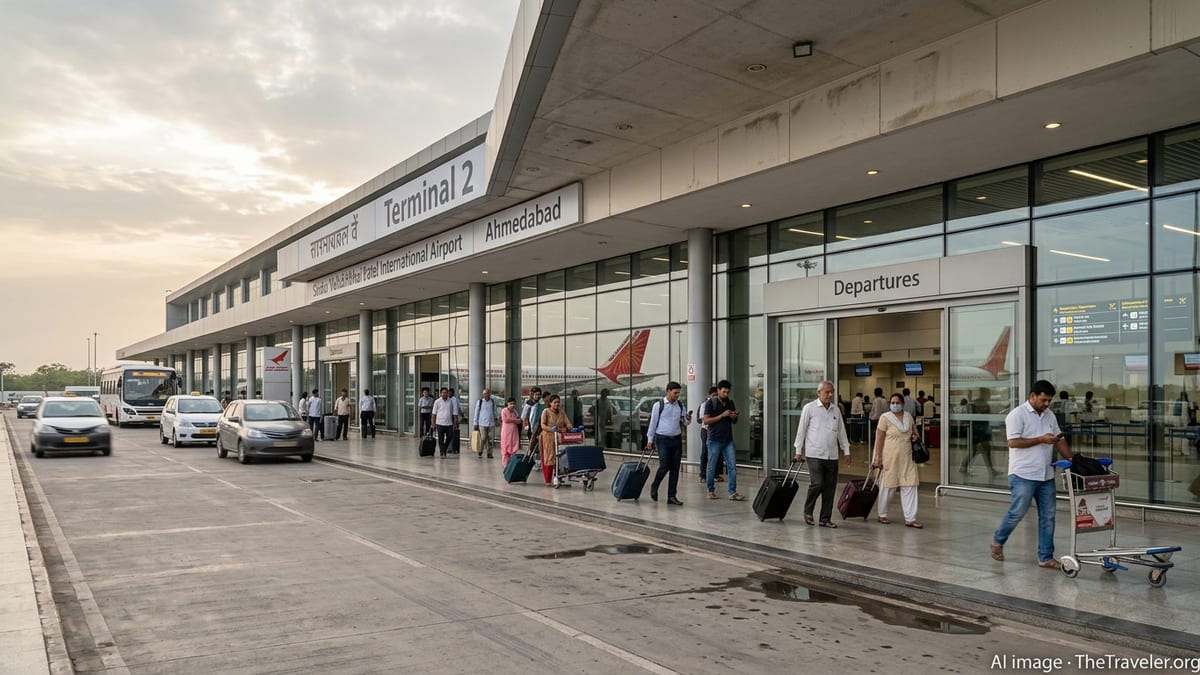
The article reports on the significant impact of the ongoing West Asia conflict on India’s aviation, tourism, and hospitality sectors. According to a report by the PHD Chamber of Commerce and Industry (PHDCCI), there has been a 15-20% decline in inbound tourist traffic, leading to an estimated net loss of Rs 18,000 crore for the aviation industry. Despite these challenges, strong domestic demand provides some stability. The tourism and hospitality sector, which contributes nearly 8% to India’s GDP and supports over 40 million jobs, continues to face disruptions. However, the report also highlights the resilience of the sector amidst the conflict.
Key Points:
Actionable Takeaways:
Diversification of Tourism Destinations: Given the decline in inbound tourist traffic due to the conflict, there is an opportunity for India to diversify its tourism offerings. By promoting less affected regions and unique cultural experiences, the country can attract tourists seeking alternative destinations, thereby mitigating the impact on the aviation and hospitality sectors.
Investment in Domestic Tourism Promotion: With strong domestic demand providing some stability, there is a need for increased investment in domestic tourism promotion. Leveraging digital marketing and innovative travel platforms can help showcase India’s diverse offerings, encouraging both domestic and international tourists to explore within the country.
Focus on Safety and Security Measures: The aviation industry’s significant loss highlights the need for enhanced safety and security measures. Implementing advanced security protocols and transparent communication about safety measures can rebuild traveler confidence, potentially leading to a gradual recovery in air travel.
Contextual Insights:
The article reflects the current challenges faced by the travel industry due to geopolitical tensions. The decline in inbound tourist traffic and the financial impact on the aviation sector underscore the vulnerability of the travel industry to external shocks. However, the resilience shown by the domestic demand segment suggests that there are opportunities for growth within the domestic market. The focus on diversification and investment in domestic tourism promotion aligns with current industry trends, emphasizing the importance of leveraging domestic strengths to offset external challenges. Furthermore, the emphasis on safety and security measures reflects the growing importance of traveler trust and confidence in the post-pandemic travel landscape. These insights are crucial for stakeholders in the travel industry to adapt their strategies and capitalize on emerging opportunities amidst ongoing global uncertainties.
Read the Complete Article.
Experience the magic of the Nile aboard Kenzy Dahabeya, a luxury boutique sailing cruise that offers an unforgettable journey between...
Read moreDetails



