





Sail Through Time: Discover the Timeless Wonders of Upper Egypt Aboard Kenzy Dahabeya
Experience the magic of the Nile aboard Kenzy Dahabeya, a luxury boutique sailing cruise that offers an unforgettable journey between...
Read moreDetailsComprehensive Summarization:
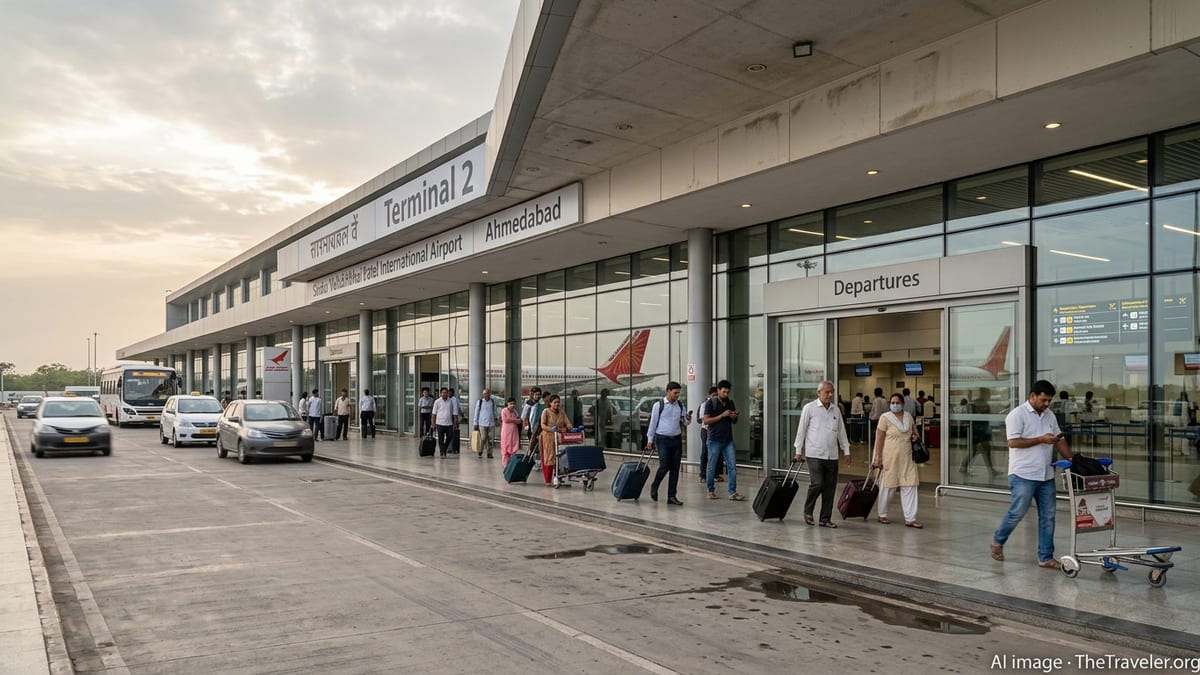
The article reports a decline in inbound tourism to India by approximately 10-15% due to the ongoing West Asia crisis. This decline is particularly noticeable in the meetings, incentives, conferences, and exhibitions (MICE) travel and metro hotel segments. Anil Parashar, Chair of the Tourism & Hospitality Committee at PHDCCI, highlighted this trend during an interview with ANI. The article also touches upon the current state of the Indian tourism season, which is largely over, yet the MICE events have experienced a significant hit. The focus is on providing a factual account of the situation, emphasizing the impact on specific travel segments and the broader industry context.
Key Points:
Actionable Takeaways:
Adjust Marketing Strategies for MICE Events: Given the significant decline in MICE travel, travel companies should consider adjusting their marketing strategies to target alternative segments or offer specialized packages that cater to the remaining demand. This could include focusing on corporate travel, virtual conferences, or niche tourism segments that are less affected by the crisis.
Leverage Digital Platforms for Outreach: With the decline in traditional travel segments, there is an opportunity to leverage digital platforms for outreach. Companies can invest in online marketing, virtual events, and digital content to engage potential customers who are still interested in travel but are seeking safe and innovative options.
Monitor and Adapt to Market Conditions: The ongoing crisis highlights the importance of monitoring market conditions and being adaptable. Travel companies should keep a close eye on geopolitical developments and adjust their offerings accordingly to meet the evolving needs of travelers.
Contextual Insights:
The decline in inbound tourism to India, particularly in the MICE segment, reflects broader trends in the travel industry affected by geopolitical tensions. The focus on MICE events underscores the sensitivity of the travel sector to external factors such as regional conflicts. This situation is indicative of a larger trend where travel companies are increasingly reliant on digital solutions to maintain engagement with customers. The article aligns with current industry trends emphasizing the need for flexibility, digital innovation, and risk management in travel planning. As the crisis evolves, the travel industry must remain agile, adapting to new challenges while capitalizing on opportunities presented by digital transformation and changing consumer behaviors.
Read the Complete Article.
Experience the magic of the Nile aboard Kenzy Dahabeya, a luxury boutique sailing cruise that offers an unforgettable journey between...
Read moreDetails



