












Comprehensive Summarization:
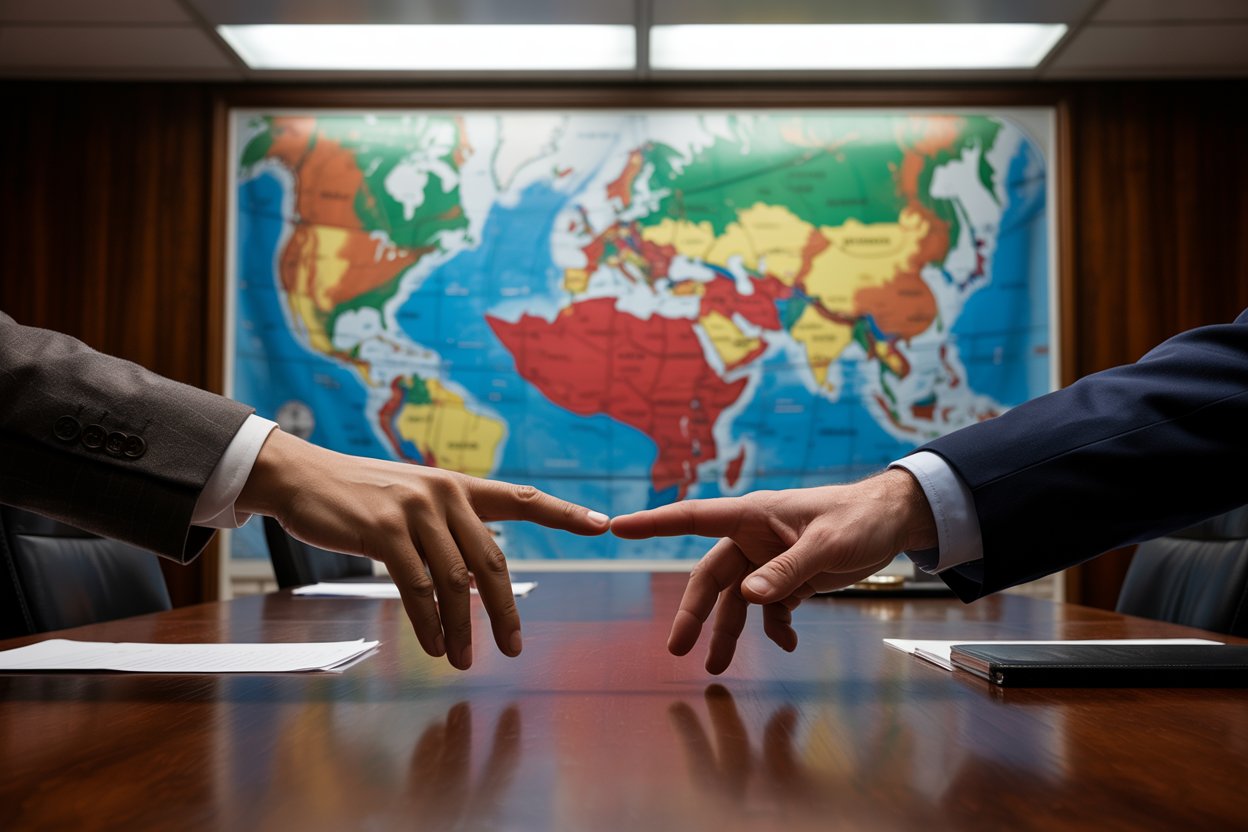
The article reports on the halt of peace negotiations between Iran and the United States in Islamabad, Pakistan, which has sparked global tourism disruption. This diplomatic setback raises concerns over deeper conflict, potential safety issues, and impacts on international travel and the global tourism industry. The talks, which were significant for regional stability and tourism, have concluded without an agreement, indicating a possible escalation in tensions and a negative ripple effect on travel and tourism sectors worldwide.
Key Points:
- Peace negotiations between Iran and the United States in Islamabad have concluded without an agreement.
- The halt of these talks raises fears of deeper conflict and significant disruption to regional safety and international travel.
- The tourism industry faces potential negative impacts due to the diplomatic setback, indicating a possible downturn in global tourism.
Actionable Takeaways:
-
Impact on Tourism Industry: The halt of peace talks between Iran and the United States could lead to a significant downturn in global tourism. Travelers may become more cautious about visiting regions with heightened political tensions, leading to reduced tourist arrivals and economic losses for the tourism sector. Relevance: This takeaway is crucial for travel companies and tourism boards to anticipate potential declines in visitor numbers and adjust their strategies accordingly.
-
Regional Safety Concerns: The diplomatic setback increases concerns over regional safety, which could deter both leisure and business travelers from visiting the affected regions. Relevance: For travel agencies and hospitality providers, this highlights the need for enhanced safety measures and communication strategies to reassure potential travelers about the safety of their destinations.
Contextual Insights:
The halt of peace talks between Iran and the United States is a significant diplomatic setback with far-reaching implications for the global tourism industry. Recent trends indicate a growing sensitivity among travelers towards regions with political instability. Thought leaders in the travel industry have been emphasizing the importance of risk assessment and contingency planning in response to geopolitical developments. This article aligns with these trends by highlighting how diplomatic tensions can directly impact travel safety and consumer confidence. Relevance: Understanding the interconnectedness of global politics and tourism can help industry stakeholders proactively manage risks and capitalize on opportunities in emerging markets. For instance, travel companies may explore diversifying their offerings to regions with lower political risks or invest in digital marketing to attract travelers who prioritize safety and stability in their travel choices.
Read the Complete Article.


