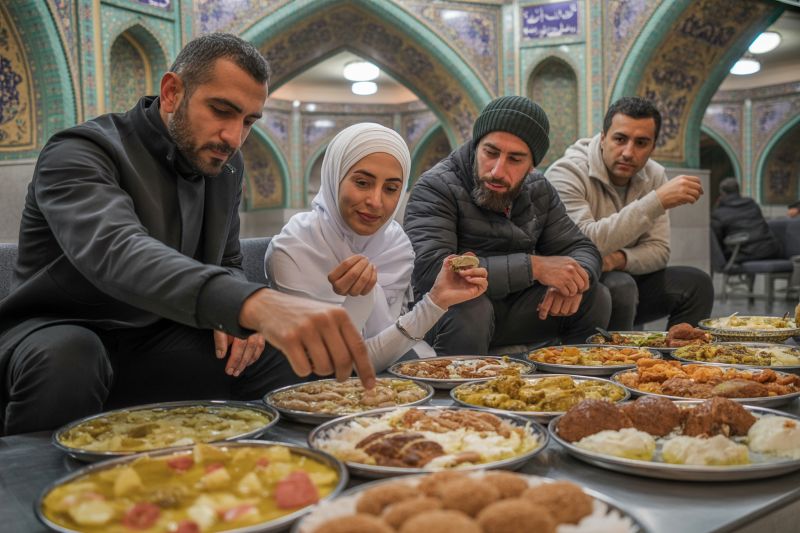












Iran is presented as a culinary destination offering a taste of Persian tradition, inviting travelers to explore its rich and diverse flavors. The article highlights the significance of food in Iranian culture, serving as a central element of social gatherings and hospitality.
The Iranian diet is described as generally healthy, with a focus on fresh ingredients, aromatic spices, and diverse cooking techniques. The country’s cuisine is influenced by its history and geography, reflecting a blend of different regional tastes and traditions.
A core aspect of Persian cuisine is the use of aromatic spices and herbs. These are integral to creating the distinctive flavors found in Iranian dishes. Fresh herbs, saffron, cardamom, and cinnamon are frequently mentioned as key components.
Rice, often referred to as “polo,” is a staple food in Iran. It is prepared in various ways, from simple steamed rice to elaborate dishes with added ingredients like fruits, nuts, and meats. The preparation of rice is considered an art form in Iran.
Kebabs are another prominent feature of Iranian cuisine. These grilled meats, often marinated, are popular across the country. Different regions may offer their unique variations of kebabs.
Beyond kebabs and rice, Persian cuisine includes a wide array of stews, known as “khoresh.” These slow-cooked dishes often combine meat or poultry with vegetables, fruits, and spices, served with rice. Examples mentioned include “Fesenjan,” a rich walnut and pomegranate stew, and “Ghormeh Sabzi,” a flavorful herb stew.
The article also touches upon Iranian bread, which plays a vital role in meals, alongside a variety of appetizers and desserts. Sweets and pastries, often flavored with rosewater and cardamom, are a popular way to conclude a meal.
The experience of dining in Iran is characterized by generosity and hospitality. Sharing food is a deeply ingrained cultural practice, and visitors are often treated to home-cooked meals and a warm welcome. Exploring Iran’s culinary landscape is presented as a way to understand its cultural heritage and connect with its people.
Key Points
Read the Complete Article.


