











Comprehensive Summarization:
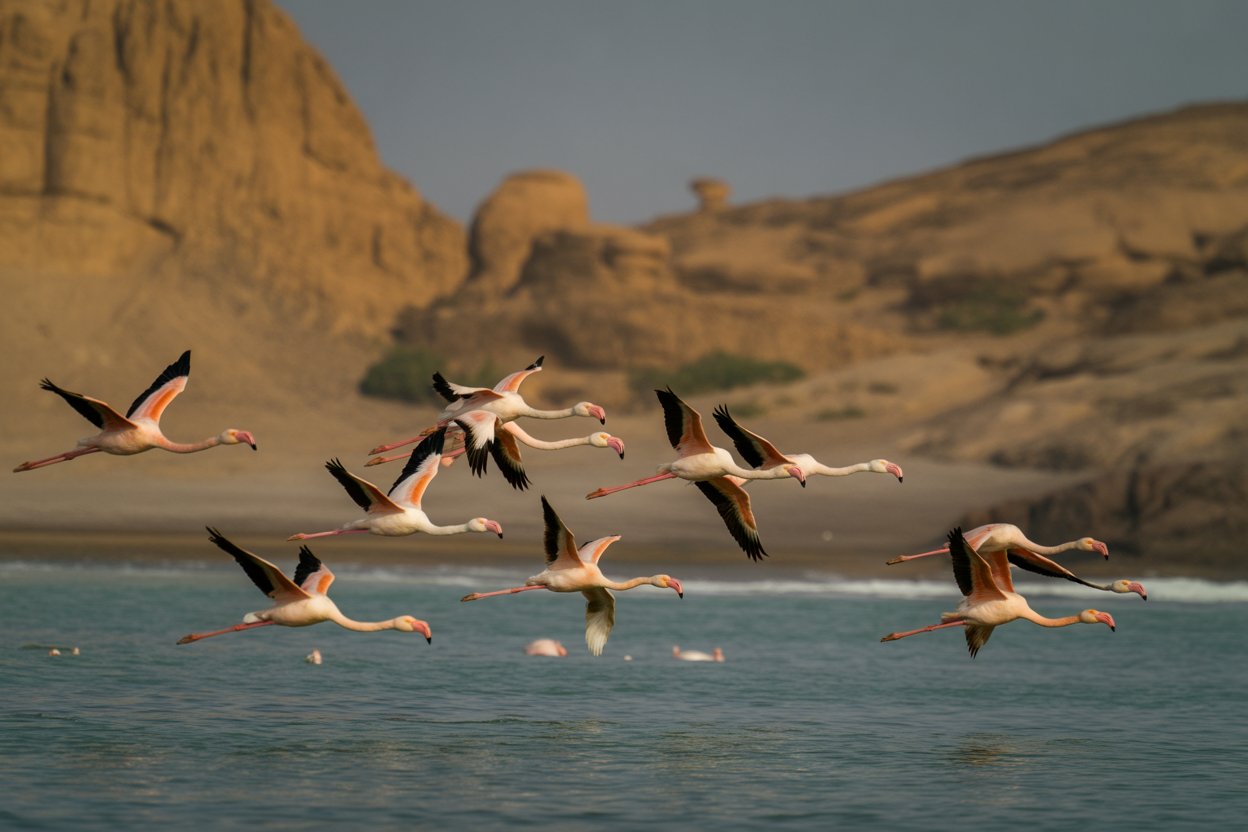
The article highlights the Makran coast in southern Iran as an emerging key eco-tourism destination, particularly due to the winter migration of over 2,000 flamingos to the region. This natural phenomenon has attracted a growing number of tourists interested in nature-based tourism, positioning the Makran coast as a significant player in Iran’s travel industry. The article underscores the unique ecological value of the area and its potential to attract eco-tourists, contributing to the region’s tourism economy.
Key Points:
- The Makran coast in southern Iran has become a burgeoning eco-tourism destination.
- Over 2,000 flamingos have migrated to the region for the winter season, making it a prime spot for nature-based tourism.
- The influx of flamingos has attracted tourists interested in observing and experiencing the natural spectacle of flamingo migration.
- The article emphasizes the ecological significance of the Makran coast, positioning it as a unique and valuable tourist attraction.
Actionable Takeaways:
-
Investment in Eco-Tourism Infrastructure: Given the growing interest in the Makran coast as an eco-tourism destination, there is an opportunity for stakeholders to invest in developing eco-friendly infrastructure and facilities to support the increasing number of tourists. This could include eco-lodges, guided tours, and educational programs about flamingo migration, thereby enhancing the visitor experience while promoting sustainable tourism practices.
-
Leveraging Flamingo Migration for Marketing: Tour operators and travel agencies can leverage the unique spectacle of flamingo migration to market the Makran coast as a must-visit destination. By highlighting this natural phenomenon in promotional materials, they can attract eco-tourists and differentiate their offerings in a competitive market. This strategy aligns with current travel trends emphasizing unique and experiential travel opportunities.
-
Promoting Conservation Efforts: The article underscores the ecological importance of the flamingo migration. Stakeholders can capitalize on this by promoting conservation efforts and raising awareness about the importance of preserving the natural habitats of flamingos. This could involve partnerships with environmental organizations, educational campaigns, and the development of eco-certified tourism packages that support conservation initiatives.
Contextual Insights:
The emergence of the Makran coast as a key eco-tourism destination reflects broader trends in the travel industry towards nature-based tourism and sustainable travel practices. Recent years have seen a significant shift in traveler preferences, with a growing emphasis on experiences that offer connection with nature and contribute positively to the environment. The migration of flamingos to the Makran coast not only provides a unique tourist attraction but also aligns with these evolving trends.
Moreover, the article’s focus on eco-tourism underscores the increasing importance of sustainability in travel. As travelers become more environmentally conscious, destinations that offer unique natural experiences while prioritizing conservation are likely to gain traction. This context suggests that the Makran coast’s rise as an eco-tourism hotspot is not just a fleeting trend but a reflection of a larger shift in the travel industry towards responsible and sustainable tourism practices.
In conclusion, the Makran coast’s emergence as a key eco-tourism destination, driven by the winter migration of flamingos, presents a compelling opportunity for stakeholders in the travel industry. By investing in eco-tourism infrastructure, leveraging the spectacle of flamingo migration for marketing, and promoting conservation efforts, they can capitalize on this trend to enhance tourism offerings and contribute to the sustainable development of the region.
Read the Complete Article.


