











Comprehensive Summarization:
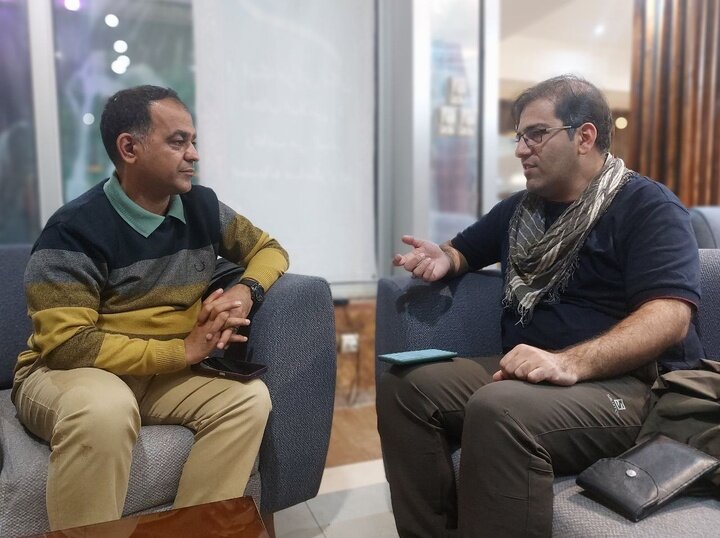
The article discusses Iran’s natural heritage, highlighting its integral role in the country’s national identity. However, it points out that this heritage remains poorly defined, under-prioritized, and constrained by institutional conflicts. Reza Ali-Asl, an expert on the registration of natural heritage sites, provides insight into the various components of Iran’s natural monuments, which include protected areas, wildlife refuges, wetlands, old trees, and special plant and animal species. The responsibility for these sites is divided among different departments, indicating a lack of cohesive management and prioritization. This situation reflects broader challenges in the travel industry, particularly in sectors related to natural and cultural tourism, where effective management and prioritization of heritage sites can significantly impact visitor experiences and sustainable tourism practices.
Key Points:
- Iran’s natural heritage is a crucial part of the country’s national identity but is currently poorly defined and under-prioritized.
- Natural monuments in Iran include protected areas, wildlife refuges, wetlands, old trees, and special plant and animal species.
- Responsibility for these natural monuments is divided among various departments, leading to institutional conflicts and constraints.
- Reza Ali-Asl, an expert on the registration of natural heritage sites, emphasizes the need for better definition and prioritization of Iran’s natural heritage.
Actionable Takeaways:
-
Enhanced Coordination Among Departments: To effectively manage and prioritize Iran’s natural heritage, there is a need for enhanced coordination and collaboration among the departments responsible for these sites. This could involve creating a unified body or committee dedicated to overseeing the preservation and promotion of natural monuments, ensuring a cohesive approach to their management and prioritization.
-
Investment in Heritage Site Management: Given the under-prioritization of Iran’s natural heritage, there is a clear opportunity for increased investment in the management and preservation of these sites. This could involve allocating more resources, both financial and human, to improve infrastructure, conduct regular assessments, and implement sustainable tourism practices that protect these sites while allowing visitors to experience them.
-
Promotion of Natural Heritage in Travel Itineraries: Travel agencies and tourism boards should actively promote Iran’s natural heritage as a key component of the country’s travel offerings. By highlighting the unique natural monuments and their significance, they can attract more eco-conscious travelers who are interested in experiencing and supporting the preservation of natural heritage sites. This could also drive demand for specialized travel services focused on natural and cultural tourism, creating new opportunities for startups and businesses in the travel tech sector.
Contextual Insights:
The article’s context is rooted in the broader challenges faced by the travel industry in managing and promoting natural and cultural heritage sites. In recent years, there has been a growing emphasis on sustainable tourism practices, which prioritize the preservation of natural and cultural assets while providing enriching experiences for travelers. The current situation in Iran underscores the importance of addressing institutional conflicts and improving the definition and prioritization of natural heritage sites. This aligns with emerging trends in the travel industry, such as the rise of eco-tourism and the increasing consumer demand for authentic, culturally rich travel experiences. Thought leaders in the travel sector are advocating for more integrated approaches to tourism management, where heritage preservation is a core component of destination marketing and visitor engagement strategies. By addressing the issues highlighted in the article, the travel industry can not only enhance the visitor experience but also contribute to the long-term sustainability of natural and cultural assets, ensuring they remain valuable resources for future generations.
Read the Complete Article.


