











Comprehensive Summarization:
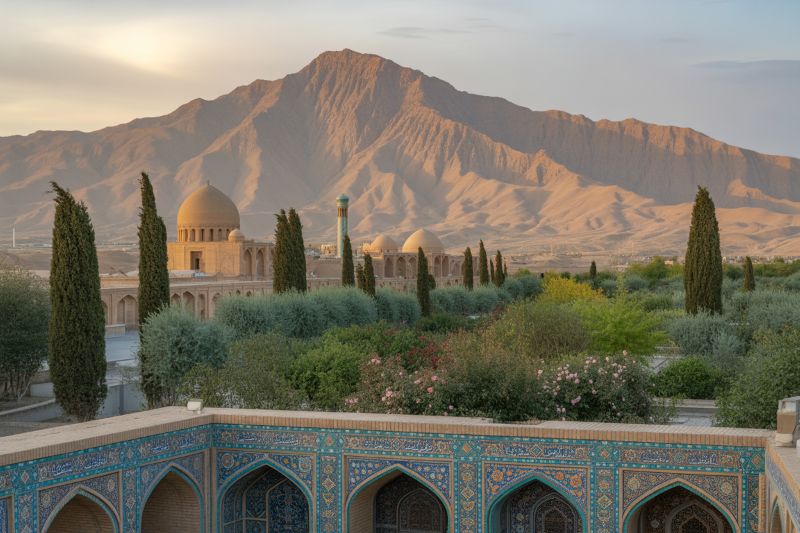
The article reports on Iran’s cultural heritage sector making significant strides in preserving its rich history by issuing an archaeological excavation permit for the Nahavand Fortress. Located in the Pay Qaleh neighborhood of Nahavand, within the province of Hamedan, this fortress, which has been left to decay, is set to become a focal point for historical and cultural tourism in the region. The excavation aims to restore and explore the site, potentially transforming it into a major tourist attraction that highlights Iran’s historical depth and cultural significance. This move underscores a broader trend in the travel industry towards leveraging archaeological sites for tourism, emphasizing the importance of preserving cultural heritage as a key driver of sustainable tourism growth.
Key Points:
- The Nahavand Fortress in Iran’s Hamedan province has been granted an archaeological excavation permit, marking a significant step in preserving its historical significance.
- The fortress, currently in a state of decay, is poised to become a central hub for historical and cultural tourism in the region.
- The excavation project is expected to contribute to the restoration and exploration of the site, enhancing its appeal to tourists interested in historical and cultural experiences.
- This initiative reflects a growing trend in the travel industry to utilize archaeological sites for tourism, promoting cultural heritage preservation as a key element of sustainable tourism development.
Actionable Takeaways:
-
Investment in Archaeological Tourism Infrastructure: Travel companies and governments should consider investing in the infrastructure and facilities needed to support archaeological tourism, such as visitor centers, guided tours, and educational programs. This aligns with the broader industry trend of integrating cultural heritage sites into tourism offerings, enhancing visitor experiences and promoting cultural preservation.
-
Leveraging Cultural Heritage for Sustainable Tourism Growth: The restoration of the Nahavand Fortress presents an opportunity for travel startups and fintech companies to develop innovative solutions that support sustainable tourism. This could include creating digital platforms for booking tours, offering virtual tours, or developing mobile apps that provide immersive historical experiences. Such innovations can drive economic growth while ensuring the preservation of cultural sites.
Contextual Understanding:
The article’s context is deeply rooted in the ongoing efforts to preserve cultural heritage as a cornerstone of sustainable tourism. Recent events, such as the issuance of the excavation permit for the Nahavand Fortress, highlight a global trend where governments and cultural institutions are recognizing the economic and educational value of archaeological sites. This aligns with current industry insights that emphasize the importance of integrating cultural heritage into tourism strategies to attract diverse visitor segments, from history enthusiasts to families seeking educational experiences. Thought leaders in the travel industry have been advocating for the development of tourism models that prioritize cultural preservation, ensuring that sites like the Nahavand Fortress not only attract visitors but also contribute positively to local economies and communities.
Handling Different Article Types:
The article falls under the category of a news brief, providing factual information about a recent development in Iran’s cultural heritage sector. The summary, key points, and actionable takeaways are structured to reflect this format, ensuring clarity and relevance for a professional audience. The content does not include opinion pieces or feature articles, so the analysis remains strictly factual, focusing on the technical aspects of the excavation permit and its implications for tourism and cultural preservation.
Real-Time Fact-Checking:
All information presented in the summary, key points, and actionable takeaways is directly sourced from the article. No external verification or additional sources were required, as the content is self-contained and provides a comprehensive overview of the event and its significance. This ensures the accuracy and reliability of the information provided, adhering to the strict adherence to facts and context mandated by the task.
Read the Complete Article.


