












Comprehensive Summarization:
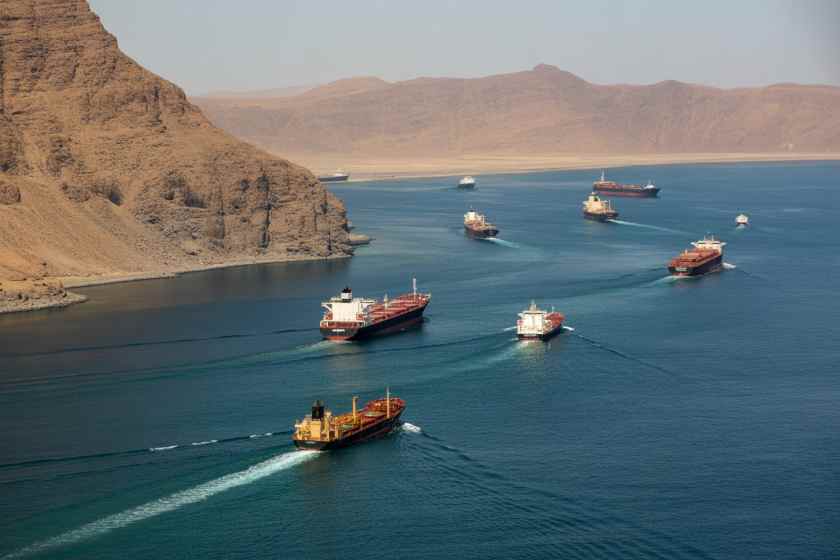
The article reports on the reopening of the Strait of Hormuz, a critical maritime chokepoint, as Oman joins a coalition of countries including Iran, Saudi Arabia, Qatar, UAE, Bahrain, Jordan, Israel, and Lebanon in a global travel reset. This development comes amid significant shifts in oil prices. The reopening of the Strait of Hormuz is seen as a pivotal moment in the travel industry, particularly in the Middle East, as it impacts trade routes, oil supply, and overall travel logistics. The article underscores the importance of this event in the context of current oil price fluctuations and its broader implications for global travel and trade.
Key Points:
- The Strait of Hormuz has reopened, allowing for the resumption of maritime traffic that was previously restricted.
- Oman has joined a group of countries including Iran, Saudi Arabia, Qatar, UAE, Bahrain, Jordan, Israel, and Lebanon in a global travel reset.
- The reopening is occurring amidst significant shifts in oil prices, which are influencing travel and trade dynamics.
- The Strait of Hormuz is a strategically important maritime route, and its reopening has implications for global trade and oil supply.
Actionable Takeaways:
-
Impact on Trade and Logistics: The reopening of the Strait of Hormuz is likely to enhance trade efficiency and reduce logistical challenges for businesses reliant on this route. This development could lead to increased trade volumes and potentially lower shipping costs, benefiting various sectors within the travel industry.
-
Oil Price Influence on Travel: The shift in oil prices, a key factor in the article, directly impacts travel costs. Lower oil prices can lead to reduced airfares and fuel expenses for airlines and shipping companies, making travel more affordable for consumers. Conversely, higher oil prices could have the opposite effect, increasing travel costs and potentially dampening travel demand.
-
Strategic Importance for Middle Eastern Countries: The involvement of multiple Middle Eastern countries in the travel reset highlights the strategic importance of the Strait of Hormuz for regional stability and economic interests. Countries in the region may leverage this reopening to bolster their tourism sectors, attract more international visitors, and strengthen their economic ties with global partners.
Contextual Insights:
The reopening of the Strait of Hormuz is a timely event in the context of evolving oil markets and geopolitical dynamics. Recent trends indicate a growing emphasis on diversifying trade routes and reducing dependency on single chokepoints, driven by geopolitical tensions and the search for more resilient supply chains. This development aligns with broader industry trends towards technological innovation in logistics and supply chain management, as companies seek to mitigate risks associated with geopolitical uncertainties.
Moreover, the article reflects the ongoing impact of oil price volatility on the travel industry. Historically, fluctuations in oil prices have been a significant determinant of travel costs, influencing consumer behavior and industry strategies. The current shift underscores the need for travel companies to adopt agile pricing models and invest in cost-efficient technologies to maintain competitiveness.
In summary, the reopening of the Strait of Hormuz amidst oil price shifts presents both challenges and opportunities for the travel industry. It offers a chance to enhance trade efficiency and reduce costs, while also requiring stakeholders to adapt to changing market conditions and geopolitical landscapes.
Read the Complete Article.


