












Comprehensive Summarization:
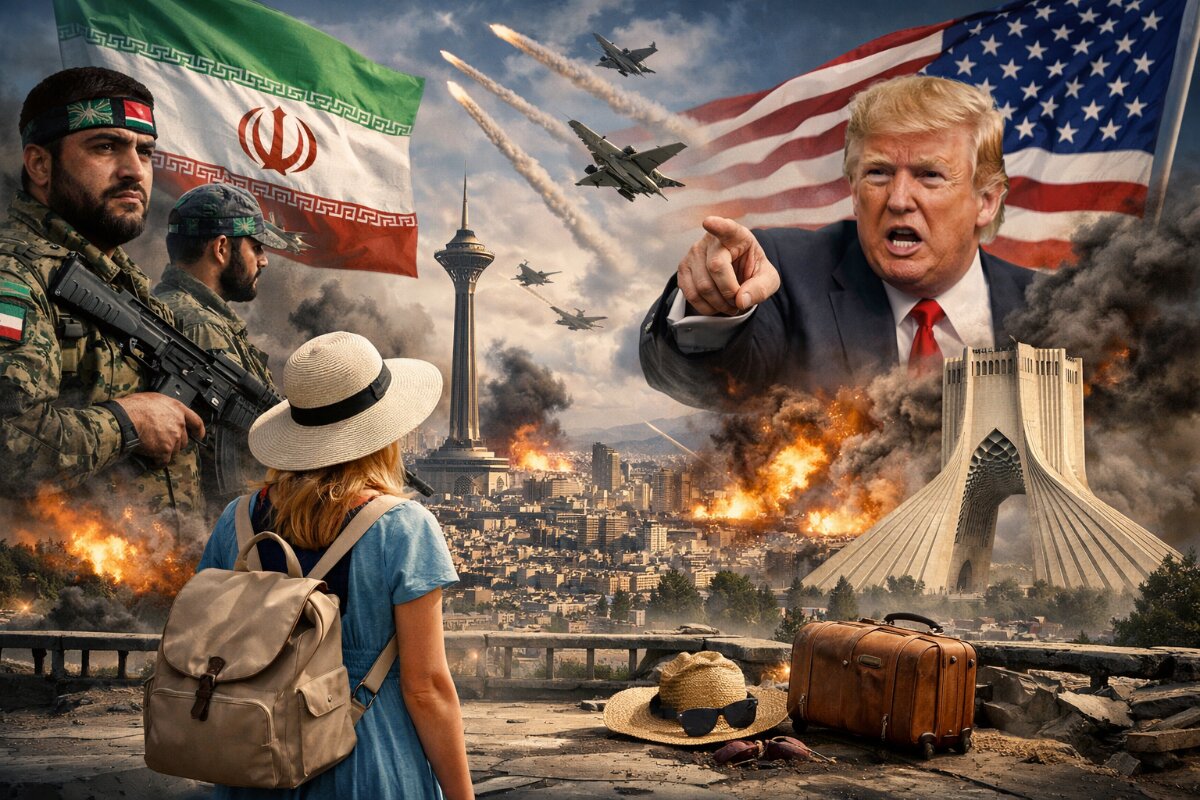
The article from Travel and Tour World, published on April 2, 2026, discusses the escalating tensions between the United States and Iran, following President Donald Trump’s recent address on April 1, 2026. Trump vowed that the U.S. would take “extreme measures” in response to the ongoing war. This escalation has prompted Tehran to warn of a broader conflict. The geopolitical situation in the Middle East is thus becoming increasingly volatile, with significant implications for international travel and tourism. The article highlights the potential impact of this heightened tension on travel safety, destination choices, and the overall tourism industry in the region.
Key Points:
- Escalating US-Iran Tensions: President Donald Trump’s recent comments on the war have led to increased tensions between the U.S. and Iran.
- Threat of Broader Conflict: Tehran has warned of a broader conflict, indicating a significant escalation in the existing tensions.
- Impact on Tourism: The escalating situation poses potential risks to international travel and tourism in the Middle East, affecting safety, destination choices, and industry stability.
Actionable Takeaways:
-
Risk Assessment for Travelers: Travelers should reassess their travel plans to the Middle East due to the heightened geopolitical tensions. This includes monitoring official travel advisories and considering alternative destinations to mitigate risks.
-
Industry Preparedness: Tourism businesses and travel agencies should prepare contingency plans to address potential disruptions in travel due to the escalating conflict. This may involve adjusting itineraries, enhancing safety protocols, and communicating with clients about potential risks.
-
Investment in Risk Management: Stakeholders in the travel industry should invest in robust risk management strategies to navigate the volatile geopolitical landscape. This includes leveraging technology for real-time risk assessment and communication tools to keep stakeholders informed.
Contextual Understanding:
The article is set against the backdrop of heightened geopolitical tensions between the U.S. and Iran, with President Trump’s recent address signaling a potential for further conflict. This context is crucial for understanding the implications for the travel industry, as safety and stability are paramount concerns for travelers. The article also touches on the broader theme of how international relations can impact travel trends, a topic increasingly relevant in today’s interconnected world. Insights from thought leaders suggest that such geopolitical shifts can lead to shifts in travel patterns, with some destinations becoming less attractive while others may see increased interest as people seek safer travel options.
Handling Different Article Types:
The article in question is a news blurb, providing a concise overview of a significant geopolitical event and its potential impact on the travel industry. The structured approach outlined ensures that even such brief articles can be transformed into actionable insights, maintaining relevance and clarity for a professional audience.
Read the Complete Article.


