



Sail Through Time: Discover the Timeless Wonders of Upper Egypt Aboard Kenzy Dahabeya
Experience the magic of the Nile aboard Kenzy Dahabeya, a luxury boutique sailing cruise that offers an unforgettable journey between...
Read moreDetails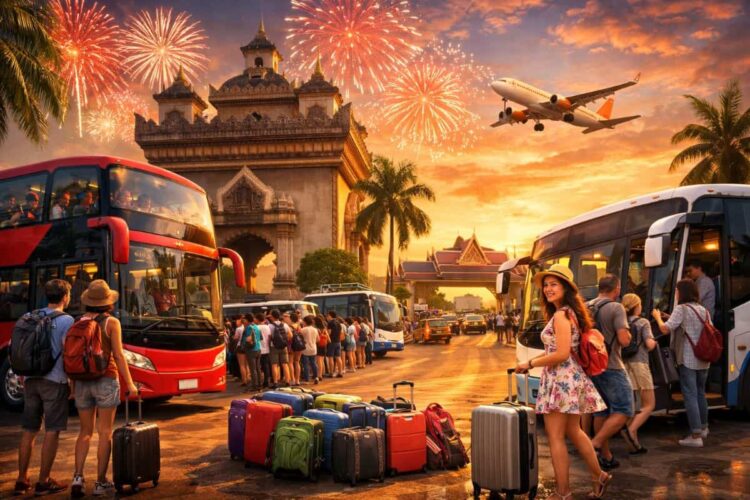
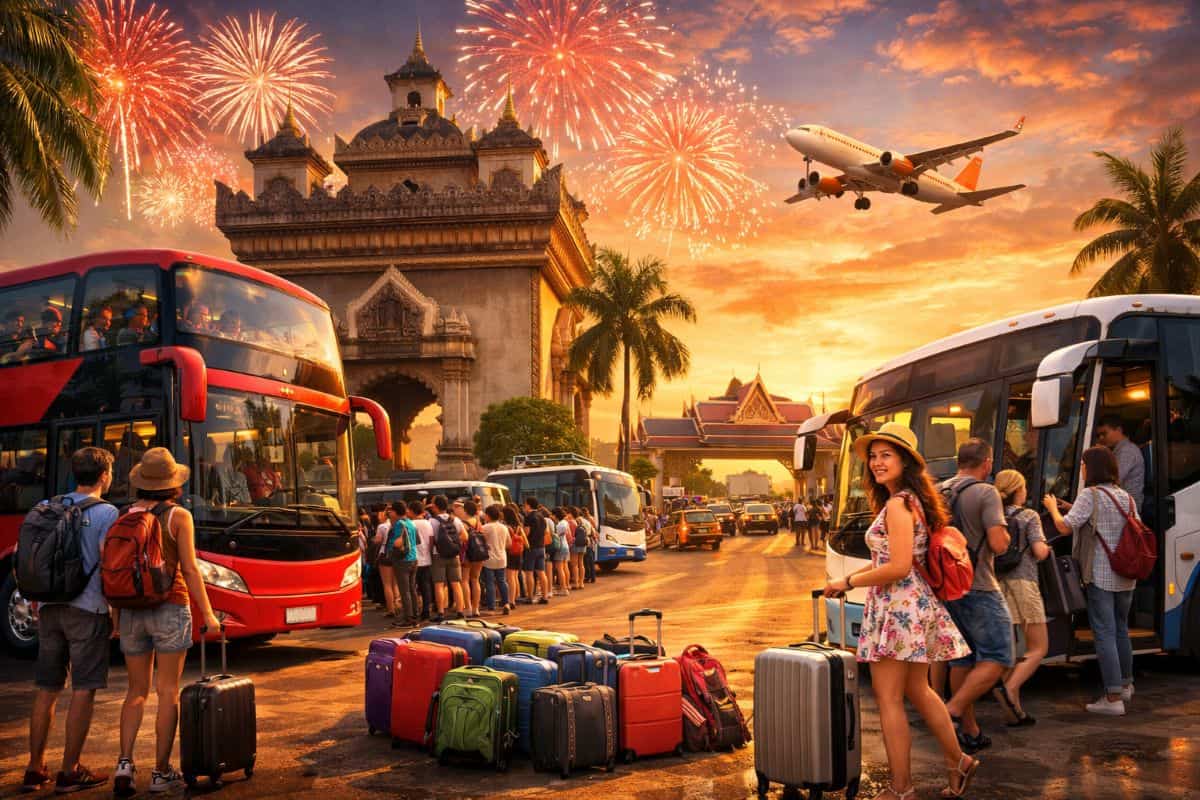
Explosive Travel Surge Shakes Vientiane As Lao New Year Rush Forces Massive Bus Expansion And Opens ...
Comprehensive Summarization:
The article reports on a significant travel surge in Vientiane, Laos, as the country gears up for the nationwide celebrations of the Lao New Year 2026, also known as Pi Mai. This festival, one of Southeast Asia’s most vibrant and culturally significant events, has prompted authorities to expand the operations of the Southern Bus Terminal to manage the anticipated influx of domestic and international travelers. The expansion aims to stabilize transport flow and support the momentum of tourism during this peak period. The article highlights the urgency of these measures in response to the festival’s potential impact on the local transport infrastructure and tourism industry.
Key Points:
Actionable Takeaways:
Transport Infrastructure Expansion: The expansion of the Southern Bus Terminal’s operations is a proactive measure to handle the increased travel demand during the Lao New Year 2026. This development underscores the importance of scalable transport solutions in managing tourism surges and maintaining operational efficiency in peak travel seasons.
Strategic Planning for Cultural Events: The article demonstrates the importance of strategic planning in the travel industry, particularly in anticipating and preparing for large-scale cultural events. Authorities and transport operators must anticipate such events to ensure smooth operations and enhance the travel experience for tourists.
Contextual Insights:
The surge in travel activity in Vientiane is closely tied to the Lao New Year 2026, a major cultural event that significantly impacts the region’s tourism landscape. This event not only attracts domestic tourists but also international visitors, highlighting the interconnectedness of cultural festivals and travel trends. The article reflects broader industry trends where cultural and seasonal events drive travel demand, necessitating adaptive strategies from transport operators and tourism stakeholders. Furthermore, the emphasis on expanding transport infrastructure aligns with current industry practices of leveraging technology and logistics to manage travel surges effectively. This approach not only ensures operational stability but also enhances the overall travel experience, making it a critical consideration for travel industry professionals.
Read the Complete Article.
Experience the magic of the Nile aboard Kenzy Dahabeya, a luxury boutique sailing cruise that offers an unforgettable journey between...
Read moreDetails



