



Sail Through Time: Discover the Timeless Wonders of Upper Egypt Aboard Kenzy Dahabeya
Experience the magic of the Nile aboard Kenzy Dahabeya, a luxury boutique sailing cruise that offers an unforgettable journey between...
Read moreDetails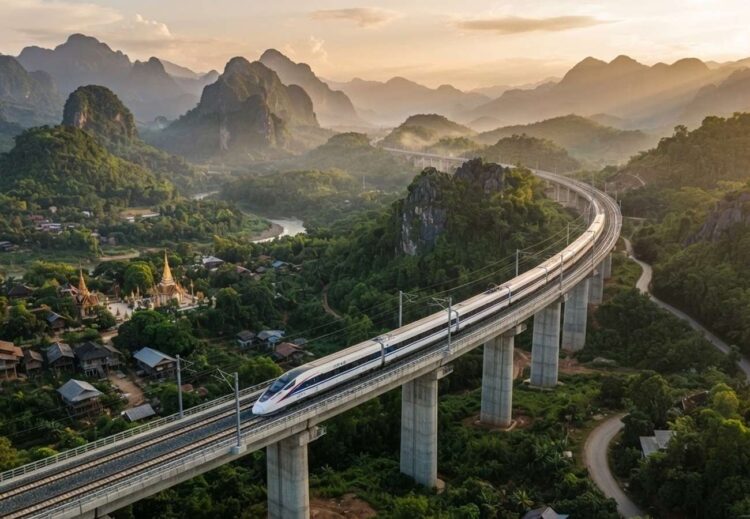
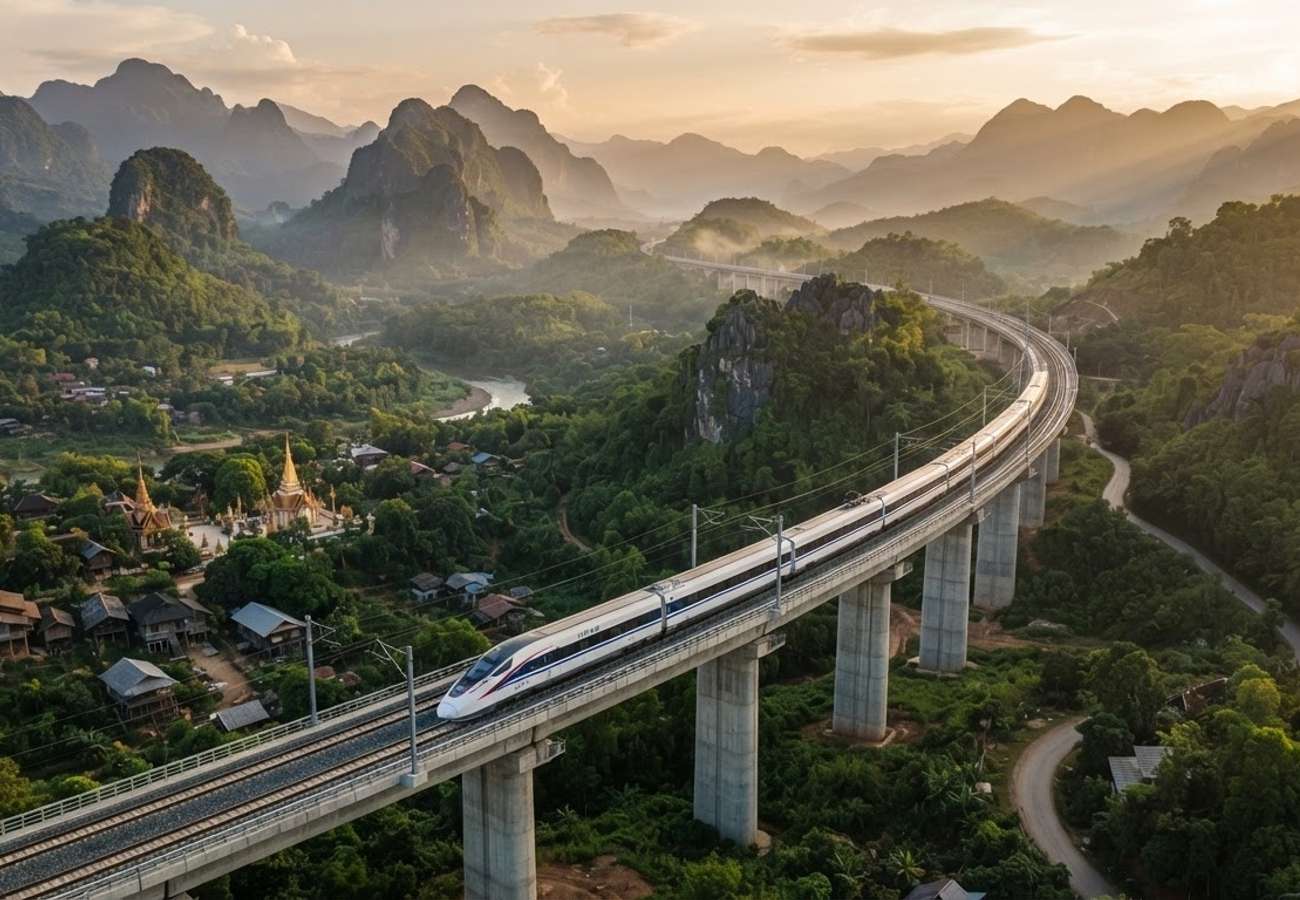
Laos-China Railway Transforms Vientiane to Luang Prabang...
THE NEWS: The Boten–Vientiane section of the Laos–China Railway, operational since December 2021, has reduced the former multi‑hour road journey between Vientiane and the UNESCO‑listed city of Luang Prabang to a streamlined high‑speed rail trip.
DETAILS:
The railway provides a continuous standard‑gauge link from Vientiane through Luang Prabang to the Chinese border at Boten and onward to Kunming, China.
It facilitates critical education on Laos’s unexploded ordnance (UXO) legacy by giving easier access for training programmes.
The line replaces arduous overland travel with high‑speed efficiency, reshaping logistics in northern Laos.
WHY IT MATTERS: By cutting travel time and improving safety education, the railway is expected to boost tourist flows to northern Laos, support local economies, and advance de‑mining awareness, making the region more attractive to both visitors and development partners.
FAQ
When did the Boten–Vientiane section of the Laos–China Railway begin operations?
The Boten–Vientiane segment opened in December 2021, establishing the first continuous standard‑gauge rail connection between Laos’s capital and its northern border, and marking a shift from multi‑hour road travel to high‑speed rail service.
Which UNESCO‑listed city is now directly linked to Vientiane by the railway?
Luang Prabang, a UNESCO World Heritage city, is now directly connected to Vientiane via the Laos–China Railway, enabling faster visitor movement between the capital and the historic northern destination.
How has the railway changed travel in northern Laos?
The railway has eliminated the lengthy, grueling road trip that once linked Vientiane and Luang Prabang, offering a high‑speed rail alternative that not only speeds up travel but also supports critical UXO‑related education programmes across the region.
Read Original Article.
Experience the magic of the Nile aboard Kenzy Dahabeya, a luxury boutique sailing cruise that offers an unforgettable journey between...
Read moreDetails



