






Sail Through Time: Discover the Timeless Wonders of Upper Egypt Aboard Kenzy Dahabeya
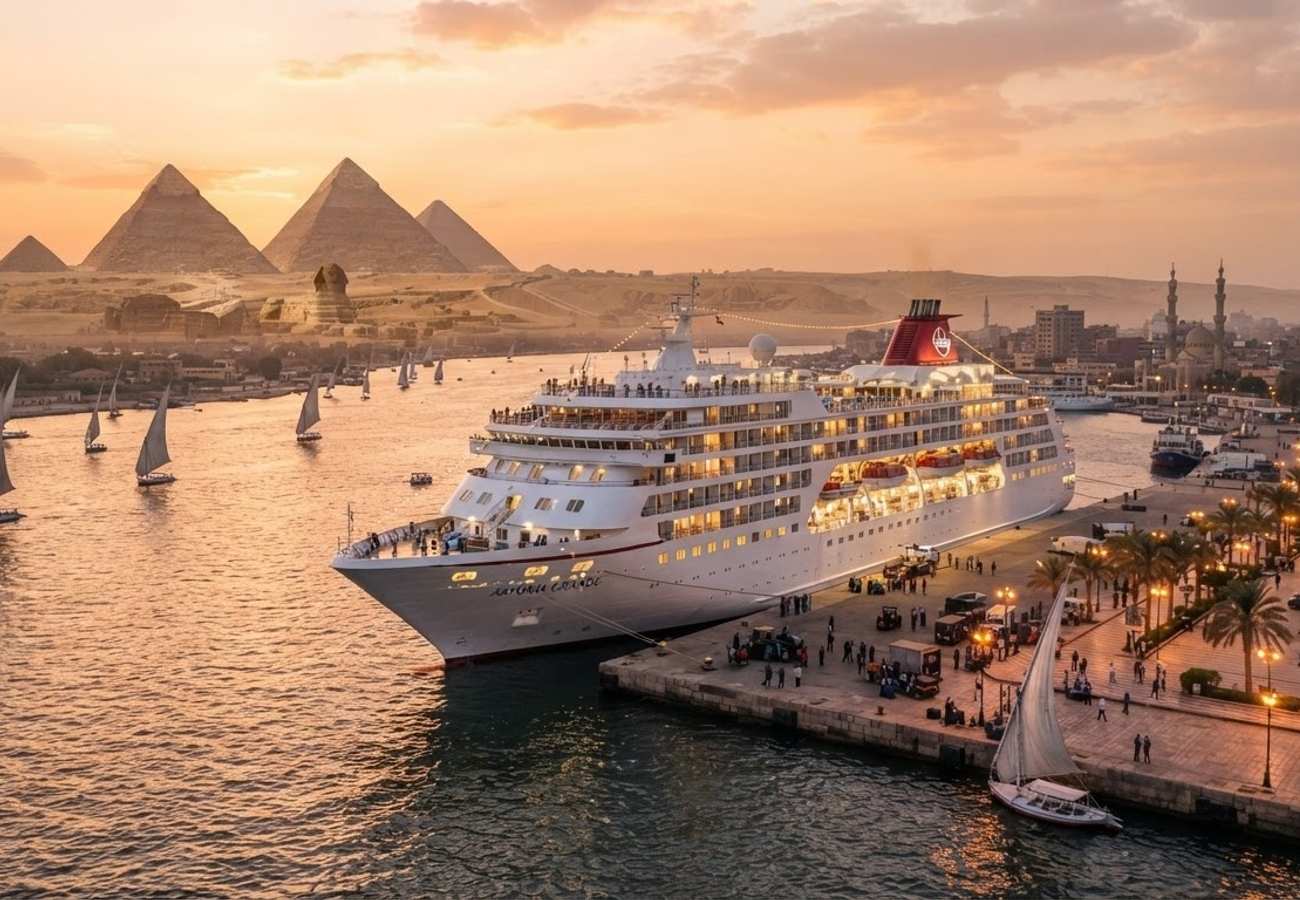
Experience the magic of the Nile aboard Kenzy Dahabeya, a luxury boutique sailing cruise that offers an unforgettable journey between...
Read moreDetails
Laos pushes for ASEAN ecotourism development
Article Summary:
On November 26, 2025, Laos took a significant step in advancing the ASEAN Ecotourism Standard, hosting a program in Vientiane from November 20-22. The event brought together 25 participants who completed an online introductory module and a field-based assessment. The session focused on reviewing and reinforcing assessment procedures under the ASEAN Ecotourism Standard, with practical exercises in onsite evaluation, document inspection, and scoring methods across key components such as tourism activities, services, and facilities. Laos, as the lead country coordinator, has been actively working with the Asia Ecotourism to enhance sustainable, high-quality, and responsible tourism towards ASEAN’s long-term vision for 2045.
Key Points:
Actionable Takeaways:
Contextual Insights:
The article reflects a broader trend in the travel industry towards sustainability and responsible tourism, driven by increasing consumer awareness and regulatory pressures. The ASEAN Ecotourism Standard serves as a concrete example of regional collaboration aimed at setting high standards for sustainable tourism. This aligns with the latest travel trends, where travelers are increasingly seeking authentic, eco-friendly experiences. Thought leaders emphasize that such standards not only help in preserving natural and cultural resources but also enhance the overall travel experience by offering unique, high-quality experiences that resonate with the values of modern travelers. As the travel industry continues to evolve, innovations in assessment methods and a strong commitment to sustainability will likely become key differentiators for tourism operators, particularly in emerging markets like Laos.
Read the Complete Article.
Experience the magic of the Nile aboard Kenzy Dahabeya, a luxury boutique sailing cruise that offers an unforgettable journey between...
Read moreDetails



